Bloom & Song is Hong Kong’s finest florist.
We’re committed to curating the best blooms for exceptional special occasions.
Bloom & Song 是香港最好的花店。
我們致力於為特殊的特殊場合策劃最好的花朵。
Seasonal flower bouquets
Discover our latest floral collection available for flower delivery to Hong Kong Island, Kowloon and New Territories. We offer free same day delivery for all flower orders.
了解我們最新的花卉系列,可將鮮花遞送到香港島、九龍和新界。我們為所有鮮花訂單提供免費當天送貨服務。


FAQs
What flowers should I order for a special occasion in Hong Kong?
It depends on the occasion and also the recipient's preferences. For a birthday celebration, vibrant and cheerful blooms like sunflowers or gerbera daisies can bring joy. A romantic gesture might call for luxurious red roses or elegant orchids. In a corporate setting, sophisticated arrangements with white lilies or classic mixed bouquets convey professionalism and respect. Each occasion requires thoughtful consideration of colors, shapes, and scents to ensure the floral gift resonates with its intended purpose. Try to ensure you flowers are ordered from a reputable florist that is part of the Hong Kong Florist Association: www.hk-florist.org/hk-florist-directory
Are there any social pitfalls to avoid when sending flowers in Hong Kong?
Certain flowers carry specific meanings in Chinese culture. For example, white flowers are traditionally associated with funerals and can convey condolences rather than celebration. It is best to opt for vibrant, cheerful flowers for celebratory occasions. The message accompanying the flowers should be suitable for the relationship you share with the recipient. Avoid overly sentimental or romantic notes if the relationship is purely professional or casual.
What are the main residential areas in Hong Kong?
Your flowers are likely to be delivered to upscale Hong Kong residential areas. This includes The Peak, Pok Fu Lam, Mid Levels, Repulse Bay, Stanley and Happy Valley on Hong Kong Island. There are also affluent areas in Kowloon such as Tsim Sha Tsui and Kowloon Tong, as well as in the New Territories such as Sai Kung where houses are larger.
Where can I get same day flower delivery?
Yes! If you place a flower order with Bloom & Song before our 1pm cut off time, we can offer same day flower delivery across Hong Kong.
What is the best way to care for flowers after they arrive?
Keep your flowers in a cool area away from direct sunlight. Remember to change the water daily, and every couple of days trim the stems at an angle to help fresh water reach the flowers. Remove any wilting petal and stems.
Signature Florist's Choice Flower Bouquet
Signature Florist's Choice Flower Bouquet

Our most popular flower bouquet with our customers is our masterfully crafted Signature Florist’s Choice. Featuring the most seasonal selection of flower varieties and the freshest and high grade blooms.
Anniversary flowers
Whether it’s your first, or your 50th, anniversaries deserve to be celebrate with the most beautiful flowers. Our florists make every anniversary in Hong Kong one to remember.


A Florist’s Guide to Flowers That Represent the Coming of Summer

The Pastel Rhubarb bouquet is an exquisite arrangement that captures the delicate beauty of spring. Featuring a harmonious blend of soft pinks and purples, gentle greens, and subtle creams, this bouquet is designed to evoke a sense of serenity and joy.
Choose delivery date and timeslot, and add a personal message card, on the checkout page.
The bouquet in the photograph is Large size.
Please note that flowers may differ depending on the freshest and most seasonal flowers available to our florists on the day, but will always be of similar colour and quality.
Bouquet sizing:
Nano - approx 20cm in diameter
Small - approx 30cm in diameter
Regular - approx 35cm in diameter
Large - approx 40cm in diameter
Deluxe - approx 50cm in diameter
Summer is a season of warmth, brightness, and vibrant blooms that symbolize energy, joy, and abundance. As a florist, incorporating these flowers into your arrangements can capture the essence of summer's arrival. Here's a Bloom & Song Flower Shop guide to the best flowers that represent the coming of summer, their meanings, and design tips.
1. Sunflowers (Helianthus)
Symbolism: Adoration, loyalty, and positivity.
Colors: Bright yellow with dark brown or black centers.
Tips: Sunflowers are quintessential summer blooms. Use them as the focal point in large bouquets or rustic arrangements. Pair with daisies or greenery for a cheerful, countryside feel.
2. Dahlias
Symbolism: Elegance, strength, and creativity.
Colors: A wide variety, including red, pink, yellow, white, and orange.
Tips: Dahlias are ideal for bold summer arrangements. Their intricate, layered petals make them a show-stopper. Combine with peonies or roses for an opulent, garden-inspired look.
3. Hibiscus
Symbolism: Delicate beauty and tropical vibes.
Colors: Vibrant shades of red, pink, orange, yellow, and white.
Tips: Perfect for creating tropical-themed displays. Use hibiscus flowers with monstera leaves or palm fronds for a summery, exotic arrangement.
4. Marigolds
Symbolism: Passion, creativity, and warmth.
Colors: Golden yellow, orange, and red.
Tips: Marigolds add a burst of color and texture to summer bouquets. Use them in festive arrangements or pair with blue delphiniums for a striking contrast.
5. Lavender
Symbolism: Serenity, purity, and relaxation.
Colors: Soft purple, lavender, and blue tones.
Tips: Lavender brings fragrance and elegance to any arrangement. It’s perfect for rustic or countryside bouquets and pairs beautifully with sunflowers, chamomile, or eucalyptus.
6. Zinnias
Symbolism: Endurance and lasting friendship.
Colors: A rainbow of colors, including red, orange, yellow, pink, and purple.
Tips: Zinnias add vibrant pops of color to summer arrangements. Mix with cosmos or dahlias for a fun, playful bouquet.
7. Roses
Symbolism: Love, passion, and beauty.
Colors: From classic red to summery yellow, coral, and white.
Tips: For summer arrangements, use lighter or brighter rose shades. Pair with peonies, snapdragons, or daisies for a fresh, seasonal look.
8. Gladiolus
Symbolism: Strength, integrity, and remembrance.
Colors: Pink, red, yellow, white, orange, and purple.
Tips: Gladiolus’ tall, striking stems make them ideal for dramatic summer centerpieces. Use them in vertical arrangements to add height and elegance.
9. Hydrangeas
Symbolism: Gratitude, grace, and abundance.
Colors: White, pink, blue, lavender, and green.
Tips: Hydrangeas are versatile and lush, making them perfect for summer weddings and events. Pair with roses or peonies for a romantic vibe, or use them solo in a large, overflowing bouquet.
10. Daisies
Symbolism: Innocence, purity, and cheerfulness.
Colors: Classic white with a yellow center, but also available in pastel and bright hues.
Tips: Daisies bring a lighthearted touch to summer arrangements. Combine with wildflowers or sunflowers for a sunny, carefree bouquet.
11. Tropical Flowers (Birds of Paradise, Anthuriums, and Orchids)
Symbolism: Exotic beauty, adventure, and luxury.
Colors: Bold oranges, reds, purples, and greens.
Tips: These flowers create striking summer arrangements with a tropical vibe. Pair with large tropical leaves like monstera or banana leaves for added drama.
12. Snapdragons
Symbolism: Grace and strength.
Colors: A wide variety, including pink, white, red, yellow, and purple.
Tips: Snapdragons are ideal for adding height and texture to arrangements. Use them alongside roses or zinnias to create layered, dimensional bouquets.
Care Tips for Summer Flowers
Watering: Summer flowers can dehydrate quickly. Keep arrangements well-watered and trim stems diagonally to encourage water absorption.
Temperature: Avoid placing flowers in direct sunlight or near heat sources to prevent wilting.
Rehydration: Use floral preservative to maintain freshness, and change water every two days.
Humidity: Tropical flowers thrive in humid conditions. Mist them lightly to mimic their natural environment.
By incorporating these summer blooms into your arrangements, you can create vibrant, joyful displays that embody the warmth and beauty of the season. Embrace the colors, textures, and fragrances of summer to bring energy and happiness to your floral designs.
春天象徵性花卉指南
Brighten any occasion with the Lemon Drizzle Bouquet, a refreshing arrangement that embodies the vibrancy of fragrant fields. This stunning composition features an exquisite mix of sunny yellow and delicate whites, all artfully arranged to evoke the essence of a sun-kissed day.
Choose delivery date and timeslot, and add a personal message card, on the checkout page.
The bouquet in the photograph is Large size.
Please note that flowers may differ depending on the freshest and most seasonal flowers available to our florists on the day, but will always be of similar colour and quality.
Bouquet sizing:
Nano - approx 20cm in diameter
Small - approx 30cm in diameter
Regular - approx 35cm in diameter
Large - approx 40cm in diameter
Deluxe - approx 50cm in diameter
春天是一個象徵重生、成長與美麗的季節。對於花店來說,這個季節代表著以生機勃勃的花卉作品來迎接新氣象的最佳時機。以下是春天最具代表性的花卉介紹,包括其象徵意義和搭配技巧,幫助您打造完美的春季花藝作品。
1. 水仙花(Narcissus)
象徵意義:重生、新的開始與快樂。
顏色:亮黃色、白色與橙色。
搭配技巧:水仙花非常適合單獨成束或混合在其他春花中使用,搭配綠葉能更凸顯其明亮色彩。需要注意的是,水仙花的莖部會分泌汁液,可能影響其他花卉,建議先單獨放置於水中。
2. 鬱金香(Tulip)
象徵意義:愛、豐饒與完美的美麗。
顏色:幾乎涵蓋所有顏色,包括粉色、紫色、黃色與紅色。
搭配技巧:鬱金香適合作為春天花束的中心點。其簡潔的線條和鮮艷的顏色使其用途多樣,可與風信子或小蒼蘭搭配,增加芳香。
3. 番紅花(Crocus)
象徵意義:年輕的快樂與喜悅。
顏色:紫色、黃色、白色與條紋款式。
搭配技巧:番紅花細小而精緻,適合用於緊湊型花束或作為大型花藝的點綴。將其置於帶有苔蘚的淺盤中,能營造自然的森林氛圍。
4. 櫻花(Sakura)
象徵意義:更新與生命短暫的美麗。
顏色:柔粉色至白色。
搭配技巧:櫻花增添了優雅和輕盈感。可將其插於高花瓶中,展現枝條的柔美線條,並與簡約風格的裝飾相得益彰。
5. 風信子(Hyacinth)
象徵意義:恆久與真誠。
顏色:淡紫色、粉色、藍色、白色與黃色。
搭配技巧:風信子的密集芳香花序使其成為焦點花材,與鬱金香或水仙花搭配,形成充滿春天氣息的色彩組合。
6. 報春花(Primula)
象徵意義:青春與永恆的愛。
顏色:多種色調,包括白色、黃色、粉色與紫色。
搭配技巧:報春花適合用於盆栽設計或與苔蘚搭配製作花環,其精緻的外形為任何春季佈置增添魅力。
7. 連翹(Forsythia)
象徵意義:期待與希望。
顏色:鮮黃色。
搭配技巧:連翹枝條是創作高挑花藝的理想選擇,其鮮明色彩為室內帶來陽光般的感覺,搭配柳條更顯層次感。
8. 銀蓮花(Anemone)
象徵意義:守護與期待。
顏色:白色、紅色、紫色、粉色與藍色。
搭配技巧:銀蓮花為花束增添一絲俏皮感,與花毛茛及綠葉混搭,營造浪漫氣氛。
9. 三色堇(Pansy)
象徵意義:思念與回憶。
顏色:紫色、黃色、白色及多色變化。
搭配技巧:三色堇適合用於小型盆栽設計,也可作為大型花藝的亮點,增添歡樂的色彩。
10. 小蒼蘭(Freesia)
象徵意義:純真與友誼。
顏色:白色、黃色、粉色、橙色與紅色。
搭配技巧:小蒼蘭的芳香使其成為春季婚禮與禮物花束的首選,與柔和色調的玫瑰或洋桔梗搭配,呈現柔美感。
春季花卉的保養技巧
補水:春季花卉較為嬌嫩,需頻繁補水。插花前斜切花莖,增加吸水面積。
溫度:避免將花卉放置於陽光直射或靠近熱源處。
延長壽命:使用花卉保鮮劑,並每兩天更換一次清水。
透過這些充滿春天氣息的花卉,您的作品將帶來無窮的喜悅與生命力。讓我們用這些美麗的花朵迎接春天的到來。
A Florist’s Guide to Flowers That Represent the Coming of Spring

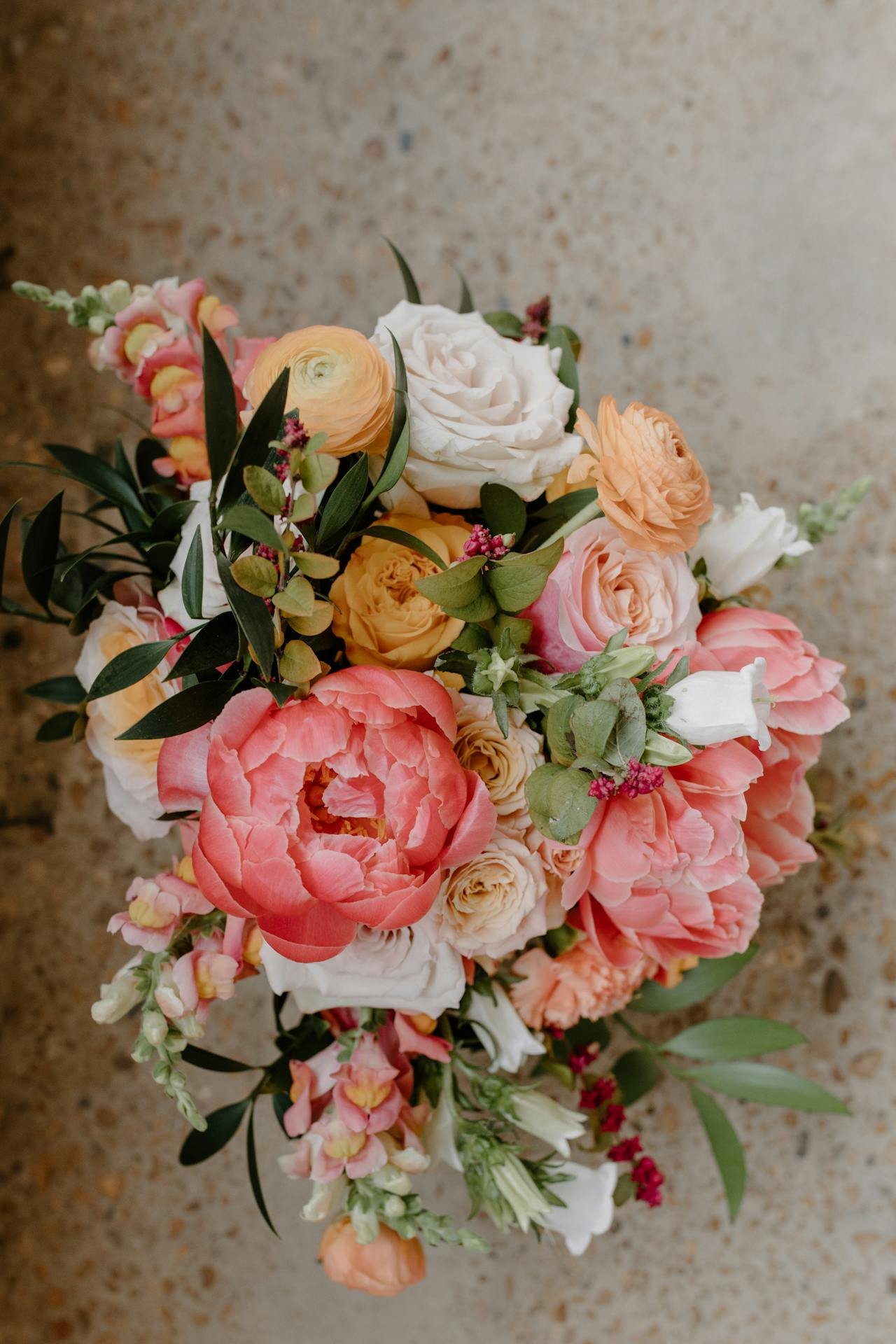
Indulge in the sweet allure of our Raspberry Butterscotch, a luxurious arrangement that captures the essence of summer delight. Composed of vibrant raspberry-hued roses and delicate orange-peach blossoms, this bouquet is complemented by soft cream accents and lush greenery, creating a stunning visual feast.
Choose delivery date and timeslot, and add a personal message card, on the checkout page.
The bouquet in the photograph is Large size.
Please note that flowers may differ depending on the freshest and most seasonal flowers available to our florists on the day, but will always be of similar colour and quality.
Bouquet sizing:
Nano - approx 20cm in diameter
Small - approx 30cm in diameter
Regular - approx 35cm in diameter
Large - approx 40cm in diameter
Deluxe - approx 50cm in diameter
Spring is a time of renewal, growth, and beauty. Florists often mark the season with vibrant arrangements that capture the essence of spring. Below is a Bloom & Song Florist guide to the flowers that best symbolize this season, their meanings, and tips for showcasing them in your floral creations.
1. Daffodils (Narcissus)
Symbolism: Rebirth, new beginnings, and happiness.
Colors: Bright yellow, white, and orange.
Tips: Daffodils work beautifully in both simple bouquets and mixed arrangements. Pair them with green foliage to highlight their sunny hues. Remember to keep them in their own vase initially, as their stems can release sap that affects other flowers.
2. Tulips
Symbolism: Love, abundance, and perfect beauty.
Colors: Available in nearly every shade, including pastel pinks, purples, yellows, and reds.
Tips: Use tulips as a centerpiece for spring arrangements. Their clean lines and vibrant colors make them versatile. Combine with hyacinths or freesias for a fragrant spring bouquet.
3. Crocuses
Symbolism: Youthful joy and cheerfulness.
Colors: Purple, yellow, white, and striped varieties.
Tips: Crocuses are small and delicate, making them perfect for compact arrangements or as accents in larger displays. Place them in shallow dishes with moss for a natural, woodland-inspired look.
4. Cherry Blossoms (Sakura)
Symbolism: Renewal and the fleeting nature of life.
Colors: Soft pink to white.
Tips: Cherry blossoms add an elegant and airy touch to arrangements. Use them in tall vases to highlight their graceful branches. They pair beautifully with minimalist decor.
5. Hyacinths
Symbolism: Constancy and sincerity.
Colors: Lavender, pink, blue, white, and yellow.
Tips: Their dense, fragrant clusters make hyacinths a standout choice. Pair with tulips or daffodils for a cheerful spring palette.
6. Primroses (Primula)
Symbolism: Youth and everlasting love.
Colors: A variety of hues, including white, yellow, pink, and purple.
Tips: Use primroses for potted arrangements or tucked into mossy wreaths. Their delicate appearance makes them a charming addition to any spring display.
7. Forsythia
Symbolism: Anticipation and hope.
Colors: Bright yellow.
Tips: Forsythia branches are ideal for creating dramatic, tall arrangements. Their vivid color brings a sense of sunshine indoors. Pair with pussy willows for contrast.
8. Anemones
Symbolism: Protection and anticipation.
Colors: White, red, purple, pink, and blue.
Tips: Anemones bring a touch of whimsy to spring bouquets. Mix them with ranunculus and greenery for a romantic feel.
9. Pansies
Symbolism: Thoughtfulness and remembrance.
Colors: Purple, yellow, white, and bi-colored varieties.
Tips: Pansies are ideal for small potted arrangements or as a playful addition to larger displays. Use them to add vibrant, cheerful notes to your spring collection.
10. Freesias
Symbolism: Innocence and friendship.
Colors: White, yellow, pink, orange, and red.
Tips: Their sweet fragrance makes freesias a favorite for spring weddings and gifts. Combine them with pastel flowers like roses or lisianthus for a soft, romantic arrangement.
Care Tips for Spring Flowers
Hydration: Spring flowers tend to be delicate and may require frequent watering. Always trim stems at an angle before arranging.
Temperature: Keep arrangements out of direct sunlight and away from heat sources.
Longevity: Use floral preservative to extend the life of your arrangements and refresh the water every two days.
With these beautiful blooms, your floral creations can capture the joy and vibrancy of spring, bringing smiles and a sense of renewal to everyone who receives them.
Shape-Shifting Flowers: The Science of Floral Morphology
Flowers are nature's masterpieces, exhibiting a dizzying array of shapes, sizes, and structures. Among the most intriguing are shape-shifting flowers—plants with the ability to change their floral morphology over time or in response to external stimuli. These transformations are not merely aesthetic; they serve vital ecological and evolutionary purposes, aiding in reproduction, attracting pollinators, and adapting to environmental challenges.
This guide explores the fascinating world of shape-shifting flowers, the science behind their transformations, and their significance in the plant kingdom.
What Are Shape-Shifting Flowers?
Shape-shifting flowers are plants that undergo changes in their floral structure or morphology. These changes may occur over time, during the flower’s lifecycle, or in response to specific environmental triggers. These morphological shifts are often adaptations to maximize reproductive success and ensure survival in diverse ecosystems.
Why Do Flowers Change Shape?
The ability to change shape is a remarkable adaptation that serves several critical functions:
Maximizing Pollination Efficiency:
Flowers may alter their structure to facilitate better access for pollinators or to prevent self-pollination.Adapting to Environmental Conditions:
Shape changes help flowers adapt to weather, temperature, or resource availability.Deterring Unwanted Visitors:
Some flowers shift their shape to make themselves less accessible to non-beneficial visitors, like nectar thieves.Signaling to Pollinators:
Morphological changes may act as visual or tactile cues, guiding pollinators toward the most rewarding flowers.
Types of Shape-Shifting in Flowers
1. Growth-Related Shape Shifting
What It Is: Changes that occur as flowers mature.
Example: Flowers of Magnolia species open gradually, exposing their reproductive structures over time to synchronize with pollinator activity.
2. Functional Shape Shifting
What It Is: Morphological changes based on reproductive phases.
Example: Chasmogamous flowers (flowers that open for pollination) may shift to cleistogamous flowers (self-pollinating, closed flowers) in adverse conditions.
3. Pollination-Driven Shape Shifting
What It Is: Flowers physically adjust after being visited by a pollinator to optimize pollen transfer.
Example: Snapdragons (Antirrhinum spp.) have a hinged petal structure that opens when a pollinator lands and closes afterward to prevent pollen theft.
4. Environmental Triggered Shape Shifting
What It Is: Changes in response to environmental stimuli such as temperature, light, or humidity.
Example: Tulips and morning glories open and close their petals depending on temperature and light levels.
Examples of Shape-Shifting Flowers
1. Tropical Pitcher Plant (Nepenthes spp.)
Shape Change: Young pitchers are narrow to catch small insects, but as they mature, they expand to trap larger prey.
Purpose: Adaptation to changing nutrient needs.
2. Hibiscus
Shape Change: The stigma (female reproductive structure) bends to touch its own anthers (male structures) if no pollinators visit.
Purpose: Ensures self-pollination if cross-pollination fails.
3. Passionflower (Passiflora spp.)
Shape Change: The floral structures shift position to present pollen to different parts of a pollinator’s body, increasing cross-pollination success.
Purpose: Maximizes pollen transfer.
4. Lady's Slipper Orchids (Cypripedium spp.)
Shape Change: The slipper-like pouch traps insects temporarily, forcing them to brush against pollen as they escape.
Purpose: Ensures effective pollination.
5. Catasetum Orchids
Shape Change: Male flowers eject pollen onto visiting bees, and female flowers mimic a different structure to attract the same pollinators.
Purpose: Specialized adaptation to ensure pollination success.
The Science Behind Shape-Shifting
Shape-shifting in flowers is often governed by a combination of genetic, hormonal, and environmental factors:
Plant Hormones:
Hormones like auxins, cytokinins, and ethylene regulate growth and developmental changes in flowers. For example, ethylene often triggers petal opening or wilting.
Environmental Cues:
Light, temperature, and humidity can influence floral morphology. Many plants use photoperiodism (response to light cycles) to determine when to bloom or close.
Genetic Programming:
Flowering genes like APETALA and AGAMOUS control the development and arrangement of floral organs, enabling dynamic changes.
Mechanical Responses:
Some shape shifts result from physical triggers, such as a pollinator’s weight activating floral hinges or traps.
Benefits of Shape-Shifting Flowers
1. Enhanced Reproductive Success
Morphological changes optimize the chances of pollination by adapting to the behavior of pollinators.
2. Resilience in Harsh Environments
Flowers can adjust their morphology to self-pollinate or conserve energy under unfavorable conditions.
3. Targeted Pollinator Attraction
Shape changes help flowers attract specific pollinators, ensuring effective pollen transfer.
4. Reduced Resource Wastage
By shifting their shape after pollination, flowers can discourage unnecessary visits, conserving energy.
Challenges Faced by Shape-Shifting Flowers
Pollinator Dependency:
Many shape-shifting flowers rely on specific pollinators, making them vulnerable to pollinator decline.Environmental Sensitivity:
Climate change and habitat destruction can disrupt the environmental triggers necessary for shape-shifting behaviors.Energy Costs:
Morphological changes require energy, which may strain the plant under resource-poor conditions.
How to Cultivate Shape-Shifting Flowers
To enjoy these fascinating flowers in your garden, follow these tips:
Research Species:
Choose plants that thrive in your climate and soil type.Provide Pollinator Habitats:
Shape-shifting flowers often depend on specific pollinators, so encourage their presence by planting diverse, nectar-rich plants.Monitor Environmental Conditions:
Ensure adequate light, water, and temperature for the chosen species to trigger their unique shape-shifting behaviors.
Shape-shifting flowers are marvels of evolution, demonstrating the adaptability and ingenuity of plants in their quest for survival and reproduction. By changing their form in response to growth stages, environmental cues, or pollinator behavior, these flowers showcase the intricate relationships between plants and their ecosystems. Whether you’re a gardener, a botanist, or simply a nature enthusiast, exploring the science of floral morphology opens a window into the extraordinary complexity of the natural world.
A Beginner’s Guide to Drawing Flowers
Drawing flowers can be both relaxing and creatively fulfilling. Whether you're sketching casually or aiming for botanical precision, this guide will help you understand the basics of drawing flowers step by step.
Materials Needed
Paper: Sketchpad, notebook, or loose sheets.
Pencils: A range of pencils (e.g., HB for outlines, 2B for shading, and 4B for deep shadows).
Eraser: A soft eraser for adjustments.
Optional Tools:
Colored pencils, markers, or watercolor paints for color.
A ruler or compass for geometric elements like symmetry.
Fineliners for clean outlines.
Step 1: Observation
Before starting, take some time to observe flowers. Look at the petals, stems, leaves, and how they connect. Notice:
Shape (round, oval, pointed petals)
Texture (smooth, veined, or crinkled)
Layers (overlapping petals)
Symmetry (radial symmetry is common in flowers)
You can use real flowers, photos, or online references as inspiration.
Step 2: Basic Shapes
Every flower can be broken into simple shapes. For example:
Circle: Often used for the flower’s center.
Ovals/Teardrops: Represent petals.
Lines: Form stems and veins.
Step 3: Sketching the Flower
1. Outline the General Shape
Start with a light circle for the center of the flower.
Add a second circle (or more) to define the boundaries where the petals will end.
2. Add Petals
Draw ovals or teardrop shapes radiating outward from the center.
Overlap petals for a natural look.
Vary the size and placement to make it realistic.
3. Draw the Stem and Leaves
Extend straight or slightly curved lines downward for the stem.
Add leaves on either side. Leaves can have pointed, round, or lobed edges, depending on the flower.
Step 4: Adding Details
Petal Texture: Use light, curved lines to indicate veins or folds.
Leaves: Add central and side veins.
Shadows: Use gentle shading to indicate depth. Darken the base of petals, undersides of leaves, and areas hidden by overlapping petals.
Step 5: Refining the Drawing
Go over the outline with a darker pencil or pen to finalize it.
Erase unnecessary guidelines for a clean look.
Add intricate details like pollen in the flower center or small serrations on leaves.
Step 6: Adding Color (Optional)
Use colored pencils, markers, or watercolors to enhance your flower drawing.
Blend different shades for realistic effects (e.g., darker hues at petal bases).
Use a light touch to layer colors gradually.
Examples of Common Flowers to Practice
1. Rose
Start with a spiral in the center for the rosebud.
Gradually draw rounded petals around the spiral, expanding outward.
2. Sunflower
Begin with a large circle for the center.
Add long, thin, pointed petals around the circle.
Draw small dots in the center to mimic seeds.
3. Tulip
Sketch an oval for the flower head.
Add overlapping teardrop-shaped petals at the top.
Extend a smooth stem downward.
4. Daisy
Draw a small circle for the center.
Surround it with long, narrow petals of equal size.
Tips for Success
Start Simple: Focus on one type of flower at a time.
Practice Symmetry: Many flowers are naturally symmetrical, so aim for balance.
Experiment with Angles: Draw flowers from various perspectives (side view, top view, etc.).
Be Patient: Nature’s designs are intricate. Take your time to capture the details.
Advanced Ideas
Botanical Illustrations: Use precise lines and shading for scientific-style drawings.
Abstract Flowers: Play with shapes and colors for creative expression.
Composition: Combine multiple flowers into a bouquet or garden scene.
With practice and patience, you'll see improvement in your flower drawings. Remember, each attempt teaches you something new.
Flowers That Mimic Insects to Attract Mates
Nature is full of clever strategies for survival and reproduction, and some of the most fascinating examples can be found in the world of flowers. Certain plants have evolved to mimic insects—be it in appearance, behavior, or chemical signals—to attract pollinators and ensure their species' survival. This process, called sexual deception, highlights the remarkable adaptability of plants.
This guide delves into the world of flowers that mimic insects, explaining their strategies, examples, and ecological significance.
What Are Insect-Mimicking Flowers?
Insect-mimicking flowers are plants that trick insects into interacting with them by resembling the insects themselves in shape, color, or scent. These adaptations are often so convincing that pollinators perceive the flowers as potential mates or rivals. As the deceived insect investigates, it inadvertently pollinates the flower.
This mimicry serves as an ingenious alternative to offering nectar or other rewards, saving the plant energy while ensuring reproductive success.
How Do These Flowers Mimic Insects?
1. Visual Mimicry
Flowers develop shapes, colors, and patterns that resemble specific insects, such as bees, wasps, or beetles.
Certain orchids mimic the glossy appearance of insect abdomens or the texture of insect wings.
2. Scent Mimicry
Some flowers release pheromone-like chemicals that mimic the sexual scents of female insects. These scents lure male insects seeking a mate.
3. Behavioral Mimicry
Flowers may include tactile features, such as soft, hair-like structures, to imitate the sensation of another insect.
Why Do Flowers Mimic Insects?
Pollination Without Rewards:
By mimicking an insect, the flower doesn’t need to expend resources on nectar production. The insect is tricked into pollinating the flower without receiving any reward.Targeted Pollination:
Mimicry ensures that only specific insects are attracted, leading to more precise and effective pollination.Reproductive Success:
Mimicry allows plants to thrive even in environments where traditional pollinators are scarce.
Examples of Flowers That Mimic Insects
1. Bee Orchid (Ophrys apifera)
Appearance: The flower’s labellum (lip) looks strikingly like a female bee, complete with patterns and textures resembling an abdomen.
Scent: Produces chemicals similar to the pheromones of female bees to lure males.
Pollination: Male bees attempt to mate with the flower (a behavior known as pseudocopulation) and end up transferring pollen.
2. Mirror Orchid (Ophrys speculum)
Appearance: The flower has a reflective, metallic-blue surface that mimics the abdomen of a female wasp.
Scent: Emits wasp-like pheromones.
Pollination: Male wasps are deceived into landing on the flower, facilitating pollination.
3. Fly Orchid (Ophrys insectifera)
Appearance: Resembles a female fly in shape and coloration.
Scent: Releases sex pheromones to attract male flies.
Pollination: Male flies land on the flower, attempting to mate and inadvertently spread pollen.
4. Drakaea (Hammer Orchid)
Appearance: Mimics the female thynnid wasp’s shape.
Scent: Emits pheromones identical to those of the female wasp.
Pollination: Male wasps are tricked into trying to carry the “female,” during which they pick up pollen.
5. Coryanthes (Bucket Orchids)
Appearance: Does not directly mimic an insect but creates a complex trap for male orchid bees.
Scent: Produces alluring fragrances that male bees collect to attract mates.
Pollination: The bees slip into a bucket-like structure, and as they escape, they inadvertently collect or deposit pollen.
How Does This Mimicry Benefit Plants?
1. Energy Efficiency
Flowers save energy by avoiding nectar production, relying solely on mimicry for pollination.
2. Selective Pollination
Mimicry attracts specific pollinators, increasing the likelihood of successful cross-pollination between flowers of the same species.
3. Ecological Niche Adaptation
In environments with few generalist pollinators, mimicry ensures the plant can reproduce effectively.
Challenges Faced by Mimicking Flowers
Dependency on Specific Insects:
These plants rely heavily on the availability of specific pollinators. If the insect population declines, the plant's survival is at risk.Energy Cost of Mimicry:
Producing realistic visual and chemical cues can still be resource-intensive for the plant.Lack of Rewards for Pollinators:
While effective, this strategy offers no benefit to the deceived insect, which may reduce its effectiveness over time if pollinators learn to avoid the flowers.
Ecological Significance of Mimicry in Flowers
1. Biodiversity
Mimicry adds to the incredible diversity of plant-pollinator interactions, showcasing the complexity of evolutionary adaptations.
2. Pollinator Behavior
Studying these plants helps scientists understand the behaviors and sensory systems of pollinators, such as how they perceive visual and chemical cues.
3. Conservation
Many insect-mimicking flowers are rare or endangered due to habitat loss. Conserving these plants is vital for maintaining ecological balance and biodiversity.
Creating a Garden to Attract Mimicking Flowers
Though challenging, creating a garden with insect-mimicking flowers can be an exciting project for plant enthusiasts:
Choose Native Species: Research which mimicking plants are native to your region and their pollinators.
Provide Host Insects: Ensure your garden supports the specific pollinators these flowers depend on, such as bees or wasps.
Create the Right Environment: Mimicking flowers often require specific soil, light, and temperature conditions to thrive.
Flowers that mimic insects demonstrate the incredible creativity of nature, evolving deceptive strategies to ensure their survival. These plants don’t just add beauty to the environment—they also serve as a testament to the complexity of plant-pollinator relationships. By studying and preserving these fascinating species, we can deepen our appreciation for the natural world and its interconnected systems. Whether you’re a gardener, a nature enthusiast, or a scientist, these mimicry marvels are sure to captivate your imagination.
感謝孩子老師的最佳送花指南
Brighten any occasion with the Lemon Drizzle Bouquet, a refreshing arrangement that embodies the vibrancy of fragrant fields. This stunning composition features an exquisite mix of sunny yellow and delicate whites, all artfully arranged to evoke the essence of a sun-kissed day.
Choose delivery date and timeslot, and add a personal message card, on the checkout page.
The bouquet in the photograph is Large size.
Please note that flowers may differ depending on the freshest and most seasonal flowers available to our florists on the day, but will always be of similar colour and quality.
Bouquet sizing:
Nano - approx 20cm in diameter
Small - approx 30cm in diameter
Regular - approx 35cm in diameter
Large - approx 40cm in diameter
Deluxe - approx 50cm in diameter
老師在孩子的成長中扮演了重要角色,送花是一種真誠表達感謝的方式。以下是挑選合適花束的指南,幫助您向老師表達「謝謝」。
1. 經典感謝之花
玫瑰(粉色或黃色):
粉色玫瑰象徵感激、欽佩和欣賞,黃色玫瑰則傳遞喜悅和友誼。選擇這些充滿暖意的花朵來表達您的感謝之情。鬱金香(混合顏色):
鬱金香象徵優雅與體貼。混合色彩的鬱金香花束明亮而令人振奮,定能讓人展露笑容。
2. 低維護花卉
老師的工作繁忙,選擇易於打理的花卉是體貼的表現。
康乃馨:
康乃馨的花期較長,顏色多樣。淡粉色康乃馨象徵感激,是絕佳選擇。向日葵:
這些明亮的花朵不僅易於打理,還象徵崇敬與溫暖。
3. 季節性花卉
選擇當季的花卉,既新鮮又易於購買。
春季: 水仙花、牡丹或風信子帶來煥然一新的感覺和積極的氛圍。
夏季: 非洲菊或百日菊以鮮豔的色彩傳遞愉悅。
秋季: 菊花和紫菀象徵尊重與樂觀。
冬季: 朱頂紅或一品紅散發優雅與溫馨。
4. 富有象徵意義的花卉
選擇具有特殊寓意的花束,讓禮物更加獨特。
百合: 白百合象徵純潔與奉獻,橙色百合代表自信與活力。
蘭花: 這些優雅的花朵象徵體貼與堅韌。
5. 用植物代替鮮花
如果希望禮物更具持久性,可以選擇盆栽植物。
多肉植物或仙人掌: 易於打理,時尚美觀,象徵堅韌與耐力。
和平百合: 簡單易養,象徵和平與感謝。
香草植物(如薰衣草或羅勒): 實用又芳香,非常適合喜歡園藝或烹飪的老師。
6. 包裝與搭配
花束包裝: 選擇環保的牛皮紙、彩色緞帶或可重複使用的包裝材料,展現您的用心。
附上一張手寫卡片: 與花束一起附上手寫卡片,具體說明您對老師的感激之情。
搭配小禮物: 可以搭配一盒巧克力、一張禮品卡或孩子親手製作的感謝卡。
7. 挑選花卉的貼心建議
瞭解老師的喜好: 如果知道老師喜歡的花種或顏色,可以特別加入其中。
避免過敏原: 如果老師或教室中可能有過敏問題,避免選擇香味濃烈的花,如百合。
大小適中: 老師可能空間有限,選擇中型花束最為合適。
送花是一種經典而溫暖的方式來表達對老師的感謝。透過挑選象徵感激、體貼與喜悅的花束,您的禮物一定能讓老師感到窩心與快樂!
A Guide to the Best Flowers to Gift Your Children's Teacher to Say Thank You
Elevate your floral experience with our Cappuccino Dreams Bouquet, a harmonious blend of cappuccino and cream flowers accented with delicate blue hues. This exquisite arrangement evokes walks around tranquil woodlands at first light among the crisp morning dew.
Choose delivery date and timeslot, and add a personal message card, on the checkout page.
The bouquet in the photograph is Large size.
Please note that flowers may differ depending on the freshest and most seasonal flowers available to our florists on the day, but will always be of similar colour and quality.
Bouquet sizing:
Nano - approx 20cm in diameter
Small - approx 30cm in diameter
Regular - approx 35cm in diameter
Large - approx 40cm in diameter
Deluxe - approx 50cm in diameter
Teachers play a vital role in shaping your child's future, and gifting flowers is a heartfelt way to show your appreciation. Here’s a Bloom & Song Florist guide to selecting the perfect bouquet for a thoughtful "thank you."
1. Classic Appreciation Flowers
Roses (Pink or Yellow):
Pink roses symbolize gratitude, admiration, and appreciation, while yellow roses convey joy and friendship. Opt for a bouquet of these cheerful blooms to express your heartfelt thanks.Tulips (Mixed Colors):
Tulips symbolize grace and thoughtfulness. A mix of vibrant tulips creates a bright and uplifting bouquet that is bound to bring a smile.
2. Low-Maintenance Flowers
Teachers are busy, so choosing flowers that are easy to care for is considerate.
Carnations:
Carnations last a long time and come in a variety of colors. Light pink carnations symbolize gratitude, making them a perfect choice.Sunflowers:
These bright, cheerful flowers are low-maintenance and symbolize adoration and warmth.
3. Seasonal Blooms
Select flowers that are in season for freshness and availability.
Spring: Daffodils, peonies, or hyacinths bring a sense of renewal and positivity.
Summer: Gerbera daisies or zinnias offer vibrant colors and cheerful vibes.
Fall: Chrysanthemums and asters symbolize respect and optimism.
Winter: Amaryllis or poinsettias provide elegance and warmth.
4. Flowers with Symbolic Meaning
Adding meaning to your bouquet can make your gift even more special.
Lilies: White lilies represent purity and dedication, while orange lilies symbolize confidence and energy.
Orchids: These elegant blooms symbolize thoughtfulness and strength.
5. Plants Instead of Cut Flowers
Consider gifting a potted plant for a lasting impression.
Succulents or Cacti: Low-maintenance, trendy, and symbolic of resilience and endurance.
Peace Lily: Easy to care for and represents peace and gratitude.
Herbs (like lavender or basil): Functional and fragrant, perfect for teachers who enjoy gardening or cooking.
6. Presentation Matters
Bouquet Wrapping: Choose eco-friendly kraft paper, colorful ribbons, or reusable wrapping materials for a thoughtful touch.
Add a Personal Note: Accompany the flowers with a handwritten note expressing specific gratitude for their impact on your child’s education.
Pair with Small Gifts: Consider pairing the flowers with a box of chocolates, a gift card, or a handwritten thank-you card from your child.
7. Tips for Choosing the Perfect Flowers
Know Their Preferences: If you know the teacher’s favorite flower or color, include it in the bouquet.
Avoid Allergens: Be cautious with highly fragrant flowers like lilies if the teacher or classroom may have allergy concerns.
Keep It Compact: Teachers often have limited space in their classrooms or homes, so a medium-sized arrangement is ideal.
Gifting flowers is a timeless and meaningful way to show your gratitude to a teacher. By selecting blooms that reflect appreciation, thoughtfulness, and joy, your gift will surely make their day.
Night-Blooming Flowers: Nature’s Moonlit Charmers
When the sun sets and the world quiets down, an enchanting transformation occurs in gardens and wild spaces. Night-blooming flowers, also known as "moonflowers," awaken, unfurling their delicate petals to bask in the glow of the moonlight. These mysterious blooms are not just beautiful; they play a critical role in supporting nocturnal pollinators and creating a magical nighttime atmosphere.
Here’s a flower shop guide to understanding and appreciating the wonders of night-blooming flowers.
What Are Night-Blooming Flowers?
Night-blooming flowers are plants that bloom primarily during the evening or nighttime hours. They often feature pale, luminous colors and strong, sweet fragrances designed to attract nocturnal pollinators like moths, bats, and even some night-flying bees. Their unique adaptations make them stand out from their day-blooming counterparts.
Characteristics of Night-Blooming Flowers
Color:
Typically white, pale yellow, or cream-colored to reflect moonlight and make them more visible in the dark.
Some species may have light pink or pastel hues.
Fragrance:
Intensely aromatic, especially at night, to attract pollinators from a distance.
Scents range from sweet and floral to musky or spicy.
Timing:
Flowers begin to open in the late afternoon or early evening, often staying open until dawn.
Pollination:
Reliant on nocturnal pollinators like moths (e.g., hawk moths), bats, and certain beetles.
Why Do Flowers Bloom at Night?
Night-blooming flowers have evolved this behavior for several ecological reasons:
Reduced Competition:
Blooming at night allows these flowers to avoid competition with day-blooming plants for pollinators.Attracting Nocturnal Pollinators:
Many moths and bats are active at night, and these flowers cater specifically to their needs with strong scents and light colors.Cooler Temperatures:
Blooming at night helps reduce water loss due to evaporation in arid or hot climates.
Popular Night-Blooming Flowers
Here are some of the most fascinating and beautiful night-blooming flowers to grow or admire:
1. Moonflower (Ipomoea alba)
Appearance: Large, white, trumpet-shaped blooms.
Fragrance: Sweet and intoxicating.
Pollinators: Moths.
Special Notes: A relative of the morning glory, the moonflower opens in the evening and lasts until dawn.
2. Evening Primrose (Oenothera biennis)
Appearance: Bright yellow flowers that open quickly as the sun sets.
Fragrance: Light, sweet scent.
Pollinators: Moths and night-flying bees.
Special Notes: Often found in wildflower meadows and prized for its medicinal oil.
3. Night-Blooming Jasmine (Cestrum nocturnum)
Appearance: Small, tubular greenish-white flowers.
Fragrance: Extremely strong and sweet, especially in the evening.
Pollinators: Moths.
Special Notes: Not a true jasmine but famous for its heady nighttime scent.
4. Tuberose (Polianthes tuberosa)
Appearance: Creamy white, star-shaped flowers on tall spikes.
Fragrance: Rich and luxurious, often used in perfumes.
Pollinators: Moths.
Special Notes: A favorite for moonlit gardens due to its elegant form and scent.
5. Queen of the Night (Epiphyllum oxypetalum)
Appearance: Large, exotic, white flowers resembling water lilies.
Fragrance: Sweet and fruity.
Pollinators: Moths and bats.
Special Notes: Blooms only for one night, making it a prized event for enthusiasts.
6. Brahma Kamal (Saussurea obvallata)
Appearance: Rare white blooms with layered petals.
Fragrance: Soft and divine.
Pollinators: Moths and beetles.
Special Notes: Sacred in Hinduism and native to the Himalayan region.
7. Angel’s Trumpet (Brugmansia spp.)
Appearance: Large, hanging, trumpet-shaped flowers in white, yellow, or pink.
Fragrance: Intensely sweet and musky.
Pollinators: Moths and bats.
Special Notes: All parts of the plant are toxic if ingested.
How to Grow and Care for Night-Blooming Flowers
Growing night-blooming flowers can transform your garden into a mystical, moonlit retreat. Here are some tips to ensure their success:
1. Choose the Right Location
Most night-blooming flowers prefer full sun during the day and open spaces where their scent can disperse freely at night.
2. Soil and Watering
Ensure well-draining soil to prevent root rot.
Water regularly, but avoid waterlogging. Many are drought-tolerant once established.
3. Temperature and Climate
Most thrive in warm, tropical, or subtropical climates.
In colder regions, consider growing them in containers so they can be moved indoors during winter.
4. Support Structures
Vining plants like moonflowers may need trellises or fences for support.
5. Fertilization
Use a balanced fertilizer during the growing season to encourage healthy blooms.
Creating a Night Garden
A night garden is a space designed to be enjoyed after dusk, featuring night-blooming flowers, reflective surfaces, and ambient lighting. Here’s how to design your own:
Select Night-Blooming Plants:
Combine different night bloomers to ensure variety in appearance and fragrance.Add Reflective Elements:
Include white gravel, light-colored paving, or mirrors to amplify the moonlight.Incorporate Lighting:
Use soft, warm lights like lanterns or fairy lights to highlight key plants.Attract Nocturnal Wildlife:
Plant flowers that support night pollinators and consider adding a water feature for bats.
Benefits of Night-Blooming Flowers
Support for Nocturnal Pollinators:
They provide essential nectar for species active at night, such as hawk moths and bats.Unique Beauty:
Their ethereal glow and captivating fragrance add an unparalleled charm to gardens.Stress Relief:
Spending time in a serene, moonlit garden can be incredibly calming.Low Competition:
Because they bloom at night, these flowers don’t compete for pollinators with daytime bloomers.
Night-blooming flowers are nature’s way of keeping the beauty and mystery of flowering plants alive after dark. Whether you’re looking to create a garden oasis or simply appreciate the wonders of the natural world, these moonlit charmers are sure to captivate your senses. So, plant a few night bloomers, sit back, and let their beauty and fragrance enchant you under the stars.
Creating a spring flower centerpiece
Indulge in the sweet allure of our Raspberry Butterscotch, a luxurious arrangement that captures the essence of summer delight. Composed of vibrant raspberry-hued roses and delicate orange-peach blossoms, this bouquet is complemented by soft cream accents and lush greenery, creating a stunning visual feast.
Choose delivery date and timeslot, and add a personal message card, on the checkout page.
The bouquet in the photograph is Large size.
Please note that flowers may differ depending on the freshest and most seasonal flowers available to our florists on the day, but will always be of similar colour and quality.
Bouquet sizing:
Nano - approx 20cm in diameter
Small - approx 30cm in diameter
Regular - approx 35cm in diameter
Large - approx 40cm in diameter
Deluxe - approx 50cm in diameter
Here’s a Bloom & Song Florist guide to selecting the best flowers for a stunning Spring centerpiece, ensuring vibrant colors, fresh scents, and a seasonal touch that captures the essence of renewal and growth.
1. Consider the Color Palette
Spring is all about light, bright, and cheerful tones. Opt for:
Pastels: Soft pinks, lilacs, light yellows, and baby blues.
Bold Pops: Vibrant tulips, magenta ranunculus, or sunny daffodils.
Green Accents: Use greenery to complement and balance the flowers.
2. Best Flowers for a Spring Centerpiece
A. Tulips
Varieties: Classic tulips, fringed tulips, and parrot tulips.
Colors: A wide spectrum from soft pastels to bold, fiery hues.
Pair With: Daffodils or ranunculus for a cheerful, textured arrangement.
Tips: Tulips tend to grow even after being cut, so trim them regularly to maintain the shape of your centerpiece.
B. Daffodils
Symbol of Spring: Their bright yellow color screams springtime.
Arrangement Ideas: Cluster daffodils together for impact or mix with white flowers like baby’s breath for contrast.
Tip: Keep daffodils separate from other flowers initially, as they release sap that can damage other blooms.
C. Ranunculus
Why They’re Ideal: Their layered, rose-like petals add elegance and fullness.
Colors: Shades of pink, red, orange, and white.
Pair With: Eucalyptus and anemones for a romantic centerpiece.
D. Peonies (Late Spring)
Luxurious and Fragrant: Large, fluffy blooms make them a showstopper.
Colors: Shades of blush, coral, deep pink, and white.
Pair With: Ranunculus or sweet peas for an airy, dreamy look.
E. Anemones
Striking and Modern: Their dark centers provide a dramatic focal point.
Colors: White, pink, purple, or red.
Arrangement Ideas: Use with greenery and smaller flowers for contrast.
F. Hyacinths
Fragrance Factor: Known for their sweet scent.
Colors: Purple, pink, white, and blue.
Tips: Use sparingly if you’re sensitive to strong scents.
G. Cherry Blossoms or Forsythia Branches
Height and Drama: Perfect for tall arrangements in larger spaces.
Colors: Pale pink (cherry blossoms) or bright yellow (forsythia).
Tips: Combine with shorter flowers for an eye-catching design.
3. Greenery and Filler Flowers
To make your centerpiece look natural and lush, include:
Eucalyptus: Silver Dollar or Seeded for a soft, cascading look.
Fern Leaves: Add texture and a wild touch.
Waxflowers or Baby’s Breath: Small filler flowers to soften the arrangement.
4. Tips for Arranging a Spring Centerpiece
Choose a Base: Select a vase, bowl, or basket that complements your theme.
Vary Heights: Use a mix of tall and short flowers to create dimension.
Group Colors: For visual harmony, group similar shades together rather than scattering them.
Add Water: Keep stems hydrated and change the water every 2–3 days.
Avoid Overcrowding: Give each bloom space to shine.
5. Creative Themes
Rustic Spring: Mason jars with wildflowers like daisies and lavender.
Modern Elegance: Monochromatic arrangements with peonies or ranunculus.
Garden Party: A mix of tulips, daffodils, and greenery in a woven basket.
送給母親生日的最佳花卉指南
The Pastel Rhubarb bouquet is an exquisite arrangement that captures the delicate beauty of spring. Featuring a harmonious blend of soft pinks and purples, gentle greens, and subtle creams, this bouquet is designed to evoke a sense of serenity and joy.
Choose delivery date and timeslot, and add a personal message card, on the checkout page.
The bouquet in the photograph is Large size.
Please note that flowers may differ depending on the freshest and most seasonal flowers available to our florists on the day, but will always be of similar colour and quality.
Bouquet sizing:
Nano - approx 20cm in diameter
Small - approx 30cm in diameter
Regular - approx 35cm in diameter
Large - approx 40cm in diameter
Deluxe - approx 50cm in diameter
生日是表達對母親感謝與愛意的特別日子,而花卉是一份經典且充滿心意的禮物。選擇合適的花卉,不僅能帶來喜悅,也能傳遞對母親的深深祝福。以下是一些適合母親生日的最佳花卉,以及它們的象徵意義與搭配建議。
1. 玫瑰花
象徵意義:玫瑰花優雅經典,象徵愛、欽佩與感激之情。
推薦顏色:
粉紅色:感激、敬佩與溫柔。
白色:純潔、尊敬與榮耀。
黃色:友誼與快樂。
橙粉色:溫暖與感恩。
搭配建議:使用柔和色調的玫瑰組成花束,並搭配綠葉增添高雅氣息。
2. 百合花
象徵意義:百合花高雅芬芳,象徵純潔、奉獻與母愛。
推薦品種:
星辰百合:象徵欽佩與繁榮。
馬蹄蓮:高貴與美麗。
亞洲百合:歡樂與喜悅。
搭配建議:將百合花與玫瑰或雛菊搭配,展現簡約優雅的風格。
3. 康乃馨
象徵意義:康乃馨是母親節及母愛的象徵,花期長且寓意深遠。
推薦顏色:
粉紅色:象徵母親無私的愛。
白色:純潔的愛與祝福。
紅色:深深的欽佩與熱愛。
搭配建議:搭配小花如滿天星或蠟花,讓花束更顯飽滿與精緻。
4. 牡丹
象徵意義:牡丹花大氣華麗,象徵愛情、幸福與繁榮。
推薦顏色:
粉紅色:浪漫與感激。
白色:高雅與清新。
搭配建議:牡丹花可單獨成束,也可以搭配繡球花或玫瑰,營造華麗氛圍。
5. 蘭花
象徵意義:蘭花高貴且具異國風情,象徵美麗、力量與優雅。
推薦顏色:
粉紅色:女性魅力與優雅。
紫色:欽佩與尊敬。
白色:純潔與優美。
搭配建議:蘭花適合作為單枝花禮,也可以選擇盆栽款,作為長久的紀念禮物。
6. 向日葵
象徵意義:向日葵明亮熱情,象徵快樂、仰慕與正能量。
搭配建議:搭配其他野花或鮮豔花朵,如雛菊,讓花束充滿陽光氣息。
7. 鬱金香
象徵意義:鬱金香簡約典雅,象徵愛與感激。
推薦顏色:
粉紅色:幸福與愛。
紅色:熱愛與敬愛。
黃色:快樂與希望。
搭配建議:單一色系的鬱金香花束簡潔大方,也可與其他花材混搭,增添層次感。
8. 非洲菊
象徵意義:非洲菊活潑鮮明,象徵歡樂與感恩之情。
推薦顏色:
橙色:熱情與活力。
黃色:愉悅與正能量。
粉紅色:溫柔與敬愛。
搭配建議:將非洲菊與綠葉搭配,營造輕鬆活潑的感覺。
9. 繡球花
象徵意義:繡球花代表感激、豐盈與深情厚意。
推薦顏色:
粉紅色:溫柔與感謝。
藍色:冷靜與理解。
白色:純潔與優雅。
搭配建議:繡球花適合作為花束主角,或與小型花材搭配,營造豐盈效果。
10. 混合花束
推薦理由:如果無法決定單一花卉,混合花束是最佳選擇。它能結合不同花卉的美感與花語,表達多重祝福。
建議搭配:
玫瑰(愛)+百合(奉獻)+康乃馨(敬佩)。
向日葵(快樂)+雛菊(純真)+鬱金香(感激)。
搭配建議:選擇互補色系的花卉,讓花束更具視覺美感與層次。
送母親生日花卉的小貼士
加入個人化元素:挑選母親喜歡的花卉或顏色,讓花束更具專屬感。
選擇長久保存的花禮:如果母親喜歡長久陪伴的禮物,可選擇盆栽蘭花或多肉植物。
附上一張卡片:在卡片中寫下感謝與祝福的話語,為花束增添溫馨感。
選當季花卉:當季花卉不僅新鮮,還更具經濟實惠性。
透過精心挑選的花束,為母親的生日增添色彩與祝福。希望這份指南能幫助你挑選出最適合母親的花卉,傳遞對她深深的愛與感謝!
The Best Flowers to Send a Mother for Her Birthday

A vibrant and enchanting floral arrangement that captures the essence of a sun-drenched afternoon. This exquisite bouquet is a celebration of rich purples and soft lilacs, harmoniously blended to create a striking visual feast. Its modern yet timeless design is carefully crafted to embody the beauty of nature, bringing a piece of the wilderness into your home.
Choose delivery date and timeslot, and add a personal message card, on the checkout page.
The bouquet in the photograph is Large size.
Please note that flowers may differ depending on the freshest and most seasonal flowers available to our florists on the day, but will always be of similar colour and quality.
Bouquet sizing:
Nano - approx 20cm in diameter
Small - approx 30cm in diameter
Regular - approx 35cm in diameter
Large - approx 40cm in diameter
Deluxe - approx 50cm in diameter
Flowers are a timeless and heartfelt way to celebrate your mother’s birthday. Choosing the right flowers can convey love, gratitude, and admiration, making her day extra special. Here’s a Bloom & Song Florist guide to the best flowers to send, along with their symbolism and arrangement tips.
1. Roses
Symbolism: Roses are classic and elegant, symbolizing love, admiration, and appreciation.
Best Colors for Mom:
Pink: Gratitude, admiration, and sweetness.
White: Purity, respect, and honor.
Yellow: Friendship and joy.
Peach: Warmth and gratitude.
Arrangement Tip: A mixed bouquet of pastel-colored roses adds a soft, elegant touch.
2. Lilies
Symbolism: Lilies represent purity, devotion, and maternal love.
Best Varieties:
Stargazer Lilies: Admiration and prosperity.
Calla Lilies: Elegance and beauty.
Asiatic Lilies: Cheerfulness and joy.
Arrangement Tip: Pair lilies with greenery or soft flowers like roses or daisies for a sophisticated look.
3. Carnations
Symbolism: Carnations are traditionally associated with motherhood and are long-lasting flowers that symbolize love and admiration.
Best Colors:
Pink: A mother’s undying love.
White: Pure love and good luck.
Red: Deep admiration and affection.
Arrangement Tip: Combine carnations with smaller flowers like baby’s breath or chrysanthemums for a fuller bouquet.
4. Peonies
Symbolism: Peonies are lush and luxurious flowers that symbolize love, happiness, and prosperity.
Best Colors:
Pink: Romance and gratitude.
White: Elegance and a fresh start.
Arrangement Tip: A bouquet of peonies alone makes a statement, but they also pair beautifully with roses or hydrangeas.
5. Orchids
Symbolism: Orchids are exotic and refined, symbolizing beauty, strength, and elegance.
Best Colors:
Pink: Grace and femininity.
Purple: Admiration and respect.
White: Purity and elegance.
Arrangement Tip: Orchids make stunning standalone arrangements, either as cut flowers or in a potted display for a lasting gift.
6. Sunflowers
Symbolism: Sunflowers are bright and cheerful, symbolizing happiness, adoration, and positivity.
Arrangement Tip: Pair sunflowers with smaller wildflowers or vibrant blooms like daisies for a radiant and joyful bouquet.
7. Tulips
Symbolism: Tulips are simple yet elegant, symbolizing love and appreciation.
Best Colors:
Pink: Happiness and affection.
Red: Love and passion.
Yellow: Cheerfulness and positivity.
Arrangement Tip: A monochromatic tulip bouquet or one paired with complementary flowers creates a charming gift.
8. Gerbera Daisies
Symbolism: Gerbera daisies are vibrant and cheerful, symbolizing happiness and gratitude.
Best Colors:
Orange: Warmth and enthusiasm.
Yellow: Joy and positivity.
Pink: Sweetness and admiration.
Arrangement Tip: Pair gerbera daisies with other bright flowers or greens for a fun and lively arrangement.
9. Hydrangeas
Symbolism: Hydrangeas symbolize gratitude, abundance, and heartfelt emotions.
Best Colors:
Pink: Grace and sincerity.
Blue: Calmness and understanding.
White: Purity and elegance.
Arrangement Tip: Use hydrangeas as a centerpiece flower, or mix them with smaller blooms for volume.
10. Mixed Bouquets
Why Choose Mixed Bouquets: If you’re unsure about a single flower type, a mixed bouquet lets you combine various flowers that represent love, gratitude, and joy.
Suggested Combinations:
Roses (love) + lilies (devotion) + carnations (admiration).
Sunflowers (happiness) + daisies (cheerfulness) + tulips (appreciation).
Arrangement Tip: Choose flowers in complementary colors for a cohesive and vibrant look.
Tips for Choosing Birthday Flowers for Mom
Add a Personal Touch: Include her favorite flower or color in the arrangement.
Consider Longevity: Opt for potted plants like orchids or succulents if she enjoys flowers that last longer.
Write a Heartfelt Message: Pair the bouquet with a card expressing your love and gratitude.
Seasonal Blooms: Choose flowers that are in season for freshness and vibrancy.
Sending flowers on your mother’s birthday is a meaningful way to celebrate her love and care. With these flower suggestions and tips, you can create a gift that reflects your deep appreciation and makes her day truly memorable.
已經滅絕的花卉品種指南
歷史上,許多美麗而獨特的花卉已經從地球上消失。這些曾經繁榮的花卉,由於氣候變遷、棲息地破壞、過度開採和自然災害等各種因素,已經永遠滅絕。這本指南將介紹一些曾經存在過,但如今已經滅絕的花卉品種,並闡述它們的特徵以及滅絕的原因。
1. 花卉植物的滅絕
開花植物(或稱被子植物)在地球上已經存在了數百萬年,對生態系統扮演著重要角色。然而,儘管開花植物在演化上取得了成功,一些物種還是因為各種環境壓力而滅絕。這些花卉的消失通常與人類活動如森林砍伐、污染、氣候變化等因素有關,也有自然事件如火山爆發和冰河時期等影響。
2. 已經滅絕的花卉品種
以下是一些曾經存在過的顯著花卉品種,它們如今已經滅絕:
a. 聖赫勒拿木(Commidendrum robustum)
聖赫勒拿木是來自聖赫勒拿島的一種植物,曾經在島上廣泛分佈,但在20世紀初,它在野外已經滅絕。儘管這是一種灌木植物,而非大樹,但它的花朵因其獨特的外觀而著名。花朵中心為美麗的黃色,外圍環繞著柔軟的白色花瓣。
滅絕原因:入侵物種如老鼠和山羊摧毀了島上的許多本地植物,包括聖赫勒拿木。棲息地的破壞和人類活動最終導致其在野外滅絕,雖然它仍然在栽培中存在。
b. 大型白色睡蓮(Nymphaea ampla)
大型白色睡蓮原產於美國南部,曾是水域中的巨大睡蓮。它的花朵大且引人注目,呈現白色,並帶有微妙的粉紅色調,曾在許多淡水環境中常見。
滅絕原因:這種花卉的消失主要是由於棲息地的破壞,人類的發展、污染以及水域系統的變化。氣候變遷導致濕地改變,也對其生長環境造成了不利影響。
c. 丁香香山茶花(Camellia stenophylla)
這是一種小型灌木,原產於台灣,以其芬芳的白色花朵著稱,散發著丁香般的香氣。這種山茶花曾因其美麗的外觀和香氣而受到喜愛,但它在19世紀末就認為已經在野外滅絕。
滅絕原因:台灣的森林砍伐和本地棲息地的破壞,以及植物學家和園藝師過度收集,導致這種山茶花在野外的消失。
d. 富蘭克林樹(Franklinia alatamaha)
富蘭克林樹是一種來自美國東南部的觀賞性開花灌木。它的白色花朵有著顯眼的黃色中心,是一種美麗的植物。這種樹只在18世紀被發現,並因其香氣撲鼻的花朵和秋季鮮豔的葉色而受到重視。
滅絕原因:這棵樹在19世紀初就認為已經在野外滅絕,原因是阿爾塔哈馬河流域棲息地的破壞。過度採集、土地開發以及生態系統的變化最終導致了其在野外的消失。值得注意的是,富蘭克林樹如今僅存於栽培中。
e. 塔希提Gardenia(Gardenia taitensis)
塔希提Gardenia是一種美麗的灌木,原產於塔希提島和附近的太平洋島嶼。它的白色花朵具有濃郁的香氣,並常用來製作傳統的花環(lei)。該植物生長於熱帶雨林地區。
滅絕原因:過度開採和自然棲息地的破壞,包括森林砍伐和入侵物種的引入,導致這種植物的滅絕。氣候變遷以及失去適宜的生長區域也起了推動作用。
f. 墨西哥紫色杜鵑花(Rhododendron oreodoxa)
這是一種原產於墨西哥山區的杜鵑花,具有引人注目的紫色花朵和迷人的香氣。它繁盛於涼爽潮濕的高海拔環境,但由於其分布範圍有限,因此在野外很難見到。
滅絕原因:由於人類開發、農業擴展以及氣候變遷等因素,這種杜鵑花的棲息地遭到破壞。過度開採作為觀賞植物的需求也使其在野外的數量急劇下降。
3. 導致花卉滅絕的因素
花卉植物的滅絕往往是由環境變遷、人類活動以及自然事件的綜合作用造成的。以下是通常導致花卉物種消失的主要因素:
a. 棲息地破壞
城市化、農業開發、伐木和採礦等活動造成了自然棲息地的破壞,使得一些植物難以生存。濕地、森林等關鍵生態系統的退化或改變,對這些花卉的生長造成了極大威脅。
b. 氣候變遷
全球暖化、氣候模式的變化以及溫度升高使得某些環境變得不再適合本地植物生長。某些只適應特定氣候的花卉,隨著棲息地變得過熱、過乾或過濕,無法繼續生長。
c. 入侵物種
非本地物種的引入(如動物或植物)往往會破壞生態系統的微妙平衡。入侵物種可能會與本地植物爭奪資源、傳播疾病或直接消耗花卉,導致其滅絕。
d. 過度採集
許多植物因其觀賞性、藥用價值或商業價值而被過度採集。像富蘭克林樹或丁香香山茶花這些花卉在被園藝師和植物學家過度收集的情況下,數量快速減少,最終滅絕。
e. 污染
空氣、水和土壤污染對植物生長有著毀滅性的影響。對污染敏感的花卉可能會出現生長受限、繁殖失敗等情況,最終導致其滅絕。
4. 滅絕花卉的啟示
這些已經滅絕的美麗花卉提醒我們生物多樣性脆弱的現實。我們必須認識到保護常見和稀有植物物種的重要性,因為它們的消失可能會對生態系統造成連鎖反應。保護自然棲息地、應對氣候變遷、減少污染以及防止入侵物種的擴散,都是確保更多植物不會走上滅絕之路的關鍵步驟。
儘管許多這些已經滅絕的花卉今天無法再在野外綻放,但它們的故事讓我們更加警覺大自然脆弱的平衡,以及植物所面臨的威脅。通過保護和保育工作,我們可以努力保護仍然瀕臨滅絕的物種,防止更多植物消失。這些花卉的滅絕不僅是美麗的失落,更是對我們保護自然界、為後代保存生態資源的警示。
Guide to Flower Varieties That Have Gone Extinct
Throughout history, many beautiful and unique flowering plants have vanished from the Earth. These extinct flowers were once thriving species, but due to various factors such as climate change, habitat destruction, over-exploitation, and natural catastrophes, they have disappeared forever. This Bloom & Song guide highlights some notable flower varieties that once existed but are now extinct, offering insight into their characteristics and the reasons for their extinction.
1. The Extinction of Flowering Plants
Flowering plants, or angiosperms, have played an essential role in the ecosystem for millions of years. However, despite their evolutionary success, some species have become extinct due to a range of environmental pressures. The loss of these flowers is often linked to human activities, such as deforestation, pollution, and climate change, as well as natural events like volcanic eruptions and glaciations.
2. Notable Extinct Flower Varieties
Here are some remarkable flowering plants that have gone extinct:
a. The Saint Helena Gumwood Flower (Commidendrum robustum)
Native to the island of Saint Helena, this plant was once widespread on the island, but it became extinct in the wild by the early 20th century. Although it was a shrub rather than a large tree, its striking flowers were known for their unique appearance. The flowers had a beautiful yellow center surrounded by soft white petals.
Extinction Cause: The introduction of invasive species like rats and goats destroyed much of the island's native flora, including the Saint Helena gumwood. Habitat destruction and human activity led to its eventual extinction in the wild, although it still exists in cultivation.
b. The Large White Water Lily (Nymphaea ampla)
The large white water lily, native to parts of the southern United States, was a giant among water lilies. It had large, showy white flowers with a subtle pink tinge and was a common sight in many freshwater environments. It grew in ponds, lakes, and slow-moving rivers.
Extinction Cause: The flower disappeared primarily due to habitat destruction from human development, pollution, and changes in water systems. Climate change, which led to the alteration of wetlands, also contributed to its decline.
c. The Clove-scented Camellia (Camellia stenophylla)
This was a small shrub native to the island of Taiwan, famous for its fragrant white flowers that emitted a clove-like scent. The camellia was prized for its ornamental beauty and aromatic blooms, often cultivated in gardens. However, it is believed to have gone extinct in the wild by the late 19th century.
Extinction Cause: Deforestation in Taiwan and the destruction of its native habitats, along with over-collection by botanists and horticulturists, led to the camellia’s demise in the wild.
d. The Franklin Tree (Franklinia alatamaha)
The Franklin tree was an ornamental flowering shrub native to the southeastern United States. It produced striking white flowers with a distinctive yellow center and was highly valued for its beauty. This tree was only discovered in the 18th century and was known for its fragrant blossoms and vibrant fall foliage.
Extinction Cause: The tree was believed to have gone extinct in the wild by the early 19th century due to habitat loss along the Altamaha River in Georgia. Over-collection for horticultural purposes, along with changes to the river’s ecosystem, contributed to its extinction in the wild. Interestingly, it survives only in cultivation today.
e. The Tahitian Gardenia (Gardenia taitensis)
The Tahitian gardenia was a beautiful flowering shrub found on the island of Tahiti and other nearby Pacific islands. Its white, fragrant flowers were used in leis and were highly valued in Tahitian culture. The plant was native to the tropical rainforests of the region.
Extinction Cause: Overharvesting and the destruction of its natural habitat, including deforestation and the introduction of invasive species, led to the extinction of this beloved flower. Climate change and the loss of suitable growing areas played a role as well.
f. The Mexican Purple Azalea (Rhododendron oreodoxa)
This species of azalea, native to the mountainous regions of Mexico, produced clusters of striking purple flowers with a sweet fragrance. It thrived in the cool, misty environments of high altitudes but was rarely seen in the wild due to its limited distribution.
Extinction Cause: Habitat loss due to human development, agricultural expansion, and climate change led to the disappearance of the Mexican purple azalea. Additionally, overharvesting for ornamental purposes further contributed to its extinction in the wild.
3. Factors Leading to the Extinction of Flowers
The extinction of flowering plants is often caused by a combination of environmental changes, human activities, and natural events. The following factors are commonly responsible for the disappearance of flower species:
a. Habitat Destruction
Urbanization, agriculture, logging, and mining have led to the destruction of natural habitats, making it difficult for certain plants to survive. Wetlands, forests, and other critical ecosystems are increasingly being degraded or altered by human activity.
b. Climate Change
Global warming, shifts in weather patterns, and changing temperatures have made some environments inhospitable for native plant species. Flowers adapted to specific climates may struggle to survive as their habitats become too hot, dry, or wet.
c. Invasive Species
The introduction of non-native species, such as animals or plants, often disrupts the delicate balance of ecosystems. Invasive species may outcompete native plants for resources, spread diseases, or directly consume the flowers, leading to their extinction.
d. Overharvesting
Many plants have been over-collected for ornamental, medicinal, or commercial purposes. When flowers like the Franklin tree or the clove-scented camellia were harvested for horticultural collections, it contributed to their rapid decline in the wild.
e. Pollution
Air, water, and soil pollution can have a devastating impact on plant life. Flowers that are sensitive to pollution may experience stunted growth, reduced reproductive success, and habitat loss, ultimately leading to their extinction.
4. Lessons from Extinct Flowers
The extinction of these beautiful flowering plants is a reminder of the fragility of biodiversity. We must recognize the importance of conserving both common and rare plant species, as their disappearance can have cascading effects on ecosystems. Protecting natural habitats, addressing climate change, reducing pollution, and preventing the spread of invasive species are all crucial steps in ensuring that more plants do not meet the same fate as those featured in this guide.
While many of these extinct flowers no longer bloom in the wild, their stories serve as a reminder of the delicate balance of nature and the threats plants face in our rapidly changing world. Through conservation efforts, we can work to protect the remaining threatened species and prevent more from disappearing. The extinction of these flowers is not just the loss of beauty, but a warning about the importance of preserving the natural world for future generations.
Guide to Flowers That Change Color to Signal Pollinators
Flowers are nature's masterpieces, and their vibrant colors play a vital role in attracting pollinators. But some flowers take it a step further by changing their color to communicate with pollinators, signaling when they are ready to be pollinated or when their nectar has already been taken. This fascinating adaptation ensures efficient pollination while conserving the energy of pollinators. Here's everything you need to know about these extraordinary plants.
What Are Color-Changing Flowers?
Color-changing flowers are plants that alter their petal color at different stages of their lifecycle or under specific conditions. These changes often occur due to:
Maturation of the flower.
Successful pollination.
Environmental factors like light or temperature.
The color change serves as a visual signal to pollinators, such as bees, butterflies, or birds, guiding them to flowers that are ready to be visited or away from those that are no longer productive.
Why Do Flowers Change Color?
Signaling Nectar Availability:
Flowers change color to indicate whether they still have nectar or pollen for pollinators. For example:Bright colors may signal that the flower is full of nectar.
Faded or darker colors may indicate that the nectar has been depleted.
Pollination Status:
In some species, flowers change color after successful pollination. This prevents unnecessary visits from pollinators and allows them to focus on unpollinated flowers.Attracting Specific Pollinators:
Certain colors appeal to specific pollinators. A change in color can target different pollinator species over time, increasing the chances of successful reproduction.Energy Conservation:
By signaling readiness for pollination, the plant conserves its energy and the pollinators' time, creating a mutually beneficial relationship.
Mechanisms Behind Color Change
Biological Process
The color change in flowers is primarily driven by pigments that are responsive to physiological changes in the plant:
Anthocyanins: These pigments produce red, blue, and purple hues.
Carotenoids: These pigments create yellow, orange, and red colors.
Flavonoids: These often contribute to lighter tones like white or pale yellow.
Hormonal changes, such as those triggered by pollination or aging, alter the concentration or type of pigment in the petals, leading to the observed color shift.
Examples of Color-Changing Flowers
Here are some remarkable examples of flowers that use color changes to communicate with pollinators:
1. Lantana (Lantana camara)
Color Change: Yellow → Orange → Red.
Reason: Young flowers are yellow, signaling high nectar availability. As the nectar is depleted, the flowers turn red, a less attractive color for pollinators.
2. Virginia Spiderwort (Tradescantia virginiana)
Color Change: Blue → Purple.
Reason: Indicates age or environmental stress, signaling pollinators to focus on younger, more viable blooms.
3. Hibiscus (Hibiscus rosa-sinensis)
Color Change: Bright Pink → Darker Red.
Reason: Flowers change color after pollination, deterring further visits.
4. Chinese Wisteria (Wisteria sinensis)
Color Change: Purple or Violet → Blue.
Reason: As the flower ages, it signals that it is past its peak nectar production.
5. Horse Chestnut (Aesculus hippocastanum)
Color Change: Yellow → Pink.
Reason: The central part of the flower changes from yellow to pink once pollination has occurred, signaling that pollinators should move to another flower.
Pollinators and Color Perception
Pollinators see colors differently than humans do:
Bees: Bees can see ultraviolet light and are attracted to blue, yellow, and UV-reflecting patterns.
Butterflies: Butterflies are drawn to bright colors like red, orange, pink, and purple.
Birds: Birds, particularly hummingbirds, are attracted to red, orange, and pink flowers.
Color-changing flowers exploit these preferences by tailoring their signals to the visual systems of their target pollinators.
Advantages of Color-Changing Flowers
For the Plant:
Maximizes reproductive success by attracting pollinators at the right time.
Prevents energy waste on nectar production for already-pollinated flowers.
For the Pollinator:
Saves time by guiding them to nectar-rich flowers.
Reduces competition among pollinators by clearly marking depleted flowers.
How to Observe This Phenomenon in Nature
Visit gardens or wildflower habitats and identify plants like lantanas, wisterias, or hibiscus.
Observe the color progression of individual flowers over days or even hours.
Look for signs of pollinators interacting with flowers of specific colors.
Color-changing flowers are a marvel of evolution, showcasing how plants and pollinators have co-adapted over time. These color shifts are more than just a visual treat—they’re a testament to nature’s intricate communication systems. Next time you see a flower with changing hues, take a closer look—you might just be witnessing one of nature’s most ingenious survival strategies.
花卉商指南:來自果樹的花朵
果樹的花朵不僅視覺上令人驚艷,還承載著深厚的象徵意義,這使得它們成為花卉商中的最愛。這些花朵可以增添花束的美感,作為季節性的裝飾,或為花藝設計增添自然的優雅。以下是一些最受歡迎的果樹花朵指南,並提供它們的象徵意義、季節性及如何在花卉設計中使用的建議。
1. 蘋果花 (Malus domestica)
外觀:蘋果花通常有五片花瓣,顏色以粉紅色、白色或柔和的紅色為主,並且以花簇的形式盛開,呈現出一種柔和浪漫的感覺。
象徵意義:蘋果花象徵著美麗、幸福與愛情。在某些文化中,它還代表著生育與新開始。
季節性:蘋果花通常在春末到初夏綻放。
花卉商建議:蘋果花非常適合用於春季花束,特別是鄉村風格的花卉設計。它們的柔和粉彩色調與其他春季花卉(如牡丹或丁香)相得益彰,並且因為其象徵著愛與新生,十分適合用於婚禮花束或花環。
2. 櫻花 (Prunus spp.)
外觀:櫻花是最具代表性的花卉之一,通常是柔和的粉紅色或白色花瓣,花瓣中心帶有淡淡的粉紅色。花朵以花簇的形式盛開,呈現出輕盈空靈的感覺。
象徵意義:櫻花以其美麗和短暫著稱,象徵著生命的無常與更新,希望以及大自然的短暫美麗。
季節性:櫻花通常在春季早期綻放,根據氣候,通常在三月或四月。
花卉商建議:櫻花非常適合優雅簡約的花卉設計。它們可以用於婚禮花束和精緻的桌面中心花卉,特別適合春季的婚禮或活動。為了呈現更現代的效果,可以將櫻花與如尤加利葉或常春藤等綠葉搭配,突出它們的精緻感。
3. 桃花 (Prunus persica)
外觀:桃花擁有柔和的粉紅色花瓣,通常在葉子綻放之前出現,讓樹枝看起來非常優雅、纖細。桃花的花瓣比其他果樹花瓣圓潤一些。
象徵意義:桃花在中國文化中象徵長壽、不朽與生命力,並且也代表著女性的美麗,通常與愛情與繁榮有關。
季節性:桃花通常在早春綻放,約在三月或四月。
花卉商建議:桃花非常適合用於創造柔和、浪漫的花卉設計。它們能與玫瑰、繡球花或蘭花等其他纖細的花卉相搭配,適用於婚禮花束或新娘花卉設計。柔和的粉色調為任何活動增添了一份浪漫與復古感。
4. 李花 (Prunus domestica)
外觀:李花較小但十分引人注目,通常有五片白色或淡粉紅色的花瓣,並帶有淡黃中芯。這些花朵在葉子綻放之前出現,樹木看起來幾乎完全被白色或粉紅色的花朵覆蓋。
象徵意義:李花象徵著堅韌與希望,因為它們通常是春天最早綻放的花卉之一。在中國文化中,它們代表純潔、更新與克服困難的力量。
季節性:李花通常在春季早期綻放,隨著氣候逐漸變暖而開放。
花卉商建議:李花適合用於創建柔和、精緻的春季花卉設計。它們與其他春季花卉(如水仙花、鈴蘭或鬱金香)搭配時,能呈現出一種新鮮、輕快的效果,非常適合用於春季婚禮或花卉裝飾。
5. 橙花 (Citrus sinensis)
外觀:橙花是小巧的白色花朵,通常呈星形結構,並散發著甜美的香氣,四周環繞著光滑的綠葉。
象徵意義:橙花象徵純潔、天真與永恆的愛。在地中海文化中,橙花長期與婚禮有關,並且被認為能帶來幸運與幸福。
季節性:橙花通常在春季末到初夏綻放。
花卉商建議:橙花非常適合用於奢華且香氣撲鼻的花卉設計。它們的香氣使其成為婚禮花束的理想選擇,尤其是對於尋求傳統婚禮感覺的新人。橙花可與白色或淡色的其他花卉(如栀子花、玫瑰或木蘭花)搭配,創造精緻浪漫的氛圍。
6. 杏花 (Prunus armeniaca)
外觀:杏花與桃花相似,但通常擁有更加濃烈的粉紅色調。花瓣圓潤,且通常成簇生長,呈現出柔和、女性化的外觀。
象徵意義:杏花象徵春天的到來、重生與生命力,並代表著幸福與好運。
季節性:杏花通常在早春綻放,通常在三月或四月。
花卉商建議:杏花非常適合用於春季主題的花卉設計,它們能與其他季節性花卉(如鬱金香、水仙花或薰衣草)相搭配,為花卉設計帶來新鮮感。柔和的粉紅色使其成為浪漫花束和花園風格花卉設計的理想選擇。
7. 杏仁花 (Prunus dulcis)
外觀:杏仁花與桃花和杏花相似,花瓣柔和粉紅色或白色,形狀較圓潤,花朵成簇綻放,通常帶有微香。
象徵意義:杏仁花象徵著希望、重生與覺醒,通常被視為春天到來的象徵。
季節性:杏仁花通常在早春綻放,通常在二月末到三月。
花卉商建議:杏仁花非常適合用於早春的花卉設計,尤其適合用於婚禮花束,象徵新開始。它們與如淡粉色、薰衣草色和象牙色等柔和色調的其他花卉相搭配,能為花卉設計增添一種清新典雅的效果。
8. 石榴花 (Punica granatum)
外觀:石榴花是鮮豔的紅橙色花朵,花瓣細長而精緻,通常成簇盛開,展現出一種大膽、戲劇性的效果。
象徵意義:石榴花象徵繁衍、豐盛與美麗,在許多文化中與生命力和活力有關。
季節性:石榴花通常在晚春到初夏綻放。
花卉商建議:石榴花為任何花卉設計增添了鮮豔的色彩。它們非常適合用於熱帶或地中海風格的花卉設計,並能與其他明亮色彩的花卉(如向日葵、萬壽菊或大理花)搭配。它們的鮮豔色彩使其成為營造活力四射的桌面中心花卉的理想選擇。
9. 無花果花 (Ficus carica)
外觀:無花果的花朵不太容易看到,因為它們藏在無花果果實中。然而,無花果樹的葉子和整體樹形非常具有觀賞性,樹葉大而呈深裂狀,頗具裝飾效果。
象徵意義:無花果象徵著豐饒、智慧與和平。在某些文化中,它們被視為神聖的,並與智慧與成長相關聯。
季節性:無花果樹的花朵通常在晚春或初夏綻放,雖然花朵本身不如成熟果實那樣顯眼。
花卉商建議:儘管無花果花朵本身不常用於花卉設計,但無花果樹的葉子非常適合加入花卉設計中,為花束增添熱帶感。濃綠的大葉能與熱帶花卉或傳統花卉(如玫瑰、百合)搭配,增添層次感。
果樹的花朵提供了各種不同的質感、顏色和香氣,使它們成為花卉商的多用途選擇。無論是柔和的桃花象徵愛情、鮮豔的石榴花為大膽的設計添色,還是橙花帶來甜美的香氣,這些花朵都能為花卉設計帶來無限可能。它們的季節性使花卉商能在不同季節中創造出各具特色的花卉設計,成為慶祝大自然之美的絕佳方式。
隱藏的寶藏:值得探索的鮮花秘境
雖然荷蘭的鬱金香田和日本的櫻花經常成為焦點,世界上還有許多鮮為人知的花卉天堂等待被發現。從不丹神秘的藍罌粟谷到日本迷人的日立海濱公園,再到印度充滿魅力的花之谷,這些低調的目的地提供了獨特且令人嘆為觀止的花卉奇觀。以下是探索這些隱藏寶藏的指南。
1. 不丹藍罌粟谷
神秘的花卉仙境
位於喜馬拉雅山脈高海拔地區的藍罌粟谷,是不丹國花——喜馬拉雅藍罌粟的家園。這種稀有的花卉擁有夢幻般的藍色花瓣,只在不丹原始的高山草甸中生長,為勇於攀登雲霄的探險者創造了如童話般的景色。
亮點特色
喜馬拉雅藍罌粟僅在夏季(通常是 6 至 8 月)開花。
位於 Lunana 地區,需要通過挑戰性但回報豐厚的徒步旅行才能到達。
寧靜而未受破壞的環境讓人彷彿置身於神話之中。
旅遊貼士
徒步經驗至關重要,建議僱用當地嚮導以應對崎嶇的路徑。
最佳探訪時間為花期(6 至 8 月)。
遵守不丹的嚴格保育政策,尊重自然環境。
2. 日本日立海濱公園
色彩斑斕的花卉之地
位於茨城縣的日立海濱公園,是一座鮮花寶藏,對國際遊客來說仍然相對低調。公園以季節性花卉覆蓋的連綿山丘而聞名,每年的不同時節都會展現千變萬化的花卉景觀。
亮點特色
嬰兒藍眼睛花(Nemophila):每年春季,公園的見晴丘上種植超過 450 萬株嬰兒藍眼睛花,形成如同天空倒影的夢幻藍毯。
地膚草(Kochia):秋季時,山丘會被成熟的地膚草染成一片鮮紅色。
除此之外,鬱金香、水仙花和向日葵等季節花卉全年輪番登場,保證常年都有花可賞。
旅遊貼士
最佳遊覽時間為 4 月底至 5 月初的嬰兒藍眼睛花期或 10 月中旬的地膚草花期。
可租借自行車輕鬆探索廣闊的公園。
前往之前可查詢公園官網,了解最新花期和活動資訊。
3. 印度花之谷
聯合國教科文組織世界遺產
位於北阿坎德邦的花之谷,是一處高海拔的喜馬拉雅山谷,每年夏季會化身為一片植物仙境。超過 500 種野生花卉,包括蘭花、報春花和金盞花,在白雪皚皚的山峰襯托下競相綻放,營造出夢幻的景色。
亮點特色
於 2005 年被列為 聯合國教科文組織世界遺產,以其卓越的生物多樣性而聞名。
花之谷是 南達黛維生物圈保護區 的一部分,這裡還是稀有野生動物如雪豹和喜馬拉雅麝香鹿的家園。
每年雨季期間(7 月至 9 月),山谷從翠綠變成五彩繽紛的野花世界,令人流連忘返。
旅遊貼士
必須徒步才能到達花之谷,徒步路徑從 Govindghat 村開始。
最佳探訪時間為 7 月至 9 月花期盛開時節。
可將行程與 Hemkund Sahib(錫克教朝聖地)結合,增加文化體驗。
計劃您的花卉冒險
實用旅遊貼士
了解花期
每個目的地的花卉都有特定的花期,正確的時間造訪是觀賞這些花卉奇景的關鍵。準備高海拔旅行
像不丹藍罌粟谷和印度花之谷這樣的地點位於高海拔區域,需逐漸適應海拔,並保持充足的水分以避免高山反應。尊重自然
許多地點屬於保護生態系統的一部分,遵守當地保育規範,不摘花、不留下垃圾,確保環境的原始美好。記錄美景
攜帶相機或手機捕捉壯麗景觀,清晨和傍晚通常是拍攝的最佳時機。
必備裝備清單
適合崎嶇地形的舒適徒步鞋。
輕便防水的衣物,以應對多變的天氣。
小食、水壺及環保用品。
植物識別指南或應用程式,增添探索樂趣。
為什麼選擇鮮為人知的花卉秘境?
這些隱藏的寶藏提供了擺脫旅遊人潮的機會,讓您能沉浸於寧靜而令人嘆為觀止的自然景觀中。無論是在不丹的山巔尋找藍罌粟、在日本的海濱公園漫步,還是在印度的喜馬拉雅山谷感受自然的豐富多樣性,這些目的地都能帶來難忘的花卉奇觀體驗。
準備好打開行囊,踏上探索這些鮮為人知的花卉天堂之旅吧!讓大自然的瑰麗色彩與芳香治癒心靈,給您的旅程增添無限驚喜!
Hidden Gems: Lesser-Known Flower Destinations to Explore
While popular flower destinations like the tulip fields of the Netherlands and Japan’s cherry blossoms often steal the spotlight, the world is full of hidden floral paradises waiting to be discovered. From Bhutan’s mystical Blue Poppy Valley to Japan’s mesmerizing Hitachi Seaside Park and India’s enchanting Valley of Flowers, these lesser-known destinations offer unique and breathtaking floral spectacles. Here’s your Bloom & Song Hong Kong Flower Delivery guide to exploring these hidden gems.
1. Blue Poppy Valley, Bhutan
A Mystical Floral Wonderland
Nestled high in the Himalayan mountains, Bhutan’s Blue Poppy Valley is home to the elusive and stunning Himalayan Blue Poppy, Bhutan's national flower. This rare bloom, with its ethereal blue petals, thrives in the pristine alpine meadows of Bhutan, creating a magical landscape for adventurers willing to trek into the clouds.
What Makes It Special
The Himalayan Blue Poppy blooms only during summer, usually between June and August.
The valley is part of the Lunana region, accessible via challenging but rewarding treks.
The serene, untouched environment makes it feel like stepping into a mythical paradise.
Tips for Visitors
Trekking experience is essential; consider hiring a guide for the rugged trails.
Visit during the blooming season (June–August) for the best experience.
Respect the natural environment and Bhutan’s strict conservation policies.
2. Hitachi Seaside Park, Japan
A Kaleidoscope of Colors
Located in Ibaraki Prefecture, Hitachi Seaside Park is a floral treasure trove that remains relatively undiscovered by international tourists. The park is famous for its rolling hills blanketed with seasonal flowers that change color throughout the year, creating a dynamic, ever-changing floral display.
What Makes It Special
Nemophila (Baby Blue Eyes): Each spring, the park’s Miharashi Hill is covered in over 4.5 million nemophila flowers, creating a surreal blue carpet that mirrors the sky.
Kochia (Summer Cypress): In autumn, the hills turn into a sea of vibrant crimson as the kochia bushes mature.
Seasonal blooms include tulips, narcissus, and sunflowers, ensuring year-round beauty.
Tips for Visitors
Best time to visit is late April to early May for nemophila or mid-October for kochia.
Rent a bicycle to explore the vast park easily.
Check the park’s official website for updated bloom schedules and events.
3. Valley of Flowers, India
A UNESCO World Heritage Site
Hidden in the Chamoli district of Uttarakhand, the Valley of Flowers is a high-altitude Himalayan valley that transforms into a botanical wonderland each summer. Over 500 species of wildflowers, including orchids, primulas, and marigolds, bloom against a backdrop of snow-capped peaks, creating a surreal landscape.
What Makes It Special
Declared a UNESCO World Heritage Site in 2005 for its exceptional biodiversity.
The valley is part of the Nanda Devi Biosphere Reserve, a haven for rare wildlife like the snow leopard and Himalayan musk deer.
Trekkers can witness the valley’s transformation from lush greenery to vibrant wildflower fields during the monsoon season (July–September).
Tips for Visitors
Trekking is required to reach the valley; the trail starts from the village of Govindghat.
The best time to visit is from July to September when the flowers are in full bloom.
Combine your visit with a trip to Hemkund Sahib, a sacred Sikh pilgrimage site nearby.
Planning Your Floral Adventures
Essential Travel Tips
Research Seasonal Blooms
Each destination has a specific bloom season. Timing your visit correctly is essential to witness these floral spectacles at their peak.Prepare for High Altitudes
Destinations like Bhutan’s Blue Poppy Valley and India’s Valley of Flowers are located at high altitudes. Acclimatize gradually and stay hydrated to avoid altitude sickness.Respect Nature
Many of these locations are part of protected ecosystems. Follow local conservation rules, avoid picking flowers, and leave no trace of your visit.Capture the Moment
Bring a good camera to capture the vibrant landscapes. Early mornings and late afternoons often provide the best lighting for photos.
What to Pack
Comfortable trekking shoes for rugged terrains.
Lightweight, waterproof clothing for changing weather conditions.
Snacks, water bottles, and eco-friendly gear.
A guidebook or app to identify unique flowers along the way.
Why Visit Lesser-Known Flower Destinations?
These hidden gems offer an escape from the crowded tourist spots, allowing you to immerse yourself in serene, breathtaking natural landscapes. Whether you’re seeking adventure in Bhutan’s mountains, tranquility in Japan’s coastal park, or vibrant biodiversity in India’s Himalayas, these destinations promise unforgettable floral experiences.
So, pack your bags, step off the beaten path, and unearth the treasures of the world’s lesser-known flower paradises!
自恐龍時代以來的花卉品種指南
花卉,作為大自然的一部分,已經存在了數百萬年。有些今天我們所見的花卉品種,從恐龍時代就開始繁衍生息。早在中生代時期(約2.52億到6600萬年前),地球上便擁有了多樣的植物物種。這些早期的植物在漫長的歲月中進化,最終成為了今天我們熟悉的花卉。本文將介紹一些自恐龍時代以來,經歷了數百萬年歷史的花卉品種。
1. 開花植物的起源
第一批開花植物,或稱為被子植物,出現在大約1.3億年前的早白堊紀。這些植物是由裸子植物(如松樹、杉樹等)演化而來的。開花的出現標誌著植物界的一個重大進化變化,提供了一種吸引傳粉者和散播種子的全新方式。
早期開花植物的特徵:
簡單的花朵:早期的開花植物擁有簡單、未分化的花朵結構。
與傳粉者的共進化:許多早期的開花植物與蜜蜂、蝴蝶等昆蟲共同進化,形成了互惠的關係,並為後來的花卉多樣性奠定了基礎。
2. 自恐龍時代以來的花卉品種
以下是一些自恐龍時代以來便存在的花卉品種,它們在數百萬年的演化過程中,依然保留著許多古老的特徵:
a. 木蘭花(屬名:Magnolia)
木蘭花是開花植物中最古老的種類之一,化石證據顯示它們早在白堊紀晚期(約1億年前)就已經存在。木蘭花具有大型且芳香的花朵,花瓣呈蠟質,這使它們在東亞、美洲和加勒比地區的各種環境中繁衍生息。
特徵:木蘭花以其大型且艷麗的花朵聞名,花色有白色、粉紅色、紫色和黃色等。
演化歷程:木蘭花至今依然保持著與恐龍時代相似的外觀,堪稱開花植物的活化石。
b. 睡蓮(屬名:Nymphaea)
睡蓮約在1.15億年前就已經出現,屬於早白堊紀時期的植物。睡蓮是水生植物,具有漂浮的葉子和大型芳香的花朵,這些花朵通常會吸引蜜蜂等傳粉者。
特徵:睡蓮通常具有圓形的葉子,漂浮在池塘或湖泊的水面上。它們的花朵色彩鮮豔,通常為白色、粉紅色或黃色,花瓣大且引人注目。
演化歷程:睡蓮的祖先早在白堊紀就出現,至今它們的結構仍與古老時期相似。
c. 蕨類植物及其親緣植物(目:Polypodiales等)
雖然蕨類植物不是開花植物,它們卻是非常古老的植物,存在已超過3.5億年,比開花植物出現得早得多。蕨類植物在古生代晚期便已經非常繁盛,並且在恐龍時代仍然占據著大量生態空間。
特徵:蕨類植物通過孢子繁殖,而非種子或花卉。它們的葉片通常是大型複葉,並且在生長過程中會呈現出典型的螺旋形狀。
長存性:蕨類植物被認為是“活化石”,因為它們經歷了多個地質時期,至今仍然在各種環境中繁衍生息。
d. 銀杏樹(屬名:Ginkgo)
銀杏樹是一種被譽為“活化石”的植物,已經存在超過2.7億年。銀杏在恐龍時代非常繁盛,然而至今只剩下銀杏這一物種。儘管它們不以傳統意義上的花朵來繁殖,但它們的繁殖結構被認為是原始的,並且自白堊紀以來保持了相對不變。
特徵:銀杏樹的葉片呈扇形,樹木的雄性會產生小的圓錐狀結構,而雌性樹則會產生大而肉質的種子。
適應力:儘管許多古老的植物物種在地球歷史中消失,銀杏樹依然堅韌地生長並適應了不同的環境,並且如今仍被栽培於城市和醫藥領域。
e. 蘇鐵(目:Cycadales)
蘇鐵是一類古老的植物,曾在恐龍時代占據主導地位。它們早在2.8億年前的二疊紀就出現,並且至今仍存在。蘇鐵屬於種子植物,並且通常以圓錐狀的結構繁殖,而非開花。
特徵:蘇鐵擁有大而堅韌的葉片,通常呈現為玫瑰狀排列。它們通過圓錐而非花朵來進行繁殖,並且是雌雄異株。
長存性:蘇鐵曾在中生代繁榮,如今儘管它們不再占據主導地位,但仍然在熱帶和亞熱帶地區廣泛分布。
f. 野玫瑰(屬名:Rosa)
野玫瑰的起源大約可以追溯到3500萬年前,而它的祖先則可以追溯到白堊紀晚期。這些早期的玫瑰可能是由更原始的開花植物進化而來。
特徵:野玫瑰通常擁有五瓣的花朵,顏色從白色、粉紅色到紅色不等,並且具有濃郁的香氣,能吸引蜜蜂、蝴蝶等傳粉者。
適應力:玫瑰經歷了長時間的演化,並且至今擁有多種野生和栽培品種,廣泛分布於各種環境中。
3. 這些花卉如何在數百萬年中存活
這些古老的花卉和植物能夠存活至今,歸功於它們具有能適應各種環境的獨特進化特徵。以下是它們能夠存活並繁衍生息的主要原因:
對不同環境的適應性:許多花卉品種,如木蘭和睡蓮,已經進化成能夠在不同氣候和棲息地中生長,這使它們在面對環境變遷時更具生存優勢。
與傳粉者的共生關係:許多開花植物與蜜蜂、蝴蝶等傳粉者共同進化,這不僅有助於它們的繁殖,還促進了物種的多樣性。
原始的繁殖策略:一些古老植物,如蘇鐵和銀杏,通過圓錐等原始的繁殖方式來生長,這使它們能夠在不依賴花卉結構的情況下繼續繁殖。
開花植物的歷史可以追溯到1.3億年前,但許多植物,如木蘭、睡蓮和銀杏等,更早在恐龍時代便開始繁衍生息。這些古老植物在漫長的歲月中演化並適應了多變的地球環境,並且依然在今天的世界中繁盛。雖然許多古代植物物種已經滅絕,但這些具有悠久歷史的花卉品種仍為我們提供了與遠古世界的連結,展示了進化與韌性的力量。
無論是木蘭花的精美花瓣,還是睡蓮的優雅花朵,這些古老的花卉都提醒著我們地球歷史的悠久和生命的奇蹟。
Guide to Flower Varieties That Have Been Here Since the Dinosaurs
Flowers, in their many forms, have been around for millions of years. Some of the flower varieties that we see today have origins that date back to the time of the dinosaurs. During the Mesozoic Era, which spanned from about 252 to 66 million years ago, the Earth was home to an array of fascinating plant species. Many of these early plants eventually evolved into the flowers we recognize today. This guide will take you through some of the flower varieties that have stood the test of time, thriving since the age of dinosaurs.
1. The Dawn of Flowering Plants
The first flowering plants, also known as angiosperms, appeared around 130 million years ago during the early Cretaceous period. These plants evolved from gymnosperms, which were seed-producing plants like conifers. The development of flowers marked a significant evolutionary shift, providing a new way for plants to attract pollinators and spread their seeds.
Key Features of Early Flowering Plants:
Simple Flowers: Early flowering plants had simple, undifferentiated flowers with basic structures.
Co-evolution with Pollinators: Many early flowering plants evolved alongside insects like bees and butterflies, creating symbiotic relationships that would lead to the great diversity of flowers we see today.
2. Flower Varieties That Have Been Around Since the Dinosaurs
Here are some of the flower varieties that have existed in some form since the time of the dinosaurs:
a. Magnolias (Genus: Magnolia)
Magnolias are one of the most ancient groups of flowering plants, with fossil records showing their existence as early as the late Cretaceous period (around 100 million years ago). Magnolias have large, fragrant blooms with waxy petals and are native to parts of Asia, the Americas, and the Caribbean.
Key Features: Magnolias are known for their large, showy flowers that come in colors like white, pink, purple, and yellow.
Survival Through Time: Magnolias have changed little over millions of years and remain one of the most ancient and iconic flowering plants in the world.
b. Water Lilies (Genus: Nymphaea)
Water lilies have existed for around 115 million years, dating back to the time of the dinosaurs. Fossils of ancient water lilies have been found from the early Cretaceous period. These aquatic plants are characterized by their floating leaves and large, fragrant flowers that bloom in a variety of colors.
Key Features: Water lilies often have round, flat leaves that float on the surface of ponds and lakes. The flowers are typically white, pink, or yellow, and their large petals are highly attractive to pollinators like bees.
Evolutionary History: Water lilies are part of a family of plants that date back to the time of the dinosaurs, and their flower structures have remained relatively unchanged for millions of years.
c. Ferns and Fern Allies (Order: Polypodiales, etc.)
Although ferns are not "flowering plants," they are ancient plants that have existed for more than 350 million years—long before flowering plants emerged. Ferns were already well-established during the late Paleozoic Era, and by the time of the dinosaurs, ferns and fern allies (like horsetails) were widespread.
Key Features: Ferns reproduce via spores instead of seeds and flowers. Their fronds are often large, compound leaves, which unfurl in a distinctive spiral pattern.
Longevity: Ferns are considered "living fossils" because they have existed through multiple geologic periods and continue to thrive in a variety of environments today.
d. Gingko Trees (Genus: Ginkgo)
Ginkgo trees, often referred to as "living fossils," have been around for more than 270 million years. They were abundant during the age of the dinosaurs but are now the sole survivors of an ancient group of trees known as Ginkgoaceae. Though they don’t bear flowers in the traditional sense, their reproductive structures are considered primitive and have remained relatively unchanged since the Mesozoic.
Key Features: Ginkgo trees have unique, fan-shaped leaves and produce seeds encased in a fleshy coating. The male trees produce small, cone-like structures, while the female trees produce large, fleshy seeds.
Adaptability: Despite many ancient species of plants going extinct, the ginkgo tree has survived and adapted over millions of years, thriving in urban environments and being cultivated for medicinal purposes.
e. Cycads (Order: Cycadales)
Cycads are another ancient group of plants that predate flowering plants. They were abundant during the age of the dinosaurs and were even a primary food source for some species. Cycads are seed plants and have existed for over 280 million years.
Key Features: Cycads have large, leathery leaves that are often arranged in a rosette. They produce cones rather than flowers and are dioecious (meaning individual plants are either male or female).
Survival: Cycads flourished during the Mesozoic Era and are still present today in tropical and subtropical regions. Though they are no longer as dominant as they were during the age of dinosaurs, they continue to survive.
f. Wild Roses (Genus: Rosa)
Wild roses are believed to have originated around 35 million years ago, but their ancestors date back even further, with fossils showing that the genus Rosa existed during the late Cretaceous period. These early roses likely evolved from more primitive flowering plants.
Key Features: Wild roses produce five-petaled flowers, typically in shades of white, pink, or red. They are fragrant and attract pollinators such as bees and butterflies.
Resilience: Roses have adapted and evolved significantly over millions of years, with both wild and cultivated varieties thriving in a wide range of environments.
3. How These Flowers Survived Through the Ages
The survival of these ancient flowers and plants can be attributed to their unique evolutionary traits that allowed them to adapt to changing climates and environments. Some of the key factors that helped these flowers and plants thrive include:
Adaptability to Different Environments: Many of these plants, like magnolias and water lilies, have evolved to thrive in a variety of climates and habitats, making them more resilient to changing conditions.
Symbiotic Relationships: Many flowering plants co-evolved with pollinators, creating mutualistic relationships that helped them spread and continue to thrive.
Primitive Reproductive Strategies: Some of these ancient plants, like cycads and ginkgo trees, reproduce via cones or other primitive methods, allowing them to persist in a variety of environments.
Flowering plants have been a part of Earth's flora for over 130 million years, but many plants, such as magnolias, water lilies, and ginkgo trees, have existed even longer. These ancient plants have evolved in fascinating ways over the course of millions of years, surviving major environmental changes and outlasting the dinosaurs. While many species of plants have gone extinct, these remarkable varieties continue to provide us with a link to the ancient world, demonstrating the power of evolution and resilience.
Whether in the delicate petals of a magnolia or the graceful blooms of a water lily, these ancient flowers remind us of the rich, long history of life on Earth.
當為特殊場合選擇花束時,插花的風格對於定調和表達情感起著重要作用。以下是不同花束風格及其適合場合的指南:
1. 手扎花束
描述:這種經典的花束風格涉及手工排列和綁在一起的花朵,通常暴露莖和一條裝飾絲帶。
適合場合:婚禮、週年紀念、生日
為何如此:手扎花束有一種自然、隨興的優雅。對於婚禮來說,手綁的佈置看起來有機而浪漫,而對於週年紀念日和生日來說,它傳達了感情和體貼。佈置的簡單性使其適用於各種場合。
場合提示:對於婚禮,選擇柔和、柔和的色調營造浪漫的感覺,或選擇充滿活力的花朵營造現代風格。
2. 花束
描述: 花束是一種小而圓形的花束,通常綁成緊湊、整齊的花簇。
適合對象:伴娘、母親節、早日康復
為什麼它有效:花束易於攜帶且具有視覺吸引力,使其成為伴娘或母親節等更親密的慶祝活動的熱門選擇。它們整齊緊湊的性質使它們適合送給那些可能不期望有大量佈置的人。
場合提示:對於母親節花束,柔和的玫瑰或精緻的牡丹效果很好,而對於康復花束,向日葵等明亮、歡快的花朵可以提升接受者的心情。
3.層疊花束
描述:也稱為“拖尾花束”,這些佈置的特點是花朵向下溢出,產生瀑布般的效果。
適合:婚禮(特別是正式或盛大的儀式)
功效:層疊花束引人注目且具有視覺衝擊力,非常適合想要大膽、優雅外觀的新娘。拖尾的莖和花朵適合更正式的活動。
場合提示:傳統上用於正式婚禮的新娘花束,選擇蘭花、百合花或梔子花來營造華麗的感覺。
4. 緊湊型或圓形花束
描述:花朵排列成緊密的圓形,往往採用同一品種的花朵,給人一種乾淨、現代的美感。
適合場合:情人節、週年紀念、特殊浪漫場合
優點:這種花束風格優雅而時尚,比自然流動的手扎花束或花束更具結構感。由於其對稱和整潔,它是浪漫場合的熱門選擇。
場合提示:紅玫瑰或柔和的粉紅牡丹是浪漫活動的理想選擇,而對於情人節花束,可以考慮將玫瑰與鬱金香或其他溫柔的花朵混合以增加多樣性。
5.散裝或野花花束
描述:這些花束採用了不拘一格的鮮花組合,故意不整齊、有機地排列,通常包含綠色植物和季節性野花。
適合:休閒婚禮、訂婚派對、生日驚喜
為什麼有效:鬆散的花束傳達出一種自然美和自發性的感覺。這些佈置非常適合悠閒或質樸的婚禮,營造出無憂無慮、樸實的氛圍。
場合提示:對於婚禮或訂婚派對,請選擇柔和、色彩柔和的野花或薰衣草或雛菊等綠色植物,營造出異想天開的自然氣息。
6. 花箱佈置
描述:鮮花被放置在別緻的盒子或容器中,通常配有玫瑰、蘭花或牡丹等奢華花朵。這些可以裝在方形、圓形或長方形容器中。
適合場合:週年紀念、公司禮物、情人節
為什麼有效:花盒時尚現代,具有乾淨和現代的美感。對於那些想要送出更奢華或獨特的鮮花的人來說,它們是理想的選擇。
場合小秘訣:豪華花盒通常用於公司送禮或週年紀念。選擇深色的玫瑰或優雅的蘭花,顯得精緻。
7. 異國情調與熱帶花束
描述:這些花束包括普羅蒂亞、紅掌、蘭花或天堂鳥等花朵,通常搭配生機勃勃的綠色植物,營造出異國情調的外觀。
適合:生日、特殊週年紀念日或熱帶主題活動等慶祝活動
功效:熱帶花卉大膽、色彩繽紛且獨特,非常適合特殊的慶祝活動或當您想要贈送一些非傳統的東西時。
場合小秘訣:對於生日或特殊場合,蘭花和赫蕉等熱帶花卉營造出異國情調的活潑氛圍。
8.極簡主義花束
描述:這些佈置注重簡單性,使用較少的花朵,通常採用單色色調或簡潔的線條。
適合:現代婚禮、公司活動、告別禮物
為什麼它有效:極簡主義花束乾淨而精緻,通常只包含一種或兩種類型的花朵。這種風格非常適合現代婚禮、公司活動或精緻優雅的禮物。
場合提示:使用白色、奶油色或柔和的色調來保持優雅和簡約的外觀。此款式非常適合贈送專業禮物或低調活動。
9. Pomander(花球)
描述:由附在球底座上的花朵製成的球形花束,通常用絲帶或鏈條固定。
適合:婚禮,特別是花童或裝飾佈置
功效:香丸通常用於花童身上,在婚禮上營造出甜蜜、俏皮的感覺。它們獨特的造型引人注目且有趣,為婚禮增添魅力。
場合提示:選擇柔和色彩的玫瑰、牡丹或雛菊,營造出精緻迷人的效果。
10.胸花和胸花
描述:個人佩戴的小插花,通常別在翻領或手腕上。
適合:婚禮、舞會、正式活動
為何如此:儘管胸花和胸花尺寸較小,但它們卻能彰顯大意。它們在婚禮和舞會上很常見,象徵著優雅和正式。
場合提示:如果是婚禮,請將胸花或胸花與新娘花束的花朵(例如白玫瑰、蘭花或綠色植物)搭配起來。
香港頂級花店小撇步
每種花束風格都提供了慶祝特殊場合的獨特方式。無論您想要傳統、現代或異想天開,花束的設計都應該反映場合的氣氛和您的個人風格。從優雅的婚禮手扎花束到大膽的生日熱帶插花,每個慶祝活動都有完美的花卉設計。
Here’s a guide to some of the top florists in Hong Kong, celebrated for their exceptional service, unique floral designs, and quality flowers:
Anglo Chinese Florist
A well-established name in Hong Kong, Anglo Chinese Florist is known for creating custom floral arrangements that cater to both personal and corporate needs. It has been in the business since 1946, ensuring that customers enjoy fresh, high-quality flowers with each order. This florist is perfect for anyone seeking bespoke, elegant designs.Flower Actually
This florist is particularly popular for its quick service and ability to create beautiful bouquets on short notice. With a variety of flower choices available, Flower Actually excels at crafting memorable arrangements with a personal touch. It’s a reliable option for those in need of last-minute gifts or special occasions.Grace & Favour HK
Located in Wanchai, Grace & Favour HK is praised for its stunning designs, high value-to-price ratio, and excellent customer service. The staff is known for being patient and professional, and they specialize in tailoring arrangements to meet customers’ specific needs, making it a great choice for those looking for something unique and special.M Florist
M Florist is recognized for its fresh flowers, attention to design, and timely deliveries. The florist offers unique flower selections with original color combinations, ensuring that each bouquet is as beautiful as it is fresh. M Florist has built a strong reputation for quality and customer satisfaction, making it a great option for gifting or special occasions.The Floristry
The Floristry offers artistic and creative floral arrangements that combine the beauty of flowers with the inspiration from fine art and mythology. This florist is ideal for those looking for bespoke, themed, or highly personalized arrangements that stand out as works of art. Whether for weddings or special events, The Floristry's designs are a unique blend of nature and creativity.
These florists stand out in Hong Kong for their excellent service, artistic designs, and high-quality flowers, making them ideal for any occasion, whether it’s a wedding, corporate event, or a thoughtful gift.