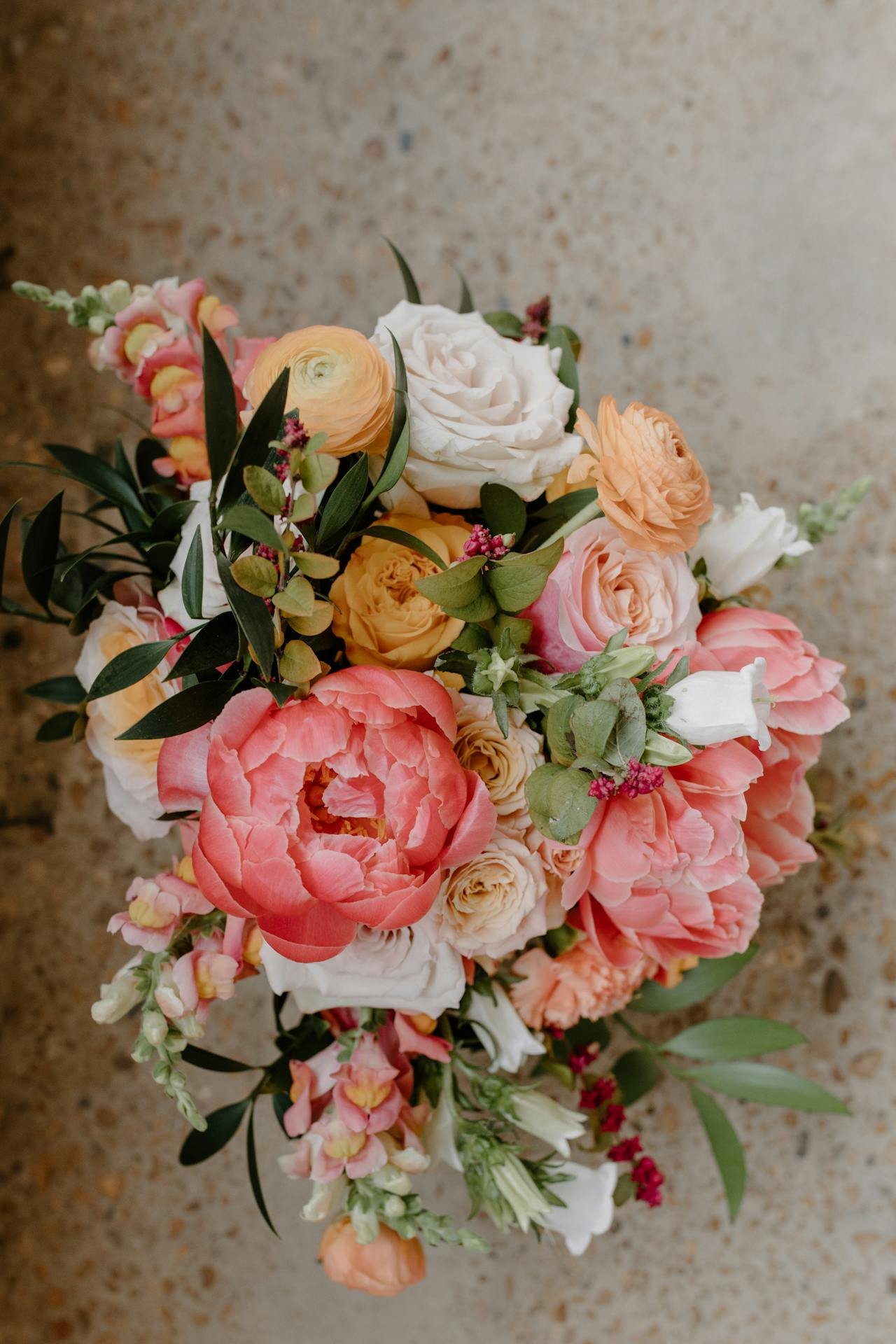
Bloom & Song is Hong Kong’s finest florist.
We’re committed to curating the best blooms for exceptional special occasions.
Bloom & Song 是香港最好的花店。
我們致力於為特殊的特殊場合策劃最好的花朵。
Seasonal flower bouquets
Discover our latest floral collection available for flower delivery to Hong Kong Island, Kowloon and New Territories. We offer free same day delivery for all flower orders.
了解我們最新的花卉系列,可將鮮花遞送到香港島、九龍和新界。我們為所有鮮花訂單提供免費當天送貨服務。


FAQs
What flowers should I order for a special occasion in Hong Kong?
It depends on the occasion and also the recipient's preferences. For a birthday celebration, vibrant and cheerful blooms like sunflowers or gerbera daisies can bring joy. A romantic gesture might call for luxurious red roses or elegant orchids. In a corporate setting, sophisticated arrangements with white lilies or classic mixed bouquets convey professionalism and respect. Each occasion requires thoughtful consideration of colors, shapes, and scents to ensure the floral gift resonates with its intended purpose. Try to ensure you flowers are ordered from a reputable florist that is part of the Hong Kong Florist Association: www.hk-florist.org/hk-florist-directory
Are there any social pitfalls to avoid when sending flowers in Hong Kong?
Certain flowers carry specific meanings in Chinese culture. For example, white flowers are traditionally associated with funerals and can convey condolences rather than celebration. It is best to opt for vibrant, cheerful flowers for celebratory occasions. The message accompanying the flowers should be suitable for the relationship you share with the recipient. Avoid overly sentimental or romantic notes if the relationship is purely professional or casual.
What are the main residential areas in Hong Kong?
Your flowers are likely to be delivered to upscale Hong Kong residential areas. This includes The Peak, Pok Fu Lam, Mid Levels, Repulse Bay, Stanley and Happy Valley on Hong Kong Island. There are also affluent areas in Kowloon such as Tsim Sha Tsui and Kowloon Tong, as well as in the New Territories such as Sai Kung where houses are larger.
Where can I get same day flower delivery?
Yes! If you place a flower order with Bloom & Song before our 1pm cut off time, we can offer same day flower delivery across Hong Kong.
What is the best way to care for flowers after they arrive?
Keep your flowers in a cool area away from direct sunlight. Remember to change the water daily, and every couple of days trim the stems at an angle to help fresh water reach the flowers. Remove any wilting petal and stems.
Signature Florist's Choice Flower Bouquet
Signature Florist's Choice Flower Bouquet

Our most popular flower bouquet with our customers is our masterfully crafted Signature Florist’s Choice. Featuring the most seasonal selection of flower varieties and the freshest and high grade blooms.
Anniversary flowers
Whether it’s your first, or your 50th, anniversaries deserve to be celebrate with the most beautiful flowers. Our florists make every anniversary in Hong Kong one to remember.


愛情指南:根據不同羅馬哲學家的觀點
羅馬哲學家在希臘傳統的基礎上,提供了他們對愛情的獨特見解,將實用智慧與深刻的形而上學思想結合在一起。以下是根據一些最具影響力的羅馬哲學家對愛情的指南。
1. 塞內卡(斯多葛式愛情)
- 核心思想:愛情應以理性和美德為指導,擺脫依戀和過度。
- 主要教導:
- 深情地去愛,但不要執著;認識到一切都是暫時的。
- 真正的愛情根植於相互尊重和共同的道德成長。
- 避免讓嫉妒或占有欲等情緒破壞內心的平靜。
- 如何愛:
- 對與所愛之人共度的時光心存感激。
- 專注於以符合智慧和美德的方式去愛他人。
2. 西塞羅(西塞羅式愛情)
- 核心思想:愛情最好通過友誼和共同的價值觀來表達。
- 主要教導:
- 愛情的最高形式是基於美德和相互尊重的友誼(amicitia)。
- 愛情涉及希望對方好並支持他們的成長。
- 真正的愛情需要誠實、忠誠和對善的共同承諾。
- 如何愛:
- 培養能促進道德和智力成長的友誼。
- 努力建立基於信任、尊重和共同理想的關係。
3. 盧克萊修(伊比鳩魯式愛情)
- 核心思想:愛情應帶來快樂,但必須謹慎對待以避免痛苦。
- 主要教導:
- 愛情可以是快樂的源泉,但如果管理不當,也可能帶來巨大的痛苦。
- 真正的幸福來自簡單的快樂和無擾動的狀態(ataraxia)。
- 愛情應基於相互享受和尊重,而不是迷戀或依賴。
- 如何愛:
- 專注於帶來和平與滿足的關係。
- 避免過度的依戀或情感波動。
4. 馬可·奧勒留(斯多葛式愛情)
- 核心思想:愛情是普遍理性和相互聯繫的表達。
- 主要教導:
- 將他人視為更大宇宙秩序的一部分,認識到你們共同的人性。
- 真正的愛情涉及接受他人的本來面目並希望他們好。
- 愛情應以理性和對更大善的責任感為指導。
- 如何愛:
- 對所有人表現出同情和善意。
- 將愛情視為促進宇宙和諧的一種方式。
5. 普羅提諾(新柏拉圖式愛情)
- 核心思想:愛情是靈魂對「太一」(萬物的終極源頭)的渴望。
- 主要教導:
- 愛情是一段引導靈魂回歸其神聖起源的精神旅程。
- 我們在他人身上看到的美是「太一」神聖美的反映。
- 真正的愛情超越物質,引導我們與神聖合一。
- 如何愛:
- 在所愛之人身上看到神聖,並以此引導你的愛。
- 將愛情作為通往精神啟蒙和與神聖合一的路徑。
6. 奧維德(愛的藝術)
- 核心思想:愛情是一門需要技巧、策略和玩樂的藝術。
- 主要教導:
- 愛情是一場涉及魅力、智慧和相互吸引的遊戲。
- 激情和欲望是自然的,應該以節制的方式慶祝。
- 愛情需要努力和創造力來保持火花。
- 如何愛:
- 以幽默和玩樂的心態對待愛情。
- 投入時間和精力,讓你們的關係保持興奮和充實。
7. 波愛修斯(愛的慰藉)
- 核心思想:愛情是一種統一的力量,支配著宇宙並將秩序帶入混亂。
- 主要教導:
- 愛情是將萬物和諧地結合在一起的原則。
- 真正的愛情是永恆的,超越了物質世界的短暫性。
- 愛情是苦難中的安慰和力量源泉。
- 如何愛:
- 認識到萬物的相互聯繫,並以同情心行事。
- 在真愛的持久性中找到慰藉。
8. 奧古斯丁(基督教式愛情)
- 核心思想:愛情是神聖愛情的反映,也是通往精神救贖的道路。
- 主要教導:
- 愛情的最高形式是無私的愛(caritas),它反映了上帝對人類的愛。
- 愛情應指向上帝和他人,而不是自私的欲望。
- 真正的愛情涉及犧牲、謙卑和對他人福祉的承諾。
- 如何愛:
- 將對他人的愛作為對上帝的愛的表現。
- 在關係中實踐無私和同情。
9. 穆索尼烏斯·魯弗斯(斯多葛式愛情)
- 核心思想:愛情是人類生活中自然而美德的一部分。
- 主要教導:
- 愛情對人類的繁榮至關重要,應在所有關係中培養。
- 真正的愛情基於相互尊重、共同價值觀和對美德的承諾。
- 愛情應通過行動而不僅僅是言語來表達。
- 如何愛:
- 通過善良、忠誠和支持來表達愛。
- 努力建立促進道德和情感成長的關係。
10. 阿普列烏斯(神話式愛情)
- 核心思想:愛情是一種變革性和神秘的力量。
- 主要教導:
- 愛情有能力改變個人並將他們提升到更高的存在狀態。
- 真正的愛情涉及考驗和挑戰,這些考驗和挑戰會測試並加強戀人之間的聯繫。
- 愛情是連接人與神聖的神聖禮物。
- 如何愛:
- 將愛情的挑戰視為成長的機會。
- 將愛情視為一種神聖而變革性的體驗。
羅馬哲學家提供了豐富多樣的愛情觀點,從實用到神秘,從個人到普遍。無論你追求智慧、激情還是精神超越,他們的教導都可以引導你走向更深層次、更有意義的愛情體驗。最終,你選擇愛的方式反映了你的價值觀、信念和對充實生活的願景。
Love According to Different Roman Philosophers
The Roman philosophers, building on Greek traditions, offered their own unique perspectives on love, blending practical wisdom with deeper metaphysical insights. Below is a florist guide to love according to some of the most influential Roman philosophers.
1. Seneca (Stoic Love)
- Core Idea: Love should be guided by reason and virtue, free from attachment and excess.
- Key Teachings:
- Love deeply but without clinging; recognize that everything is temporary.
- True love is rooted in mutual respect and shared moral growth.
- Avoid letting emotions like jealousy or possessiveness disrupt your inner peace.
- How to Love:
- Practice gratitude for the time you have with loved ones.
- Focus on loving others in a way that aligns with wisdom and virtue.
2. Cicero (Ciceronian Love)
- Core Idea: Love is best expressed through friendship and shared values.
- Key Teachings:
- The highest form of love is amicitia (friendship), based on virtue and mutual respect.
- Love involves wishing the best for the other person and supporting their growth.
- True love requires honesty, loyalty, and a shared commitment to the good.
- How to Love:
- Cultivate friendships that encourage moral and intellectual growth.
- Strive for relationships built on trust, respect, and shared ideals.
3. Lucretius (Epicurean Love)
- Core Idea: Love should bring joy, but it must be approached with caution to avoid pain.
- Key Teachings:
- Love can be a source of pleasure but also of great suffering if not managed wisely.
- True happiness comes from simple pleasures and the absence of disturbance (ataraxia).
- Love should be based on mutual enjoyment and respect, not obsession or dependency.
- How to Love:
- Focus on relationships that bring peace and contentment.
- Avoid excessive attachment or emotional turmoil.
4. Marcus Aurelius (Stoic Love)
- Core Idea: Love is an expression of universal reason and interconnectedness.
- Key Teachings:
- Love others as part of a larger cosmic order, recognizing your shared humanity.
- True love involves accepting others as they are and wishing them well.
- Love should be guided by reason and a sense of duty to the greater good.
- How to Love:
- Practice compassion and kindness toward all people.
- See love as a way to contribute to the harmony of the universe.
5. Plotinus (Neoplatonic Love)
- Core Idea: Love is the soul’s yearning for the One, the ultimate source of all existence.
- Key Teachings:
- Love is a spiritual journey that leads the soul back to its divine origin.
- The beauty we see in others is a reflection of the divine beauty of the One.
- True love transcends the physical and leads to union with the divine.
- How to Love:
- See the divine in your beloved and let that guide your love.
- Use love as a path to spiritual enlightenment and union with the divine.
6. Ovid (Art of Love)
- Core Idea: Love is an art that requires skill, strategy, and playfulness.
- Key Teachings:
- Love is a game that involves charm, wit, and mutual attraction.
- Passion and desire are natural and should be celebrated, but with moderation.
- Love requires effort and creativity to keep the spark alive.
- How to Love:
- Approach love with a sense of humor and playfulness.
- Invest time and energy into keeping your relationship exciting and fulfilling.
7. Boethius (Consolation of Love)
- Core Idea: Love is a unifying force that governs the universe and brings order to chaos.
- Key Teachings:
- Love is the principle that binds all things together in harmony.
- True love is eternal and transcends the fleeting nature of the material world.
- Love is a source of comfort and strength in times of suffering.
- How to Love:
- Recognize the interconnectedness of all things and act with compassion.
- Find solace in the enduring nature of true love.
8. Augustine (Christian Love)
- Core Idea: Love is a reflection of divine love and a path to spiritual salvation.
- Key Teachings:
- The highest form of love is caritas (charity), a selfless love that mirrors God’s love for humanity.
- Love should be directed toward God and others, not toward selfish desires.
- True love involves sacrifice, humility, and a commitment to the well-being of others.
- How to Love:
- Love others as an expression of your love for God.
- Practice selflessness and compassion in your relationships.
9. Musonius Rufus (Stoic Love)
- Core Idea: Love is a natural and virtuous part of human life.
- Key Teachings:
- Love is essential to human flourishing and should be nurtured in all relationships.
- True love is based on mutual respect, shared values, and a commitment to virtue.
- Love should be expressed through actions, not just words.
- How to Love:
- Show love through kindness, loyalty, and support.
- Strive to build relationships that promote moral and emotional growth.
10. Apuleius (Mythological Love)
- Core Idea: Love is a transformative and mystical force.
- Key Teachings:
- Love has the power to transform individuals and elevate them to a higher state of being.
- True love involves trials and challenges that test and strengthen the bond between lovers.
- Love is a divine gift that connects the human and the divine.
- How to Love:
- Embrace the challenges of love as opportunities for growth.
- See love as a sacred and transformative experience.
Valentine's Day recommendations
The Roman philosophers offer a rich and diverse array of perspectives on love, from the practical to the mystical, the personal to the universal. Whether you seek wisdom, passion, or spiritual transcendence, their teachings can guide you toward a deeper, more meaningful experience of love. Ultimately, the way you choose to love reflects your values, beliefs, and vision of a fulfilling life.
愛情指南:根據不同古希臘哲學家的觀點
古希臘哲學家以深刻而多樣的方式探討了愛情,提供了關於其本質、目的和實踐的永恆見解。以下是根據一些最具影響力的古希臘哲學家對愛情的指南。
1. 柏拉圖(柏拉圖式愛情)
- 核心思想:愛情是一段通往神聖與永恆的旅程。
- 主要教導:
- 愛情始於身體的吸引,但最終超越物質世界。
- 愛情的最高形式是對智慧(哲學)和永恆形式的愛,尤其是美的形式。
- 愛情是一個階梯:從愛一個美麗的人開始,然後欣賞所有事物的美,最終上升到愛美本身的形式。
- 如何愛:
- 尋求理解所愛之人的本質,而不僅僅是他們的外表。
- 將愛情作為精神與智力成長的手段。
2. 亞里士多德(亞里士多德式愛情)
- 核心思想:愛情根植於友誼和共同的繁榮。
- 主要教導:
- 愛情的最高形式是基於美德和共同價值觀的友誼(philia)。
- 愛情是為對方的利益而希望對方好。
- 真正的愛情需要相互理解和對彼此性格的深刻認識。
- 如何愛:
- 培養能促進成長和幸福的友誼。
- 在關係中追求平衡與平等。
3. 伊比鳩魯(伊比鳩魯式愛情)
- 核心思想:愛情應帶來快樂並避免痛苦,但必須明智地追求。
- 主要教導:
- 愛情可以是巨大快樂的源泉,但如果不謹慎對待,也可能帶來巨大痛苦。
- 真正的幸福來自簡單的快樂和無擾動的狀態(ataraxia)。
- 愛情應基於相互尊重和共享的享受,而不是迷戀或依賴。
- 如何愛:
- 專注於帶來和平與滿足的關係。
- 避免過度的依戀或情感波動。
4. 芝諾(斯多葛式愛情)
- 核心思想:愛情應以理性為指導,並接受超出我們控制的事物。
- 主要教導:
- 深情地去愛,但不要執著;認識到一切都是無常的。
- 專注於以符合美德和智慧的方式去愛他人。
- 避免讓嫉妒或占有欲等情緒破壞內心的平靜。
- 如何愛:
- 對與所愛之人共度的時光心存感激。
- 接受愛情並不意味著控制他人或他們的行為。
5. 恩培多克勒(宇宙之愛)
- 核心思想:愛情是將宇宙結合在一起的基本力量。
- 主要教導:
- 愛情(Philia)是宇宙的兩大力量之一,與衝突(Neikos)並存。
- 愛情團結和諧,而衝突分離和分裂。
- 愛情是將秩序帶入混亂的創造性和統一性原則。
- 如何愛:
- 認識到萬物的相互聯繫,並以同情心行事。
- 努力在你的關係和世界中創造和諧與統一。
6. 畢達哥拉斯(畢達哥拉斯式愛情)
- 核心思想:愛情是基於平衡和比例的和諧關係。
- 主要教導:
- 愛情,像音樂和數學一樣,受和諧與平衡的支配。
- 真正的愛情反映了宇宙秩序和對立面的統一。
- 愛情應基於相互尊重和共同的智力追求。
- 如何愛:
- 尋求平衡和和諧的關係。
- 培養與伴侶的共同興趣和智力聯繫。
7. 曼提尼亞的狄奧提瑪(通過柏拉圖的《會飲篇》)
- 核心思想:愛情是一個從物質到精神的階梯。
- 主要教導:
- 愛情始於對身體美的吸引,但上升到對靈魂的愛,最終達到美的形式。
- 愛情是對永生的渴望,通過創造美、智慧或後代來實現。
- 真正的愛情是自我超越和精神成長的旅程。
- 如何愛:
- 將愛情作為提升自己和他人追求更高理想的手段。
- 專注於通過你的關係創造持久的美和智慧。
8. 蘇格拉底(蘇格拉底式愛情)
- 核心思想:愛情是對智慧和自我知識的追求。
- 主要教導:
- 愛情不是關於占有,而是關於對真理和美德的共同追求。
- 真正的愛情涉及幫助所愛之人在智慧和善良中成長。
- 愛情是一種對話和對美好生活本質的共同探索。
- 如何愛:
- 與所愛之人進行關於人生大問題的深刻對話。
- 鼓勵彼此尋求智慧並過上有美德的生活。
9. 阿里斯托芬(通過柏拉圖的《會飲篇》)
- 核心思想:愛情是尋找我們的另一半。
- 主要教導:
- 根據神話,人類曾經是完整的生物,被神分成兩半;愛情是與我們缺失的另一半重聚的渴望。
- 愛情是一種強大的力量,驅使我們尋求完整和統一。
- 真正的愛情帶來完整感和滿足感。
- 如何愛:
- 尋找一個能補充和完整你的伴侶。
- 擁抱真愛帶來的深刻聯繫和統一感。
10. 普羅提諾(新柏拉圖式愛情)
- 核心思想:愛情是靈魂對「太一」(萬物的終極源頭)的渴望。
- 主要教導:
- 愛情是一段引導靈魂回歸其神聖起源的精神旅程。
- 我們在他人身上看到的美是「太一」神聖美的反映。
- 真正的愛情超越物質,引導我們與神聖合一。
- 如何愛:
- 在所愛之人身上看到神聖,並以此引導你的愛。
- 將愛情作為通往精神啟蒙和與神聖合一的路徑。
古希臘哲學家提供了豐富的愛情觀點,從物質到精神,從個人到宇宙。無論你追求智慧、和諧還是超越,他們的教導都可以引導你走向更深層次、更有意義的愛情體驗。最終,你選擇愛的方式反映了你的價值觀、信念和對充實生活的願景。
https://www.petalandpoem.com/hong-kong-florist-flower-delivery
A Guide to Love According to Different Greek Philosophers: Valentine's Day
The ancient Greek philosophers explored love in profound and varied ways, offering timeless insights into its nature, purpose, and practice. Below is a florist guide to love according to some of the most influential Greek philosophers.
1. Plato (Platonic Love)
- Core Idea: Love is a journey toward the divine and the eternal.
- Key Teachings:
- Love begins with physical attraction but ultimately transcends the material world.
- The highest form of love is the love of wisdom (philosophy) and the eternal Forms, especially the Form of Beauty.
- Love is a ladder: start by loving one beautiful person, then appreciate beauty in all things, and finally ascend to love the Form of Beauty itself.
- How to Love:
- Seek to understand the essence of the beloved, not just their physical form.
- Use love as a means to grow spiritually and intellectually.
2. Aristotle (Aristotelian Love)
- Core Idea: Love is rooted in friendship and mutual flourishing.
- Key Teachings:
- The highest form of love is philia (friendship), based on virtue and shared values.
- Love involves wishing the best for the other person for their own sake.
- True love requires reciprocity and a deep understanding of each other’s character.
- How to Love:
- Cultivate virtuous friendships that encourage growth and happiness.
- Strive for balance and equality in relationships.
3. Epicurus (Epicurean Love)
- Core Idea: Love should bring pleasure and avoid pain, but it must be pursued wisely.
- Key Teachings:
- Love can be a source of great joy but also of great suffering if not approached with care.
- True happiness comes from simple pleasures and the absence of disturbance (ataraxia).
- Love should be based on mutual respect and shared enjoyment, not obsession or dependency.
- How to Love:
- Focus on relationships that bring peace and contentment.
- Avoid excessive attachment or emotional turmoil.
4. Zeno of Citium (Stoic Love)
- Core Idea: Love should be guided by reason and acceptance of what is beyond our control.
- Key Teachings:
- Love deeply but without attachment; recognize that everything is impermanent.
- Focus on loving others in a way that aligns with virtue and wisdom.
- Avoid letting emotions like jealousy or possessiveness disrupt your inner peace.
- How to Love:
- Practice gratitude for the time you have with loved ones.
- Accept that love does not mean controlling others or their actions.
5. Empedocles (Cosmic Love)
- Core Idea: Love is a fundamental force that binds the universe together.
- Key Teachings:
- Love (Philia) is one of the two cosmic forces, alongside Strife (Neikos), that govern the universe.
- Love unites and harmonizes, while Strife separates and divides.
- Love is the creative and unifying principle that brings order to chaos.
- How to Love:
- Recognize the interconnectedness of all things and act with compassion.
- Strive to create harmony and unity in your relationships and the world.
6. Pythagoras (Pythagorean Love)
- Core Idea: Love is a harmonious relationship based on balance and proportion.
- Key Teachings:
- Love, like music and mathematics, is governed by harmony and balance.
- True love reflects the cosmic order and the unity of opposites.
- Love should be based on mutual respect and shared intellectual pursuits.
- How to Love:
- Seek relationships that are balanced and harmonious.
- Cultivate shared interests and intellectual connection with your partner.
7. Diotima of Mantinea (via Plato’s Symposium)
- Core Idea: Love is a ladder that leads from the physical to the spiritual.
- Key Teachings:
- Love begins with the attraction to physical beauty but ascends to the love of the soul and, ultimately, the Form of Beauty.
- Love is a desire for immortality, achieved through the creation of beauty, wisdom, or offspring.
- True love is a journey of self-transcendence and spiritual growth.
- How to Love:
- Use love as a means to elevate yourself and others toward higher ideals.
- Focus on creating lasting beauty and wisdom through your relationships.
8. Socrates (Socratic Love)
- Core Idea: Love is a pursuit of wisdom and self-knowledge.
- Key Teachings:
- Love is not about possession but about the mutual search for truth and virtue.
- True love involves helping the beloved grow in wisdom and goodness.
- Love is a form of dialogue and shared inquiry into the nature of the good life.
- How to Love:
- Engage in meaningful conversations with your beloved about life’s big questions.
- Encourage each other to seek wisdom and live virtuously.
9. Aristophanes (via Plato’s Symposium)
- Core Idea: Love is the search for our other half.
- Key Teachings:
- According to the myth, humans were once whole beings split in two by the gods; love is the desire to reunite with our missing half.
- Love is a powerful force that drives us to seek completeness and unity.
- True love brings a sense of wholeness and fulfillment.
- How to Love:
- Seek a partner who complements and completes you.
- Embrace the deep connection and sense of unity that true love brings.
10. Plotinus (Neoplatonic Love)
- Core Idea: Love is the soul’s yearning for the One, the ultimate source of all existence.
- Key Teachings:
- Love is a spiritual journey that leads the soul back to its divine origin.
- The beauty we see in others is a reflection of the divine beauty of the One.
- True love transcends the physical and leads to union with the divine.
- How to Love:
- See the divine in your beloved and let that guide your love.
- Use love as a path to spiritual enlightenment and union with the divine.
The Greek philosophers offer a rich tapestry of perspectives on love, from the physical to the spiritual, the personal to the cosmic. Whether you seek wisdom, harmony, or transcendence, their teachings can guide you toward a deeper, more meaningful experience of love. Ultimately, the way you choose to love reflects your values, beliefs, and vision of a fulfilling life.
A Floral History of Valentine’s Day: The Language of Flowers

exquisite red rose bouquet embodies timeless elegance and passion, featuring the finest, long-stemmed roses, each carefully selected for their rich colour and velvety texture. Designed to make a statement, this arrangement showcases a vibrant display of deep red blooms, symbolising love and admiration. Artfully arranged with lush greenery, the bouquet is perfect for expressing heartfelt sentiments, whether for a romantic occasion or a celebration of cherished relationships.
Choose delivery date and timeslot, and add a personal message card, on the checkout page.
The bouquet in the photograph is Large size.
Please note that flowers may differ depending on the freshest and most seasonal flowers available to our florists on the day, but will always be of similar colour and quality.
Bouquet sizing:
Nano - approx 20cm in diameter
Small - approx 30cm in diameter
Regular - approx 35cm in diameter
Large - approx 40cm in diameter
Deluxe - approx 50cm in diameter
Valentine's Day, celebrated every year on February 14th, is one of the most popular holidays in the world, largely associated with love, romance, and affection. While flowers, especially roses, are a central part of the celebration, their significance has deep historical roots. This Bloom & Song guide explores how flowers became intertwined with Valentine’s Day and the symbolism behind various blooms.
1. Early Origins: The Roman Roots of Valentine’s Day
The celebration of love on February 14th traces back to the ancient Roman festival of Lupercalia, held on February 15th. Lupercalia was dedicated to the fertility god Faunus and was characterized by rituals that celebrated love and fertility. While there was no direct connection to Valentine's Day as we know it, the festive atmosphere surrounding this time of year laid the groundwork for later romantic customs.
By the 5th century, Pope Gelasius I replaced Lupercalia with St. Valentine’s Day, in honor of St. Valentine, a Christian martyr associated with love. The exact story of St. Valentine’s sacrifice is hazy, but it is believed he secretly married couples despite the emperor’s ban on marriages for young men, to ensure they would remain focused on military service.
2. Flowers and Their Connection to Love
The tradition of giving flowers to express emotions dates back to ancient cultures. In Greek mythology, the goddess Aphrodite (Venus in Roman mythology), the goddess of love and beauty, was said to have emerged from the sea foam surrounded by roses. Over time, the symbolism of flowers grew, with each type of flower being linked to particular feelings or sentiments.
Roses are perhaps the most iconic flower associated with Valentine’s Day, largely due to their symbolism of love, beauty, and passion. In fact, different colors of roses convey distinct meanings:
Red Roses: Passionate love, desire, and respect.
White Roses: Purity, innocence, and new beginnings.
Pink Roses: Appreciation, gratitude, and admiration.
Yellow Roses: Friendship and joy.
Orange Roses: Desire and enthusiasm.
3. The Victorian Era: The Birth of the “Language of Flowers”
The 19th century brought a deeper connection between flowers and emotions, especially during the Victorian era. During this time, societal norms discouraged open displays of affection, and flowers became a subtle yet powerful way to communicate feelings. This period gave rise to floriography, the “language of flowers,” where each flower held a specific meaning. Lovers could exchange bouquets, each bloom representing a hidden message.
Some flowers and their meanings included:
Violets: Modesty and faithfulness.
Tulips: Perfect love.
Daffodils: Unrequited love or new beginnings.
Lilies: Purity and refined beauty.
Camellias: Admiration and excellence.
4. The Role of Roses in Modern Valentine’s Day
Today, roses are the quintessential symbol of love on Valentine’s Day. Their rich, complex symbolism—combining beauty, fragility, and deep emotional connection—makes them the perfect flower for expressing affection. The tradition of gifting roses, particularly red ones, is deeply ingrained in modern-day Valentine’s Day celebrations.
While roses are predominant, florists also offer mixed bouquets that include a variety of other blooms. The language of flowers, though less commonly known today, still influences modern floral arrangements. For instance:
Carnations: Admiration and love.
Chocolates and Orchids: Luxury and sophistication.
Sunflowers: Loyalty and adoration.
5. Modern Floral Trends and Valentine’s Day
In contemporary times, Valentine’s Day flower arrangements have expanded beyond traditional roses. Florists craft elaborate bouquets featuring a mix of colorful flowers to cater to individual tastes. Tulips, lilies, and orchids are now frequently included in Valentine’s Day bouquets for their elegance and varied symbolism.
Some modern-day trends also emphasize sustainable and eco-friendly options, with a focus on locally grown or seasonal flowers. Additionally, flowers are not just reserved for romantic relationships—they are also gifted to friends, family, and even as a self-care gesture, with some people sending flowers as a way to treat themselves on this special day.
6. Beyond the Roses: Other Floral Gifts
While roses are synonymous with Valentine’s Day, other floral gifts, such as flowering plants (like orchids, peace lilies, and African violets), have gained popularity as thoughtful, long-lasting alternatives to cut flowers. These plants can symbolize growing love and are seen as gifts that will continue to bloom long after the holiday, representing lasting affection.
7. The Global Language of Valentine’s Flowers
Although roses and their meanings are internationally recognized, floral traditions surrounding Valentine’s Day vary by culture. For example:
In France, flowers like lilies and violets are commonly exchanged on Valentine’s Day.
In Japan, people exchange flowers as part of a broader celebration of love, with cherry blossoms symbolizing the fleeting beauty of love.
In Italy, lovers often give bouquets of camellias, which represent admiration.
The Everlasting Role of Flowers in Romance
The history of Valentine’s Day and its association with flowers is rich and multifaceted. Flowers, with their deep symbolism and historical significance, continue to be a meaningful way to express love, admiration, and affection. Whether it's the timeless rose or a lesser-known bloom, flowers have a unique ability to communicate feelings that words sometimes cannot capture.
In the modern era, the timeless tradition of giving flowers on Valentine's Day serves as a reminder of the beauty of love, and the enduring role of nature in conveying our deepest emotions.
聖瓦倫丁在世界古典藝術中
聖瓦倫丁是3世紀的殉道者,也是愛的主保聖人,幾個世紀以來一直是藝術家的靈感來源。雖然他的歷史細節常常與傳說交織在一起,但他作為愛、信仰和犧牲的象徵,其持久的遺產在各種形式的古典藝術中得到了描繪。本指南探討了聖瓦倫丁在世界古典藝術中的表現,重點介紹了關鍵作品、主題和藝術傳統。
1. 早期基督教和中世紀藝術
在早期基督教和中世紀時期,聖瓦倫丁經常被描繪成宗教藝術中的殉道者和聖人。這些表現形式更注重他的精神意義,而非浪漫主題。
- 馬賽克和聖像:早期基督教的馬賽克和拜占庭聖像有時會將聖瓦倫丁與其他殉道者一起描繪。他通常穿著教士袍,手持棕櫚枝(殉道的象徵)或書本(代表福音)。
- 彩繪手稿:中世紀的彩繪手稿,如《黃金傳說》(Legenda Aurea),描繪了聖瓦倫丁的生平,包括他的奇蹟和殉道。這些作品通常強調他作為治療者的角色以及他對羅馬當局的抵抗。
2. 文藝復興藝術
文藝復興時期,人文主義和個人主義的興起影響了對聖瓦倫丁的描繪。藝術家們開始以更深的情感深度和現實主義來探索他的故事。
- 宗教繪畫:文藝復興時期的藝術家,如弗拉·安傑利科和桑德羅·波提切利,將聖瓦倫丁納入宗教場景中,通常將他描繪成一位莊嚴的教士形象。這些作品突出了他的虔誠和殉道。
- 祭壇畫:在歐洲各地的教堂中,獻給聖瓦倫丁的祭壇畫將他描繪成戀人的保護者和基督教美德的典範。這些作品通常包括他的奇蹟場景,例如治癒盲人。
3. 巴洛克藝術
巴洛克時期以其戲劇性的光影和情感表現而聞名,這使得對聖瓦倫丁的描繪更具戲劇性。
- 殉道場景:巴洛克藝術家,如卡拉瓦喬和彼得·保羅·魯本斯,創作了生動的聖瓦倫丁殉道場景,強調了他犧牲的強烈性。這些作品通常以戲劇性的光影和情感表達來傳達聖人的苦難和信仰。
- 雕塑:在天主教教堂中,聖瓦倫丁的雕塑變得流行,通常展示他手持劍(他的處決工具)或心臟(象徵愛)。這些雕塑旨在激發虔誠和反思。
4. 浪漫主義和維多利亞時代藝術
在浪漫主義和維多利亞時代,聖瓦倫丁越來越與愛和浪漫的主題聯繫在一起。藝術家們根據他的傳說創作作品,慶祝精神與世俗形式的愛。
- 浪漫主義繪畫:藝術家如但丁·加布里埃爾·羅塞蒂和約翰·埃弗里特·米萊斯在場景中描繪聖瓦倫丁,強調他與愛和求愛的聯繫。這些作品通常包含象徵性元素,如玫瑰和鴿子。
- 情人節卡片:維多利亞時代見證了情人節卡片的興起,這些卡片通常以古典藝術風格的插圖描繪聖瓦倫丁。這些卡片結合了宗教意象和浪漫主題,使聖人成為慶祝愛的核心人物。
5. 東正教藝術
在東正教傳統中,聖瓦倫丁被尊為神聖的殉道者,藝術中的描繪反映了這一精神焦點。
- 聖像:東正教的聖瓦倫丁聖像以傳統拜占庭風格展示他,頭上有光環,手持十字架或福音書。這些聖像強調了他作為基督見證者和信仰典範的角色。
- 壁畫:在東正教教堂中,聖瓦倫丁的壁畫通常與其他殉道者一起出現,突出了他在聖徒中的地位。
6. 全球藝術表現
聖瓦倫丁的影響力超越了歐洲,世界各地的藝術家將他的故事融入他們的文化和藝術傳統中。
- 拉丁美洲藝術:在墨西哥和秘魯等國家,殖民時期的藝術經常將聖瓦倫丁描繪成戀人的保護者和神聖愛的象徵。這些作品融合了歐洲藝術風格和本土影響。
- 亞洲藝術:在菲律賓和印度等有基督教社區的地區,聖瓦倫丁有時以當地藝術風格描繪,反映了基督教與文化傳統的融合。
7. 聖瓦倫丁藝術描繪的主題
在不同的時期和文化中,聖瓦倫丁的藝術表現中反覆出現某些主題:
- 殉道與犧牲:許多作品強調了他為信仰而死的意願,通常展示他在處決的時刻或手持殉道的象徵。
- 愛與慈悲:聖瓦倫丁與愛的聯繫體現在他主持婚禮、治癒病人或手持心臟的描繪中。
- 信仰與奉獻:作為一位聖人,瓦倫丁經常被描繪成祈禱或手持宗教物品的形象,強調了他對基督的深厚信仰和承諾。
聖瓦倫丁的故事激勵了幾個世紀以來的藝術家,形成了豐富多樣的古典藝術作品。從早期基督教的馬賽克到巴洛克時期的傑作和浪漫主義繪畫,他的描繪反映了人們對他作為殉道者、治療者和愛的主保聖人遺產的不斷演變的理解。通過探索這些藝術傳統,我們對聖瓦倫丁在世界藝術和文化中的持久影響有了更深的認識。
Saint Valentine in Classical Art Around the World
Saint Valentine, the 3rd-century martyr and patron saint of love, has been a source of inspiration for artists across centuries and cultures. While his historical details are often intertwined with legend, his enduring legacy as a symbol of love, faith, and sacrifice has been depicted in various forms of classical art. This Bloom & Song Florist guide explores how Saint Valentine has been represented in classical art around the world, highlighting key works, themes, and artistic traditions.
1. Early Christian and Medieval Art
In the early Christian and medieval periods, Saint Valentine was often depicted in religious art as a martyr and saint. These representations focused on his spiritual significance rather than romantic themes.
- Mosaics and Icons: Early Christian mosaics and Byzantine icons sometimes included Saint Valentine among other martyrs. He was typically shown in clerical robes, holding a palm branch (a symbol of martyrdom) or a book (representing the Gospel).
- Illuminated Manuscripts: Medieval illuminated manuscripts, such as the Golden Legend (Legenda Aurea), featured illustrations of Saint Valentine's life, including his miracles and martyrdom. These works often emphasized his role as a healer and his defiance of Roman authorities.
2. Renaissance Art
The Renaissance period saw a renewed interest in humanism and the individual, which influenced depictions of Saint Valentine. Artists began to explore his story with greater emotional depth and realism.
- Religious Paintings: Renaissance artists like Fra Angelico and Sandro Botticelli included Saint Valentine in religious scenes, often portraying him as a dignified figure in priestly attire. These works highlighted his piety and martyrdom.
- Altarpieces: In churches across Europe, altarpieces dedicated to Saint Valentine depicted him as a protector of lovers and a model of Christian virtue. These works often included scenes of his miracles, such as healing the blind.
3. Baroque Art
The Baroque period, known for its dramatic use of light and emotion, brought a more theatrical approach to depictions of Saint Valentine.
- Martyrdom Scenes: Baroque artists like Caravaggio and Peter Paul Rubens created vivid scenes of Saint Valentine's martyrdom, emphasizing the intensity of his sacrifice. These works often featured dramatic lighting and emotional expressions to convey the saint's suffering and faith.
- Sculptures: In Catholic churches, sculptures of Saint Valentine became popular, often showing him holding a sword (the instrument of his execution) or a heart (symbolizing love). These sculptures were intended to inspire devotion and reflection.
4. Romantic and Victorian Art
During the Romantic and Victorian eras, Saint Valentine became increasingly associated with themes of love and romance. Artists drew on his legend to create works that celebrated love in both its spiritual and earthly forms.
- Romantic Paintings: Artists like Dante Gabriel Rossetti and John Everett Millais depicted Saint Valentine in scenes that emphasized his connection to love and courtship. These works often included symbolic elements, such as roses and doves.
- Valentine's Day Cards: The Victorian era saw the rise of Valentine's Day cards, which often featured classical art-inspired illustrations of Saint Valentine. These cards combined religious imagery with romantic motifs, making the saint a central figure in the celebration of love.
5. Eastern Orthodox Art
In Eastern Orthodox traditions, Saint Valentine is venerated as a holy martyr, and his depictions in art reflect this spiritual focus.
- Icons: Orthodox icons of Saint Valentine show him in traditional Byzantine style, with a halo and holding a cross or Gospel book. These icons emphasize his role as a witness to Christ and a model of faith.
- Frescoes: In Orthodox churches, frescoes of Saint Valentine often appear alongside other martyrs, highlighting his place in the communion of saints.
6. Global Representations
Saint Valentine's influence extends beyond Europe, with artists around the world incorporating his story into their cultural and artistic traditions.
- Latin American Art: In countries like Mexico and Peru, colonial-era art often depicted Saint Valentine as a protector of lovers and a symbol of divine love. These works blended European artistic styles with indigenous influences.
- Asian Art: In regions with Christian communities, such as the Philippines and India, Saint Valentine is sometimes depicted in local artistic styles, reflecting the fusion of Christian and cultural traditions.
7. Themes in Saint Valentine's Artistic Depictions
Across different periods and cultures, certain themes recur in artistic representations of Saint Valentine:
- Martyrdom and Sacrifice: Many works emphasize his willingness to die for his faith, often showing him at the moment of his execution or holding symbols of martyrdom.
- Love and Compassion: Saint Valentine's association with love is reflected in depictions of him performing marriages, healing the sick, or holding a heart.
- Faith and Devotion: As a saint, Valentine is often shown in prayer or holding religious objects, underscoring his deep faith and commitment to Christ.
Saint Valentine's story has inspired artists for centuries, resulting in a rich and diverse array of classical art. From early Christian mosaics to Baroque masterpieces and Romantic paintings, his depictions reflect the evolving understanding of his legacy as a martyr, healer, and patron of love. By exploring these artistic traditions, we gain a deeper appreciation for Saint Valentine's enduring impact on art and culture around the world.
歐洲邱比特藝術作品指南
邱比特,羅馬的愛神,幾個世紀以來一直是歐洲藝術中的熱門主題。從古代雕塑到文藝復興時期的繪畫,邱比特以各種形式出現,象徵著愛情、慾望和激情。如果你是一位藝術愛好者或旅行者,對探索以邱比特為主題的藝術作品感興趣,這裡有一份指南,介紹歐洲各地一些著名的作品和地點:
1. 義大利:邱比特的發源地
- 龐貝城的邱比特雕塑:這座被維蘇威火山爆發保存下來的古城,擁有描繪邱比特的壁畫和雕塑。參觀維蒂之家,可以看到邱比特在日常生活中的形象。
- 波提切利的《春》(烏菲茲美術館,佛羅倫斯):這幅標誌性的文藝復興時期畫作中,邱比特懸浮在維納斯上方,象徵春天的到來和愛情的綻放。
- 卡拉瓦喬的《愛神征服一切》(柏林畫廊,柏林):雖然原作在柏林,但卡拉瓦喬的影響深深植根於義大利。這幅畫將邱比特描繪成一個調皮、勝利的形象。
2. 法國:浪漫的邱比特描繪
- 弗朗索瓦·布歇的《解除武裝的邱比特》(羅浮宮,巴黎):這幅洛可可風格的畫作展示了邱比特放下他的箭,象徵愛情的脆弱。
- 讓-奧諾雷·弗拉戈納爾的《鞦韆》(華勒斯典藏館,倫敦):雖然原作在倫敦,但弗拉戈納爾的作品是法國洛可可藝術的典型代表。邱比特的雕像注視著這幅充滿趣味的場景,增添了一絲浪漫氣息。
3. 英國:英國藝術中的邱比特
- 約書亞·雷諾茲爵士的《邱比特解開維納斯的腰帶》(泰特不列顛美術館,倫敦):這幅新古典主義畫作將邱比特描繪成一個調皮的孩子,解開維納斯的腰帶,象徵著束縛的鬆動。
- 約翰·威廉·沃特豪斯的《邱比特與普賽克》(私人收藏):雖然不常公開展出,但沃特豪斯的拉斐爾前派風格對這則神話的詮釋,是邱比特浪漫故事的絕美呈現。
4. 西班牙:巴洛克藝術中的邱比特
- 迪亞哥·委拉斯開茲的《鏡前的維納斯》(國家美術館,倫敦):雖然原作在倫敦,但這幅西班牙巴洛克風格的傑作中,邱比特為維納斯拿著鏡子,象徵著虛榮與愛情。
- 弗朗西斯科·德·蘇爾巴蘭的《邱比特》(普拉多博物館,馬德里):這幅畫將邱比特描繪成一個小男孩,捕捉了愛情的純真與俏皮。
5. 荷蘭:荷蘭黃金時代藝術中的邱比特
- 林布蘭的《劫奪歐羅巴》(伊莎貝拉·斯圖爾特·加德納博物館,波士頓):雖然原作在美國,但林布蘭的影響深深植根於荷蘭。邱比特經常在他的作品中作為愛與慾望的象徵出現。
- 彼得·保羅·魯本斯的《維納斯的盛宴》(藝術史博物館,維也納):魯本斯的佛蘭芒巴洛克風格在這幅充滿活力的畫作中展現,邱比特被愛與豐饒的慶祝活動所環繞。
6. 奧地利:帝國藝術中的邱比特
- 古斯塔夫·克林姆的《吻》(美景宮,維也納):雖然不是直接描繪邱比特,但克林姆的這幅傑作體現了愛與激情的主題,與邱比特密切相關。
- 安東尼奧·卡諾瓦的《邱比特與普賽克》(羅浮宮,巴黎):雖然原作在巴黎,但卡諾瓦的新古典主義雕塑以其對邱比特與普賽克擁抱的細膩描繪而聞名。
7. 德國:古典與浪漫藝術中的邱比特
- 安東·拉斐爾·門斯的《邱比特磨箭》(古代大師畫廊,德累斯頓):這幅畫捕捉了邱比特準備射箭的瞬間,象徵著愛的力量。
- 約翰·海因里希·蒂施拜因的《邱比特與普賽克》(施泰德藝術館,法蘭克福):這幅浪漫主義風格的作品突出了邱比特故事的情感深度。
8. 希臘:古代靈感
- 提洛島的邱比特馬賽克:這座被列為聯合國教科文組織世界遺產的島嶼,擁有描繪邱比特(希臘神話中的厄洛斯)的古代馬賽克,展現了各種神話場景。
- 雅典國家考古博物館:探索描繪厄洛斯的古希臘花瓶和雕塑,厄洛斯是邱比特的希臘對應神,象徵著愛與慾望。
9. 俄羅斯:帝國藝術中的邱比特
- 聖彼得堡冬宮博物館的邱比特雕塑:冬宮收藏了許多描繪邱比特的雕塑和繪畫,反映了歐洲藝術對俄羅斯文化的影響。
10. 比利時:佛蘭芒藝術中的邱比特
- 彼得·保羅·魯本斯的《愛之園》(普拉多博物館,馬德里):雖然原作在馬德里,但魯本斯的佛蘭芒巴洛克風格在比利時廣受讚譽。這幅畫中,邱比特與情侶們在一起,象徵著愛情的喜悅。
探索歐洲邱比特藝術作品的小貼士:
- 提前計劃:查看博物館網站以了解開放時間和特別展覽。
- 參加導覽:考慮加入導覽團,深入了解邱比特在藝術中的象徵意義和歷史背景。
- 當地見解:與當地人或博物館工作人員交談,尋找隱藏的珍寶和較少人知的邱比特藝術作品。
邱比特在歐洲藝術中的存在,反映了人們對愛與慾望的永恆迷戀。無論你是探索古代遺跡,還是漫步於世界級的博物館,這些藝術作品都能讓你一窺邱比特在歐洲文化中的持久影響。祝你藝術探索愉快!
Valentine's Day: Artwork Featuring Cupid Around Europe
Cupid, the Roman god of love, has been a popular subject in European art for centuries. From ancient sculptures to Renaissance paintings, Cupid appears in various forms, symbolizing love, desire, and passion. If you're an art enthusiast or a traveler interested in exploring Cupid-themed artwork, here’s a florist guide to some of the most notable pieces and locations across Europe:
1. Italy: The Birthplace of Cupid
- Cupid Sculptures in Pompeii: The ancient city of Pompeii, preserved by the eruption of Mount Vesuvius, features frescoes and sculptures of Cupid. Visit the House of the Vettii to see Cupid depicted in daily life.
- Botticelli’s "Primavera" (Uffizi Gallery, Florence): This iconic Renaissance painting features Cupid hovering above Venus, symbolizing the arrival of spring and the blossoming of love.
- Caravaggio’s "Amor Vincit Omnia" (Gemäldegalerie, Berlin): Although the original is in Berlin, Caravaggio’s influence is deeply rooted in Italy. This painting depicts Cupid as a mischievous, triumphant figure.
2. France: Romantic Depictions of Cupid
- François Boucher’s "Cupid Disarmed" (Louvre Museum, Paris): This Rococo painting shows Cupid surrendering his arrows, symbolizing the vulnerability of love.
- Jean-Honoré Fragonard’s "The Swing" (Wallace Collection, London): While the original is in London, Fragonard’s work is a quintessential example of French Rococo art. A statue of Cupid watches over the playful scene, adding a touch of romance.
3. United Kingdom: Cupid in British Art
- Sir Joshua Reynolds’ "Cupid Untying the Zone of Venus" (Tate Britain, London): This neoclassical painting depicts Cupid as a playful child, untying Venus’s sash, symbolizing the loosening of inhibitions.
- John William Waterhouse’s "Cupid and Psyche" (Private Collection): While not always on public display, Waterhouse’s Pre-Raphaelite interpretation of the myth is a stunning representation of Cupid’s romantic tale.
4. Spain: Cupid in Baroque Art
- Diego Velázquez’s "The Toilet of Venus" (National Gallery, London): Although housed in London, this Spanish Baroque masterpiece features Cupid holding a mirror for Venus, symbolizing vanity and love.
- Francisco de Zurbarán’s "Cupid" (Museo del Prado, Madrid): This painting portrays Cupid as a young boy, capturing the innocence and playfulness of love.
5. Netherlands: Cupid in Dutch Golden Age Art
- Rembrandt’s "The Abduction of Europa" (Isabella Stewart Gardner Museum, Boston): While the original is in the U.S., Rembrandt’s influence is deeply tied to the Netherlands. Cupid often appears in his works as a symbol of love and desire.
- Peter Paul Rubens’ "The Feast of Venus" (Kunsthistorisches Museum, Vienna): Rubens’ Flemish Baroque style is showcased in this vibrant painting, where Cupid is surrounded by a celebration of love and fertility.
6. Austria: Cupid in Imperial Art
- Gustav Klimt’s "The Kiss" (Belvedere Museum, Vienna): While not a direct depiction of Cupid, Klimt’s masterpiece embodies the essence of love and passion, themes closely associated with Cupid.
- Antonio Canova’s "Cupid and Psyche" (Louvre Museum, Paris): Although the original is in Paris, Canova’s neoclassical sculpture is a must-see for its delicate portrayal of Cupid and Psyche’s embrace.
7. Germany: Cupid in Classical and Romantic Art
- Anton Raphael Mengs’ "Cupid Sharpening His Arrow" (Gemäldegalerie Alte Meister, Dresden): This painting captures Cupid preparing to strike, symbolizing the power of love.
- Johann Heinrich Tischbein’s "Cupid and Psyche" (Städel Museum, Frankfurt): This Romantic interpretation of the myth highlights the emotional depth of Cupid’s story.
8. Greece: Ancient Inspirations
- Cupid Mosaics in Delos: The island of Delos, a UNESCO World Heritage Site, features ancient mosaics depicting Cupid (Eros in Greek mythology) in various mythological scenes.
- National Archaeological Museum, Athens: Explore ancient Greek vases and sculptures that depict Eros, the Greek counterpart of Cupid, as a symbol of love and desire.
9. Russia: Cupid in Imperial Art
- Cupid Sculptures in the Hermitage Museum, St. Petersburg: The Hermitage houses numerous sculptures and paintings featuring Cupid, reflecting the influence of European art on Russian culture.
10. Belgium: Cupid in Flemish Art
- Peter Paul Rubens’ "The Garden of Love" (Prado Museum, Madrid): While the original is in Madrid, Rubens’ Flemish Baroque style is celebrated in Belgium. This painting features Cupid among couples, symbolizing the joys of love.
Tips for Exploring Cupid Artwork in Europe:
- Plan Ahead: Check museum websites for opening hours and special exhibitions.
- Guided Tours: Consider joining a guided tour to learn more about the symbolism and history of Cupid in art.
- Local Insights: Talk to locals or museum staff for hidden gems and lesser-known artworks featuring Cupid.
Cupid’s presence in European art reflects the timeless fascination with love and desire. Whether you’re exploring ancient ruins or wandering through world-class museums, these artworks offer a glimpse into the enduring legacy of Cupid in European culture.
印度教愛神指南
在印度教中,愛是一個深刻且多面向的概念,涵蓋了浪漫的愛情、神聖的愛以及將所有生命聯繫在一起的愛。有幾位神祇與愛、欲望和人際關係相關,每位神祇都代表了這種普遍情感的不同面向。以下是印度教中主要愛神的介紹:
---
1. 迦摩天(कामदेव)——愛與欲望之神
- 角色:迦摩天是印度教中的愛與欲望之神,常被比作希臘的厄洛斯或羅馬的丘比特。
- 形象:迦摩天被描繪為一位英俊的年輕人,手持甘蔗製成的弓和以花朵為箭頭的箭,尤其是阿育王花。他的箭能喚起被射中者的愛與欲望。
- 象徵:迦摩天代表愛的力量,能夠喚醒情感並將人們聯繫在一起。他的伴侶是愛與激情女神拉蒂。
- 神話:在一個著名的故事中,眾神派迦摩天去喚醒正在深度冥想中的濕婆神,讓他愛上帕爾瓦蒂。然而,濕婆因被打擾而憤怒,睜開第三隻眼將迦摩天燒成灰燼。後來,迦摩天被復活,象徵愛的永恆本質。
- 崇拜:迦摩天在慶祝愛與春天的節日如胡里節和瓦桑特潘查米節期間受到崇拜。
---
2. 拉蒂(रति)——愛與激情女神
- 角色:拉蒂是愛、肉體欲望和性快感的女神。她是迦摩天的伴侶,代表浪漫關係中的喜悅與滿足。
- 形象:拉蒂被描繪為一位美麗的女子,常伴隨在迦摩天身旁。她與感性和情感親密相關。
- 象徵:拉蒂體現了愛的情感和身體面向,強調了激情與連結在關係中的重要性。
- 神話:拉蒂在迦摩天復活的故事中扮演了關鍵角色,展示了她的奉獻精神以及愛戰勝死亡的力量。
- 崇拜:拉蒂常與迦摩天一起在祈求婚姻和諧與浪漫滿足的儀式和祈禱中被召喚。
---
3. 拉達(राधा)——神聖愛的化身
- 角色:拉達是克里希那神的永恆伴侶,代表無條件、無私的愛(巴克提)。她對克里希那的愛被認為是奉獻的最高形式。
- 形象:拉達常與克里希那一起被描繪,象徵個體靈魂(拉達)與神聖(克里希那)的結合。
- 象徵:拉達的愛超越了物質和身體的界限,代表純粹的精神之愛。她與克里希那的關係被視為神聖浪漫的理想。
- 神話:拉達對克里希那的奉獻是許多印度教經典的核心,包括《薄伽梵往世書》和《吉塔戈文達》。她的愛被視為靈魂渴望與神結合的隱喻。
- 崇拜:拉達與克里希那一起受到崇拜,特別是在毗濕奴派傳統中。節日如詹瑪斯htami和胡里節慶祝他們的神聖之愛。
---
4. 克里希那(कृष्ण)——神聖的愛人
- 角色:雖然克里希那主要是毗濕奴的化身和至高神,但他也被譽為終極的神聖愛人。他與牧牛女(gopis)的嬉戲和浪漫互動,以及他與拉達的永恆連結,象徵著神聖的愛。
- 形象:克里希那常被描繪為吹著笛子,周圍環繞著崇拜他的牧牛女,或站在拉達身旁。
- 象徵:克里希那的愛代表了神聖吸引和迷住所有生命的能力。他與拉達和牧牛女的關係展示了靈魂對與神結合的渴望。
- 神話:《拉莎麗拉》是克里希那與牧牛女之間的神聖舞蹈,是印度教中最著名的神聖愛情故事之一。
- 崇拜:克里希那被廣泛崇拜,特別是在詹瑪斯htami和胡里節期間。他在《薄伽梵歌》中的教導也強調愛與奉獻是通往靈性解脫的道路。
---
5. 帕爾瓦蒂(पार्वती)——愛與奉獻女神
- 角色:帕爾瓦蒂是愛、生育和奉獻的女神。她是濕婆神的伴侶,代表忠誠的妻子和母親的理想形象。
- 形象:帕爾瓦蒂被描繪為一位美麗且充滿母愛的形象,常與濕婆及他們的孩子甘尼許和卡爾凱亞一起出現。
- 象徵:帕爾瓦蒂對濕婆的愛象徵著奉獻和堅持的力量。她堅定不移的奉獻最終贏得了濕婆的心,使他從苦行者轉變為充滿愛的丈夫。
- 神話:帕爾瓦蒂的故事強調了愛與奉獻在克服障礙中的重要性。她與濕婆的結合代表了陽性與陰性能量的平衡。
- 崇拜:帕爾瓦蒂以多種形式受到崇拜,包括杜爾迦和卡莉。節日如納瓦拉特里和提吉節慶祝她的神聖之愛與力量。
---
6. 拉克希米(लक्ष्मी)——愛與繁榮女神
- 角色:拉克希米是財富、繁榮和美麗的女神,但她也體現了愛與恩典。作為毗濕奴的伴侶,她代表了愛中滋養和支持的面向。
- 形象:拉克希米被描繪為一位坐在蓮花上的光彩照人的女子,常常灑下金幣和祝福。
- 象徵:拉克希米的愛與豐盛、和諧以及關係的滋養相關。她的存在為家庭帶來喜悅與滿足。
- 神話:拉克希米對毗濕奴的奉獻在《攪乳海》等故事中受到讚揚,她在其中作為神聖恩典的象徵出現。
- 崇拜:拉克希米在排燈節等節日期間受到崇拜,常與毗濕奴一起祈求愛、繁榮與和諧的祝福。
---
印度教的愛神反映了愛的多樣表現形式——無論是浪漫的激情、神聖的奉獻,還是家庭的滋養紐帶。通過理解和連結這些神祇,信徒們尋求培養各種形式的愛,豐富他們的生活和靈性旅程。無論是通過迦摩天的嬉戲之箭、拉達與克里希那的神聖浪漫,還是帕爾瓦蒂的堅定奉獻,這些神祇都提醒我們愛具有轉化和永恆的力量。
A Guide to the Hindu Gods of Love
In Hinduism, love is a profound and multifaceted concept, encompassing romantic love, divine love, and the love that binds all beings. Several deities are associated with love, desire, and relationships, each representing different aspects of this universal emotion. Here’s a florist guide to the primary Hindu gods and goddesses of love:
---
1. Kamadeva (कामदेव) – The God of Love and Desire
- Role: Kamadeva is the Hindu god of love, desire, and attraction. He is often compared to the Greek god Eros or the Roman god Cupid.
- Appearance: Kamadeva is depicted as a handsome young man wielding a bow made of sugarcane and arrows tipped with flowers, particularly the ashoka flower. His arrows evoke feelings of love and desire in those they strike.
- Symbolism: Kamadeva represents the power of love to awaken emotions and bring people together. His consort is Rati, the goddess of love and passion.
- Mythology: In one famous story, Kamadeva was sent by the gods to awaken Lord Shiva from deep meditation so he could fall in love with Parvati. However, Shiva, angered by the disturbance, opened his third eye and reduced Kamadeva to ashes. Later, Kamadeva was revived, symbolizing the eternal nature of love.
- Worship: Kamadeva is worshipped during festivals like Holi and Vasant Panchami, which celebrate love and spring.
---
2. Rati (रति) – The Goddess of Love and Passion
- Role: Rati is the goddess of love, carnal desire, and sexual pleasure. She is Kamadeva’s consort and represents the joy and fulfillment of romantic relationships.
- Appearance: Rati is depicted as a beautiful woman, often accompanying Kamadeva. She is associated with sensuality and emotional intimacy.
- Symbolism: Rati embodies the emotional and physical aspects of love, highlighting the importance of passion and connection in relationships.
- Mythology: Rati plays a key role in the story of Kamadeva’s revival, demonstrating her devotion and the power of love to overcome even death.
- Worship: Rati is often invoked alongside Kamadeva in rituals and prayers for marital harmony and romantic fulfillment.
---
3. Radha (राधा) – The Embodiment of Divine Love
- Role: Radha is the eternal consort of Lord Krishna and represents unconditional, selfless love (bhakti). Her love for Krishna is considered the highest form of devotion.
- Appearance: Radha is often depicted alongside Krishna, symbolizing the union of the individual soul (Radha) with the divine (Krishna).
- Symbolism: Radha’s love transcends physical and material boundaries, representing pure, spiritual love. Her relationship with Krishna is celebrated as the ideal of divine romance.
- Mythology: Radha’s devotion to Krishna is central to many Hindu texts, including the Bhagavata Purana and the Gita Govinda. Her love is seen as a metaphor for the soul’s longing for union with God.
- Worship: Radha is worshipped alongside Krishna, especially in the Vaishnavism tradition. Festivals like Janmashtami and Holi celebrate their divine love.
---
4. Krishna (कृष्ण) – The Divine Lover
- Role: While Krishna is primarily known as an incarnation of Vishnu and a supreme deity, he is also celebrated as the ultimate divine lover. His playful and romantic interactions with the gopis (cowherd girls) and his eternal bond with Radha symbolize divine love.
- Appearance: Krishna is often depicted playing the flute, surrounded by adoring gopis, or standing beside Radha.
- Symbolism: Krishna’s love represents the divine’s ability to attract and enchant all beings. His relationship with Radha and the gopis illustrates the soul’s yearning for union with the divine.
- Mythology: The Rasa Lila, a divine dance between Krishna and the gopis, is one of the most celebrated stories of divine love in Hinduism.
- Worship: Krishna is worshipped widely, particularly during Janmashtami and Holi. His teachings in the Bhagavad Gita also emphasize love and devotion as paths to spiritual liberation.
---
5. Parvati (पार्वती) – The Goddess of Love and Devotion
- Role: Parvati is the goddess of love, fertility, and devotion. She is the consort of Lord Shiva and represents the ideal of a devoted wife and mother.
- Appearance: Parvati is depicted as a beautiful and nurturing figure, often alongside Shiva and their children, Ganesha and Kartikeya.
- Symbolism: Parvati’s love for Shiva symbolizes the power of devotion and perseverance. Her unwavering dedication ultimately wins Shiva’s heart, transforming him from an ascetic into a loving husband.
- Mythology: Parvati’s story highlights the importance of love and devotion in overcoming obstacles. Her union with Shiva represents the balance of masculine and feminine energies.
- Worship: Parvati is worshipped in various forms, including Durga and Kali. Festivals like Navaratri and Teej celebrate her divine love and strength.
---
6. Lakshmi (लक्ष्मी) – The Goddess of Love and Prosperity
- Role: Lakshmi is the goddess of wealth, prosperity, and beauty, but she also embodies love and grace. As the consort of Vishnu, she represents the nurturing and supportive aspects of love.
- Appearance: Lakshmi is depicted as a radiant woman seated on a lotus, often showering gold coins and blessings.
- Symbolism: Lakshmi’s love is associated with abundance, harmony, and the nurturing of relationships. Her presence brings joy and fulfillment to households.
- Mythology: Lakshmi’s devotion to Vishnu is celebrated in stories like the Samudra Manthan (churning of the ocean), where she emerges as a symbol of divine grace.
- Worship: Lakshmi is worshipped during Diwali and other festivals, often alongside Vishnu, to invoke blessings of love, prosperity, and harmony.
---
The Hindu gods and goddesses of love reflect the diverse ways in which love manifests—whether as romantic passion, divine devotion, or the nurturing bonds of family. By understanding and connecting with these deities, devotees seek to cultivate love in all its forms, enriching their lives and spiritual journeys. Whether through the playful arrows of Kamadeva, the divine romance of Radha and Krishna, or the unwavering devotion of Parvati, these deities remind us of love’s transformative and eternal power.
可食用野生植物:初學者的採集指南
採集野生植物是一項令人回味無窮的古老技藝,它能讓我們重新與自然建立聯繫,並提供各種營養豐富且常具藥用價值的植物。無論你是希望為餐點增添野生綠色蔬菜,還是探索自然食物的世界,採集野生植物都能帶來一場令人興奮的冒險。然而,在這一過程中,知識、尊重與責任感至關重要,我們需要確保以可持續的方式採集植物,從而保護植物和生態環境。這本指南將向你介紹如何開始採集可食用的野生植物,並提供實用建議,幫助你安全且負責任地進行採集。
1. 為什麼要採集野生植物?
採集野生植物有許多好處,包括:
營養價值: 野生植物通常富含維他命、礦物質及抗氧化物。許多野生綠葉蔬菜、莓果和根部植物的營養密度往往比市售栽培的植物要高。
風味多樣性: 可食用的野生植物通常具有獨特且濃烈的風味,可以為你的餐點增添不少驚喜,例如蒲公英葉的辛辣、野生草莓的甜美,或是野生蘑菇的泥土氣息。
與自然的聯繫: 採集野生植物讓我們重新與大自然建立聯繫,學習當地生態系統、季節變化及植物與動物之間的互動。
自給自足: 通過採集,你可以用免費的當地食材來補充自己的飲食,這不僅可持續,還能減少對商業農產品的依賴。
2. 採集基本裝備
在進行採集之前,準備一些必要的工具和物品是非常有幫助的:
植物識別書或應用程式: 一本好的植物識別書或有植物識別功能的應用程式對於確認植物的種類非常重要,能確保你正確識別食用植物,避免誤食有毒植物。
籃子或布袋: 使用籃子或布袋收集植物,這樣不僅能保持空氣流通,讓所採集的植物保持新鮮,還可以避免塑料袋造成的壓傷。
鋒利的刀或剪刀: 小巧且鋒利的刀或剪刀能幫助你輕鬆、乾淨地收割植物,並減少對環境的影響。
手套: 雖然不是必須,但手套可以幫助保護你免受刺痛植物、毒藤或可能引起皮膚過敏的植物的傷害。
筆記本和筆: 筆記本可以用來記錄你的採集經歷或標註植物的生長地點,方便日後再次採集。
水和小食: 長時間外出時,記得帶水保持水分,並準備一些小食。
3. 安全第一:如何負責任地採集
採集野生植物是一項有趣且充滿回報的活動,但必須謹慎進行並尊重自然。以下是採集時需要注意的安全事項:
正確識別植物
正確識別植物是採集過程中最重要的技能。許多食用植物有有毒的相似物種,它們可能引起嚴重的中毒或傷害。因此,在採集之前,務必花時間學習和了解你所在區域的植物種類。使用植物識別書或應用程式可以幫助你確認植物的種類。像蒲公英、野蒜、雀麥等是較易識別的食用植物,但依然要仔細確認。
選擇安全的採集地點
在採集之前,要謹慎選擇採集地點。避免在可能被農藥或其他化學品污染的區域採集,如馬路旁、工業區或交通繁忙的地方。同時,也要避免在保護區域(如國家公園或自然保護區)隨意採集植物,除非獲得明確許可。
不要食用不確定的植物
即使某些植物看起來可以食用,也永遠不要食用任何你未完全確定的植物。有些有毒植物如毒芹或水芹與食用植物非常相似,但卻可能對健康造成重大危害。在食用任何植物之前,請確保你已經完全識別它。
負責任地採集
採集時,僅採取所需的量,並留下一些植物繼續生長。過度採集會對當地植物群造成損害,因此要保持可持續採集的態度。避免採取整株植物或將其根部拔起,應該選擇剪取或摘取葉片、花朵或種子等部分,留下根部讓其再生。
了解當地法律法規
採集之前,了解當地的法律和規定非常重要。某些地區有關植物採集的限制,旨在保護當地生態系統、保護瀕危物種或保護公共土地。了解這些法律可以避免不必要的麻煩。
4. 初學者可以採集的可食用野生植物
雖然有許多可食用的野生植物,但初學者最好從一些容易識別且常見的植物開始。以下是幾個適合初學者採集的可食用植物:
蒲公英 (Taraxacum officinale)
可食部位: 葉子、花、根
用途: 蒲公英葉富含維生素A、C和K,可生食於沙拉、烹飪或用來泡茶。蒲公英花可製作成酒,根部經烘焙後可作為咖啡替代品。
識別提示: 蒲公英的花呈黃色,葉子呈深裂形,並以 rosette 方式生長,常見於草地、田野和路邊。
野蒜 (Allium ursinum)
可食部位: 葉、花、根
用途: 野蒜具有溫和的大蒜風味,可以用於沙拉、香蒜醬、湯和各種菜餚調味。
識別提示: 野蒜常生長在陰濕的地方,葉片長而寬,並帶有明顯的大蒜味,花為白色小聚花。
雀麥 (Stellaria media)
可食部位: 葉、莖、花
用途: 雀麥具有柔嫩的葉片,可生食於沙拉、三明治中,或製成茶飲。也可以加入湯和燉菜中。
識別提示: 雀麥葉片小巧呈橢圓形,花小且呈五角星狀,常見於花園、草地和田野中。
蕁麻 (Urtica dioica)
可食部位: 葉、嫩芽
用途: 蕁麻營養豐富,可用於湯、茶或製作香蒜醬,並富含鐵、鈣和維生素A、C。
識別提示: 蕁麻有鋸齒形的綠葉,並覆蓋著能引起刺痛的細毛。在採集時,記得佩戴手套以避免被刺傷。
三葉草 (Trifolium spp.)
可食部位: 葉、花
用途: 三葉草葉可生食或烹煮,花則可用來製作茶飲或添加進沙拉中。
識別提示: 三葉草有圓形的葉子和小巧的粉紅、白或紅色花朵,通常見於草地、草坪和路邊。
5. 使用採集植物烹飪
當你成功採集到野生植物後,這些植物將成為你餐桌上的美味食材。以下是一些使用採集植物的建議:
沙拉: 將蒲公英、雀麥、三葉草等野生綠葉植物加入沙拉中,增添營養。
湯和燉菜: 野蒜、蕁麻和雀麥可以加入湯中,提升風味與營養。
草本茶: 許多野生植物,如蒲公英、蕁麻和三葉草,均可用來製作草本茶。
香蒜醬: 野蒜和蕁麻可用來製作具有獨特風味的香蒜醬。
6. 可持續採集小貼士
採集是一項需要尊重自然的活動。以下是一些小貼士,幫助你負責任地採集:
僅採取所需的量: 採集少量植物,確保植物可以繼續生長並繁衍後代。
注意環境: 不要打擾野生動物或破壞植物,採集時要尊重自然。
避免挖根: 不要將整株植物或其根部挖起來,這樣有助於保護植物群體的再生。
向專家學習: 參加當地的採集小組,或請教導師了解更多當地可食用植物的知識和識別方法。
採集可食用的野生植物是一項既有趣又實用的活動,能讓你更加親近大自然,並為日常餐點增添營養和新鮮感。只要
掌握基本知識,學會植物識別,並以負責任的態度進行採集,你便能享受這項自然界的恩賜,並確保我們的植物資源能夠永續利用。記住,採集是一項需要耐心和練習的技藝,但隨著時間的積累,你會越來越擅長識別和使用這些美味的野生食材。祝你採集愉快!
Edible Wild Plants: A Beginner’s Guide to Foraging
Foraging for wild plants is a rewarding and ancient practice that connects us to the natural world and provides a wealth of edible, nutritious, and often medicinal plants right at our doorstep. Whether you’re looking to enhance your meals with wild greens or explore the world of natural food, foraging can be an exciting adventure. However, it is essential to approach foraging with knowledge, respect, and responsibility, ensuring that we gather in a way that preserves both the plants and the environment. This beginner’s Bloom & Song guide will introduce you to the basics of foraging for edible wild plants and offer practical advice on how to do so safely and sustainably.
1. Why Forage for Wild Plants?
Foraging offers many benefits, including:
Nutritional Value: Wild plants can be rich in vitamins, minerals, and antioxidants. Many wild greens, berries, and roots are far more nutrient-dense than their cultivated counterparts.
Flavor Variety: Edible wild plants often have unique and bold flavors that can elevate your meals, such as the sharpness of dandelion greens, the sweetness of wild strawberries, or the earthiness of wild mushrooms.
Connection to Nature: Foraging helps you reconnect with the land, teaching you about local ecosystems, seasons, and the interdependence of plants and animals.
Self-sufficiency: By foraging, you can supplement your diet with free, local, and sustainable food sources.
2. Essential Foraging Equipment
Before heading out on your foraging adventure, it’s helpful to have a few key tools and items with you:
A Field Guide: A good plant identification book or app is essential to ensure you correctly identify edible plants and avoid poisonous ones.
A Basket or Cloth Bag: A basket or a cloth bag is ideal for gathering plants. It allows for air circulation, keeping your finds fresh, while avoiding the crushing that can happen with plastic bags.
Sharp Knife or Scissors: A small, sharp knife or a pair of scissors will help you harvest plants cleanly and with minimal disturbance to the environment.
Gloves: While not essential, gloves can help protect you from thorns, poison ivy, or any plants that might cause skin irritation.
Notebook and Pen: A notebook is handy for jotting down information about your finds or marking the location of plants for future harvests.
Water and Snacks: Bring water to stay hydrated and a snack for longer foraging trips.
3. Safety First: How to Forage Responsibly
Foraging can be a fun and rewarding experience, but it requires caution and respect for nature. Here are key safety considerations to ensure that you forage responsibly:
Learn to Identify Plants Properly
Proper identification is the most important skill for any forager. Many edible plants have poisonous lookalikes that can cause serious harm or be toxic if consumed. Before foraging, take the time to learn about the plants in your area. Field guides and apps with plant identification features are invaluable tools. Some beginner-friendly plants that are easy to identify include dandelion, wild garlic, and chickweed, but always double-check your finds.
Forage in Safe Locations
Be mindful of where you forage. Avoid collecting plants from areas that might have been sprayed with pesticides or other chemicals, such as roadways, industrial zones, and areas near heavy traffic. Also, steer clear of foraging in protected areas like national parks or nature reserves unless you have explicit permission.
Never Eat Anything You Haven’t Identified
Even if a plant looks edible, never eat it unless you are 100% sure of its identification. Many wild plants, such as poison hemlock or water hemlock, can look very similar to edible plants but are highly toxic. It’s better to err on the side of caution and do thorough research before sampling anything.
Harvest Responsibly
When foraging, only take what you need and leave plenty of plants behind to ensure their continued growth. Overharvesting can deplete local plant populations, so practice sustainable foraging. Avoid taking entire plants or uprooting them, and instead, cut or pluck leaves, flowers, or seeds, leaving the roots to regenerate.
Know the Local Laws and Regulations
Before foraging, make sure to familiarize yourself with local laws and regulations regarding plant harvesting. Some areas have restrictions to protect local ecosystems, endangered species, or public lands. Always check before you forage to avoid legal issues.
4. Beginner-Friendly Edible Wild Plants to Forage
While there are many edible wild plants, it’s best to start with some beginner-friendly species that are easy to identify and widely available. Here are a few to get you started:
Dandelion (Taraxacum officinale)
Edible Parts: Leaves, flowers, roots
Uses: Dandelion greens are rich in vitamins A, C, and K, and can be eaten raw in salads, cooked, or used in teas. The flowers can be made into wine or used to add flavor to desserts. The roots can be dried and roasted to make a coffee substitute.
Identifying Tips: Dandelions have yellow flowers and deeply lobed leaves that grow in a rosette pattern. They are found in lawns, meadows, and roadsides.
Wild Garlic (Allium ursinum)
Edible Parts: Leaves, flowers, bulbs
Uses: Wild garlic has a mild garlic flavor and can be used in salads, pestos, soups, and as a seasoning for various dishes.
Identifying Tips: Wild garlic grows in moist, shady areas and has long, broad leaves with a distinct garlic smell. Its white flowers bloom in clusters.
Chickweed (Stellaria media)
Edible Parts: Leaves, stems, flowers
Uses: Chickweed is a delicate herb that can be eaten raw in salads, sandwiches, or made into a tea. It’s also great for adding to soups and stews.
Identifying Tips: Chickweed has small, ovate leaves and tiny white star-shaped flowers. It grows low to the ground in gardens, lawns, and fields.
Stinging Nettle (Urtica dioica)
Edible Parts: Leaves, young shoots
Uses: Nettle is highly nutritious and can be used in soups, teas, or made into pesto. It’s rich in iron, calcium, and vitamins A and C.
Identifying Tips: Stinging nettles have jagged, dark green leaves and are covered in tiny, stinging hairs. Wear gloves when harvesting to avoid getting stung.
Clover (Trifolium spp.)
Edible Parts: Leaves, flowers
Uses: Clover leaves can be eaten raw or cooked, and the flowers can be used to make tea or added to salads.
Identifying Tips: Clover has small, rounded leaves and clusters of tiny pink, white, or red flowers. It’s commonly found in lawns, meadows, and along roadsides.
5. Cooking with Foraged Plants
Once you’ve foraged your wild plants, it’s time to get creative in the kitchen! Here are a few ideas for using your finds:
Salads: Add wild greens like dandelion, chickweed, and clover to your salads for a nutrient boost.
Soups and Stews: Wild garlic, nettles, and chickweed can be added to soups for extra flavor and nutrition.
Herbal Teas: Many wild plants, such as dandelion, nettle, and clover, make delicious herbal teas.
Pesto: Wild garlic and nettles can be used to make a unique and flavorful pesto.
6. Tips for Sustainable Foraging
Foraging is an activity that requires a deep respect for nature. Here are some tips to ensure that you forage responsibly:
Take Only What You Need: Harvest a small amount to ensure the plants can continue to grow and reproduce.
Be Mindful of the Environment: Avoid disturbing wildlife, soil, or the plants themselves. Forage with respect.
Leave the Roots: Do not uproot plants, as this can harm the plant population and prevent regrowth.
Learn from Experts: Join local foraging groups or hire a guide to learn more about local edible plants and how to identify them safely.
Foraging for edible wild plants is an enriching and fulfilling activity that brings you closer to nature and offers access to healthy, free food. By starting with the basics—learning plant identification, foraging responsibly, and respecting nature—you can enjoy the rewards of wild food while maintaining the delicate balance of our ecosystems. Remember, foraging is a skill that takes time and practice, but with patience and respect, you’ll soon be able to identify and use wild plants in your meals. Happy foraging!
Religious Origins and Connections of Valentine's Day
Valentine's Day, celebrated on February 14th, is widely known as a day of love, romance, and exchanging gifts. However, its origins are deeply rooted in religion, specifically Christianity. This guide explores the religious connections of Valentine's Day and how it evolved into the modern celebration of love.
---
1. The Origins of Valentine's Day: Saint Valentine
The holiday is named after one or more early Christian martyrs named Valentine (or Valentinus). The Catholic Church recognizes at least three different saints with this name, all of whom were martyred for their faith. The most popular legend revolves around a priest named Valentine who lived in Rome during the 3rd century under Emperor Claudius II.
- Religious Martyrdom: According to tradition, Saint Valentine defied Emperor Claudius II's ban on marriages for young men (believing single men made better soldiers). Valentine secretly performed Christian marriages for young couples, which led to his arrest and eventual execution on February 14th, around 269-270 AD.
- Acts of Compassion: Another legend suggests that while imprisoned, Valentine healed the jailer's blind daughter and wrote her a letter signed "From your Valentine," a phrase still used today.
- Canonization: Saint Valentine was later canonized by the Catholic Church, and his feast day was established on February 14th.
---
2. The Christianization of a Pagan Festival
Before Valentine's Day became associated with Saint Valentine, mid-February was a time for pagan festivals in ancient Rome. One such festival was Lupercalia, a fertility celebration held from February 13th to 15th.
- Lupercalia: This festival honored Lupercus, the god of agriculture, and Faunus, the god of fertility. It included rituals aimed at purifying the city and promoting health and fertility.
- Christian Adaptation: In the 5th century, Pope Gelasius I sought to Christianize the pagan festival by replacing it with a day honoring Saint Valentine. This was part of a broader effort to replace pagan traditions with Christian ones.
---
3. Valentine's Day as a Religious Feast Day
For centuries, Valentine's Day was primarily observed as a religious feast day within the Catholic Church. It was a day to honor Saint Valentine's martyrdom and celebrate love as a divine gift from God.
- Medieval Europe: During the Middle Ages, Valentine's Day began to be associated with romantic love, partly due to the writings of Geoffrey Chaucer and other poets who linked the day with courtly love.
- Christian Symbolism: The holiday incorporated Christian themes of love, sacrifice, and devotion, reflecting the teachings of Jesus Christ and the idea of selfless love (agape).
---
4. Modern Valentine's Day and Its Religious Ties
While Valentine's Day has become a secular celebration of love and affection, its religious roots are still acknowledged by some Christians.
- Religious Observances: Some churches hold special services or events on February 14th to honor Saint Valentine and reflect on the Christian concept of love.
- Symbols with Religious Meaning: Many symbols associated with Valentine's Day, such as hearts and doves, have religious significance. The heart represents divine love, and doves symbolize peace and the Holy Spirit in Christianity.
---
5. Reflection on Love in Christianity
Valentine's Day offers an opportunity to reflect on the Christian understanding of love, which goes beyond romantic love to include:
- Agape Love: Selfless, unconditional love, as exemplified by Jesus Christ.
- Charity and Compassion: Acts of kindness and love toward others, inspired by Saint Valentine's legacy.
- Marriage and Commitment: The sanctity of marriage, which Saint Valentine defended through his actions.
---
Valentine's Day has evolved from a religious feast day honoring a Christian martyr to a global celebration of love. While its modern form is largely secular, its origins are deeply tied to Christianity and the story of Saint Valentine. For those interested in its religious roots, Valentine's Day can serve as a reminder of the power of love, sacrifice, and faith.
Whether you celebrate it as a religious observance or a secular holiday, Valentine's Day remains a time to express love and appreciation for those around you.
如果剪下的劍蘭不開花該怎麼辦
劍蘭,也被稱為「劍百合」,是一種受歡迎的切花,以其高大、引人注目的花朵而聞名。然而,有時剪下的劍蘭花莖在帶回家後可能不會開花。如果你的劍蘭不開花,這裡有一個逐步指南,幫助你鼓勵這些美麗的花朵綻放:
1. 檢查花蕾的階段
- 為什麼重要:如果劍蘭的花蕾被剪得太早或還不夠成熟,它們可能不會開花。
- 該怎麼做:檢查花莖上的花蕾。如果它們緊緊閉合且沒有顯示出任何顏色,它們可能需要更多時間成熟。選擇那些至少有幾個花蕾顯示出顏色的花莖,因為這些更有可能開花。
2. 修剪花莖
- 為什麼重要:修剪花莖有助於提高水分吸收,這對花朵的發育至關重要。
- 該怎麼做:使用鋒利的刀或剪刀,以45度角剪掉花莖底部1-2英寸。這增加了水分吸收的表面積。每2-3天重複一次,以保持花莖新鮮。
3. 使用溫水
- 為什麼重要:溫水可以幫助刺激花蕾更快開放。
- 該怎麼做:在乾淨的花瓶中裝入溫水(不要用熱水),然後將劍蘭花莖放入其中。避免使用冷水,因為它會減慢開花過程。
4. 添加花營養劑
- 為什麼重要:花營養劑提供必要的營養,並有助於防止水中的細菌生長。
- 該怎麼做:如果你的劍蘭附帶了花營養劑,請按照說明將其混入水中。如果沒有,你可以自製花營養劑,將1茶匙糖、1茶匙漂白劑和2茶匙檸檬汁混合在1升水中。
5. 定期換水
- 為什麼重要:靜止的水會導致細菌生長,這可能會堵塞花莖並阻止開花。
- 該怎麼做:每1-2天換一次水,並徹底清洗花瓶。每次換水時重新修剪花莖。
6. 提供充足的光線
- 為什麼重要:劍蘭的花朵需要光線才能開放,但直射陽光會導致花朵枯萎。
- 該怎麼做:將花瓶放在明亮但間接光線的地方。避免將其放在直射陽光下或靠近暖氣等熱源。
7. 保持適當的溫度
- 為什麼重要:劍蘭在中等溫度下開花最好。極端的熱或冷會阻礙開花。
- 該怎麼做:將花朵放在溫度為65-75°F(18-24°C)的房間中。避免將其放在空調出風口或通風的窗戶附近。
8. 移除下方的花蕾
- 為什麼重要:下方的花蕾可能不會開花,並且會消耗上方花蕾的能量。
- 該怎麼做:輕輕移除花莖底部任何未成熟的小花蕾,讓頂部的花蕾獲得更多營養並開花。
9. 保持耐心
- 為什麼重要:劍蘭的花朵可能需要時間才能開放,特別是如果花蕾被剪得太早。
- 該怎麼做:給花朵一些時間。花蕾可能需要幾天時間才會開始顯示開放的跡象。在等待的同時,繼續遵循上述護理建議。
10. 檢查乙烯暴露
- 為什麼重要:乙烯氣體,由成熟的水果或廢氣產生,會導致花朵枯萎或無法開花。
- 該怎麼做:將劍蘭遠離成熟的水果(如香蕉或蘋果),並避免將其放在廚房或車庫等乙烯濃度可能較高的地方。
11. 復原枯萎的花莖
- 為什麼重要:如果花莖開始枯萎,它們可能無法正常開花。
- 該怎麼做:將整個花莖浸泡在溫水中30分鐘以重新補水。之後,修剪花莖並將其放回新鮮的水中。
12. 考慮品種
- 為什麼重要:某些劍蘭品種自然需要更長的時間才能開花。
- 該怎麼做:如果你已經嘗試了所有方法,花朵仍然沒有開花,可能是由於特定的品種。研究你擁有的劍蘭品種,以了解其開花習性。
通過遵循這些步驟,你可以增加剪下的劍蘭美麗綻放的機會。記住,耐心和適當的護理是享受這些美麗花朵的關鍵!
Guide on What to Do If Your Cut Gladiolus Doesn’t Bloom
Gladiolus, also known as "sword lilies," are popular cut flowers known for their tall, striking blooms. However, sometimes cut gladiolus stems may fail to bloom after being brought home. If your cut gladiolus isn’t blooming, here’s a step-by-step florist guide to help you encourage those beautiful flowers to open:
1. Check the Stage of the Buds
- Why It Matters: Gladiolus buds may not bloom if they were cut too early or are still too immature.
- What to Do: Examine the buds on the stem. If they are tightly closed and show no signs of color, they may need more time to mature. Look for stems with at least a few buds showing a hint of color, as these are more likely to bloom.
2. Trim the Stems
- Why It Matters: Trimming the stems helps improve water absorption, which is essential for flower development.
- What to Do: Use a sharp knife or scissors to cut 1-2 inches off the bottom of the stems at a 45-degree angle. This increases the surface area for water uptake. Repeat this every 2-3 days to keep the stems fresh.
3. Use Warm Water
- Why It Matters: Warm water can help stimulate the buds to open faster.
- What to Do: Fill a clean vase with lukewarm water (not hot) and place the gladiolus stems in it. Avoid using cold water, as it can slow down the blooming process.
4. Add Flower Food
- Why It Matters: Flower food provides essential nutrients and helps prevent bacterial growth in the water.
- What to Do: If your gladiolus came with a packet of flower food, mix it into the water according to the instructions. If not, you can make a DIY flower food by mixing 1 teaspoon of sugar, 1 teaspoon of bleach, and 2 teaspoons of lemon juice in 1 liter of water.
5. Change the Water Regularly
- Why It Matters: Stagnant water can lead to bacterial growth, which can clog the stems and prevent blooming.
- What to Do: Change the water every 1-2 days and rinse the vase thoroughly. Re-trim the stems each time you change the water.
6. Provide Adequate Light
- Why It Matters: Gladiolus blooms need light to open, but direct sunlight can cause the flowers to wilt.
- What to Do: Place the vase in a bright, indirect light location. Avoid placing it in direct sunlight or near heat sources like radiators.
7. Maintain Proper Temperature
- Why It Matters: Gladiolus blooms best in moderate temperatures. Extreme heat or cold can hinder blooming.
- What to Do: Keep the flowers in a room with a temperature between 65-75°F (18-24°C). Avoid placing them near air conditioning vents or drafty windows.
8. Remove Lower Buds
- Why It Matters: Lower buds may not bloom and can drain energy from the upper buds.
- What to Do: Gently remove any small, underdeveloped buds at the bottom of the stem to allow the top buds to receive more nutrients and bloom.
9. Be Patient
- Why It Matters: Gladiolus blooms can take time to open, especially if the buds were cut early.
- What to Do: Give the flowers time. It may take a few days for the buds to start showing signs of opening. Keep following the care tips above while waiting.
10. Check for Ethylene Exposure
- Why It Matters: Ethylene gas, produced by ripening fruits or exhaust fumes, can cause flowers to wilt or fail to bloom.
- What to Do: Keep the gladiolus away from ripening fruits (like bananas or apples) and avoid placing them near kitchens or garages where ethylene levels might be high.
11. Revive Wilting Stems
- Why It Matters: If the stems start to wilt, they may not bloom properly.
- What to Do: Submerge the entire stem in lukewarm water for 30 minutes to rehydrate it. Afterward, trim the stems and place them back in fresh water.
12. Consider the Variety
- Why It Matters: Some gladiolus varieties naturally take longer to bloom than others.
- What to Do: If you’ve tried everything and the flowers still aren’t blooming, it could be due to the specific variety. Research the type of gladiolus you have to understand its blooming habits.
By following these steps, you can increase the chances of your cut gladiolus blooming beautifully. Remember, patience and proper care are key to enjoying these stunning flowers!
2025年木蛇年各生肖運勢指南
2025年是木蛇年,這一年充滿轉變、智慧與策略規劃。在中國占星學中,蛇象徵直覺、優雅與智慧,而木元素則帶來成長、創造力與靈活性。這一年鼓勵耐心、適應力與謹慎決策。以下是2025年各生肖的運勢指南。
---
鼠(1948、1960、1972、1984、1996、2008、2020)
整體運勢:機會與挑戰並存的一年。鼠需要平衡其天生的機智與謹慎。
事業:職業發展機會多,但避免衝動決策。人脈將是關鍵。
感情:溝通至關重要。單身鼠可能透過社交活動找到愛情。
健康:注意壓力,融入放鬆技巧到日常生活中。
建議:保持耐心,避免走捷徑。
---
牛(1949、1961、1973、1985、1997、2009、2021)
整體運勢:穩定且富有成效的一年。牛將受益於其勤奮與決心。
事業:穩步前進,專注於長期目標,避免不必要的風險。
感情:加強與親人的聯繫。已婚牛可能享受和諧關係。
健康:保持均衡飲食與規律運動。
建議:保持踏實,相信自己的直覺。
---
虎(1950、1962、1974、1986、1998、2010、2022)
整體運勢:充滿活力與成長機會的一年。虎應擁抱變化。
事業:新項目與合作機會出現,樂於學習新技能。
感情:激情與興奮的時刻。單身虎可能遇到特別的人。
健康:精力充沛,但避免過度勞累。
建議:保持適應力,迎接挑戰。
---
兔(1951、1963、1975、1987、1999、2011、2023)
整體運勢:平和與和諧的一年。兔將通過專注於個人成長而茁壯成長。
事業:穩步前進,創造力機會多,避免職場衝突。
感情:情感聯繫強烈。已婚兔將享受穩定關係。
健康:優先考慮心理健康,練習正念與自我照顧。
建議:相信直覺,避免過度思考。
---
龍(1952、1964、1976、1988、2000、2012、2024)
整體運勢:轉變與自我發現的一年。龍需要擁抱變化。
事業:新機會出現,但需保持耐心,避免衝動決策。
感情:專注於理解與妥協。單身龍可能意外遇到愛情。
健康:注意情緒健康,參與帶來快樂的活動。
建議:開放接受新觀點與體驗。
---
蛇(1953、1965、1977、1989、2001、2013、2025)
整體運勢:對蛇有利的一年。直覺與智慧將引導你。
事業:成功機會多,尤其在創意領域。相信你的直覺。
感情:與親人的聯繫強烈。單身蛇可能找到有意義的關係。
健康:保持平衡的生活方式,避免過度工作。
建議:運用你的魅力與智慧應對挑戰。
---
馬(1954、1966、1978、1990、2002、2014、2026)
整體運勢:成長與冒險的一年。馬需要保持專注。
事業:晉升機會多,但避免一次承擔太多。
感情:通過開放溝通加強關係。單身馬可能透過旅行找到愛情。
健康:保持活躍與健康的生活習慣。
建議:平衡野心與自我照顧。
---
羊(1955、1967、1979、1991、2003、2015、2027)
整體運勢:創造力與情感成長的一年。羊將在支持性環境中茁壯成長。
事業:專注於團隊合作與協作,避免不必要的風險。
感情:加深與親人的聯繫。單身羊可能在意想不到的地方找到浪漫。
健康:優先考慮心理與情緒健康。
建議:保持樂觀,相信自己的能力。
---
猴(1956、1968、1980、1992、2004、2016、2028)
整體運勢:學習與適應的一年。猴需要保持靈活性。
事業:新機會出現,但需保持耐心,避免衝突。
感情:通過誠實與理解加強關係。單身猴可能透過共同興趣找到愛情。
健康:保持活躍與均衡飲食。
建議:擁抱變化,保持好奇心。
---
雞(1957、1969、1981、1993、2005、2017、2029)
整體運勢:進步與自我提升的一年。雞將受益於勤奮工作。
事業:專注於長期目標,人脈將是關鍵。
感情:通過溝通加強關係。單身雞可能透過社交活動找到愛情。
健康:注意壓力,優先考慮自我照顧。
建議:保持紀律,相信自己的能力。
---
狗(1958、1970、1982、1994、2006、2018、2030)
整體運勢:穩定與忠誠的一年。狗將通過堅守價值觀而茁壯成長。
事業:穩步前進,團隊合作機會多,避免不必要的風險。
感情:加強與親人的聯繫。單身狗可能透過共同朋友找到愛情。
健康:保持平衡的生活方式,優先考慮心理健康。
建議:忠於你的目標與關係。
---
豬(1959、1971、1983、1995、2007、2019、2031)
整體運勢:豐盛與喜悅的一年。豬將受益於其積極態度。
事業:成長與成功的機會多,專注於團隊合作與協作。
感情:情感聯繫強烈。單身豬可能透過社交聚會找到愛情。
健康:保持活躍與健康的生活習慣。
建議:擁抱機會,保持樂觀。
---
給所有生肖的最後建議:木蛇年鼓勵內省、策略規劃與適應力。通過保持耐心與相信直覺,你可以充分利用這一年帶來的機會。祝你2025年繁榮與和諧!
Horoscope Prospects for Different Animals in the Year of the Wood Snake (2025)
The Year of the Wood Snake, 2025, is a time of transformation, wisdom, and strategic planning. In Chinese astrology, the Snake symbolizes intuition, grace, and intelligence, while the Wood element brings growth, creativity, and flexibility. This year encourages patience, adaptability, and careful decision-making. Below is a florist guide to the horoscope prospects for each Chinese zodiac animal in 2025.
---
Rat (1948, 1960, 1972, 1984, 1996, 2008, 2020)
Overall Outlook: A year of opportunities and challenges. Rats will need to balance their natural resourcefulness with caution.
Career: Professional growth is likely, but avoid impulsive decisions. Networking will be key.
Relationships: Communication is vital. Single Rats may find love through social connections.
Health: Stay mindful of stress. Incorporate relaxation techniques into your routine.
Tip: Be patient and avoid taking shortcuts.
---
Ox (1949, 1961, 1973, 1985, 1997, 2009, 2021)
Overall Outlook: A stable and productive year. Oxen will benefit from their hard work and determination.
Career: Steady progress is expected. Focus on long-term goals and avoid unnecessary risks.
Relationships: Strengthen bonds with loved ones. Married Oxen may experience harmony.
Health: Maintain a balanced diet and exercise regularly.
Tip: Stay grounded and trust your instincts.
---
Tiger (1950, 1962, 1974, 1986, 1998, 2010, 2022)
Overall Outlook: A dynamic year with opportunities for growth. Tigers should embrace change.
Career: New projects and collaborations will arise. Be open to learning new skills.
Relationships: Passionate and exciting times ahead. Single Tigers may meet someone special.
Health: Energy levels will be high, but avoid overexertion.
Tip: Stay adaptable and embrace challenges.
---
Rabbit (1951, 1963, 1975, 1987, 1999, 2011, 2023)
Overall Outlook: A peaceful and harmonious year. Rabbits will thrive by focusing on personal growth.
Career: Steady progress with opportunities for creativity. Avoid conflicts in the workplace.
Relationships: Strong emotional connections. Married Rabbits will enjoy stability.
Health: Prioritize mental well-being. Practice mindfulness and self-care.
Tip: Trust your intuition and avoid overthinking.
---
Dragon (1952, 1964, 1976, 1988, 2000, 2012, 2024)
Overall Outlook: A year of transformation and self-discovery. Dragons will need to embrace change.
Career: New opportunities will arise, but patience is key. Avoid impulsive decisions.
Relationships: Focus on understanding and compromise. Single Dragons may find love unexpectedly.
Health: Pay attention to emotional health. Engage in activities that bring joy.
Tip: Be open to new perspectives and experiences.
---
Snake (1953, 1965, 1977, 1989, 2001, 2013, 2025)
Overall Outlook: A favorable year for Snakes. Your intuition and wisdom will guide you.
Career: Success is likely, especially in creative endeavors. Trust your instincts.
Relationships: Strong connections with loved ones. Single Snakes may find meaningful relationships.
Health: Maintain a balanced lifestyle. Avoid overworking.
Tip: Use your natural charm and intelligence to navigate challenges.
---
Horse (1954, 1966, 1978, 1990, 2002, 2014, 2026)
Overall Outlook: A year of growth and adventure. Horses will need to stay focused.
Career: Opportunities for advancement, but avoid taking on too much at once.
Relationships: Strengthen bonds through open communication. Single Horses may find love through travel.
Health: Stay active and maintain a healthy routine.
Tip: Balance ambition with self-care.
---
Goat (1955, 1967, 1979, 1991, 2003, 2015, 2027)
Overall Outlook: A year of creativity and emotional growth. Goats will thrive in supportive environments.
Career: Focus on teamwork and collaboration. Avoid unnecessary risks.
Relationships: Deepen connections with loved ones. Single Goats may find romance in unexpected places.
Health: Prioritize mental and emotional well-being.
Tip: Stay optimistic and trust in your abilities.
---
Monkey (1956, 1968, 1980, 1992, 2004, 2016, 2028)
Overall Outlook: A year of learning and adaptability. Monkeys will need to stay flexible.
Career: New opportunities will arise, but patience is key. Avoid conflicts.
Relationships: Strengthen bonds through honesty and understanding. Single Monkeys may find love through shared interests.
Health: Stay active and maintain a balanced diet.
Tip: Embrace change and stay curious.
---
Rooster (1957, 1969, 1981, 1993, 2005, 2017, 2029)
Overall Outlook: A year of progress and self-improvement. Roosters will benefit from hard work.
Career: Focus on long-term goals. Networking will be important.
Relationships: Strengthen bonds through communication. Single Roosters may find love through social activities.
Health: Stay mindful of stress and prioritize self-care.
Tip: Stay disciplined and trust in your abilities.
---
Dog (1958, 1970, 1982, 1994, 2006, 2018, 2030)
Overall Outlook: A year of stability and loyalty. Dogs will thrive by staying true to their values.
Career: Steady progress with opportunities for teamwork. Avoid unnecessary risks.
Relationships: Strengthen bonds with loved ones. Single Dogs may find love through mutual friends.
Health: Maintain a balanced lifestyle and prioritize mental well-being.
Tip: Stay loyal to your goals and relationships.
---
Pig (1959, 1971, 1983, 1995, 2007, 2019, 2031)
Overall Outlook: A year of abundance and joy. Pigs will benefit from their positive attitude.
Career: Opportunities for growth and success. Focus on teamwork and collaboration.
Relationships: Strong emotional connections. Single Pigs may find love through social gatherings.
Health: Stay active and maintain a healthy routine.
Tip: Embrace opportunities and stay optimistic.
---
Final Note for All Signs: The Year of the Wood Snake encourages introspection, strategic planning, and adaptability. By staying patient and trusting your instincts, you can make the most of the opportunities this year brings. Wishing you a prosperous and harmonious 2025! 🐍✨
2025年木蛇年結婚指南
2025年是農曆的木蛇年,對於計劃在這一年結婚的情侶來說,選擇一個吉日良辰是非常重要的。以下是關於在2025年木蛇年結婚的詳細指南,幫助您順利籌備婚禮。
一、木蛇年的特點與結婚運勢
1. 木蛇年的特點
木蛇年象徵著智慧、靈活與穩重。這一年適合追求穩定的關係,婚姻生活也會充滿智慧與和諧。
對於屬蛇的人來說,這一年是適合結婚的好時機,因為蛇年出生的人在這一年會得到太歲的庇佑,運勢較為順利。
2. 結婚運勢
- 屬蛇、屬雞、屬牛的人在這一年結婚會特別順利,因為這三個生肖與蛇年相合。
- 屬豬、屬虎的人則需要謹慎選擇結婚日期,避免與太歲相沖。
二、選擇結婚吉日
1. 參考農曆黃曆
選擇結婚吉日時,可以參考農曆黃曆中的「宜嫁娶」日子。以下是2025年幾個適合結婚的月份和日期:
- 正月(1月29日 - 2月26日):年初結婚象徵新的開始,適合追求穩定的情侶。
- 三月(3月30日 - 4月27日):春暖花開,適合舉辦戶外婚禮。
- 八月(9月21日 - 10月19日):中秋前後,寓意團圓美滿。
- 十月(11月19日 - 12月17日):年末結婚,象徵圓滿收尾。
2. 避開忌日
- 避免選擇與新人八字相沖的日子。
- 避開農曆七月(鬼月),因為傳統上認為這個月份不適合舉辦喜事。
三、婚禮籌備注意事項
1. 婚禮主題與風格
- 木蛇年適合以自然、優雅為主題的婚禮,例如森林系婚禮或中式傳統婚禮。
- 可以加入與「木」相關的元素,如綠色植物、木質裝飾等,象徵生機與和諧。
2. 婚禮服飾
- 新娘可以選擇帶有蛇紋或綠色元素的禮服,呼應木蛇年的主題。
- 新郎可以選擇深色系西裝,搭配木質胸針或領帶夾。
3. 婚禮習俗
- 過大禮:男方需準備禮金、禮餅、酒等物品,送到女方家中。
- 迎親:新郎需在吉時到達新娘家,完成迎親儀式。
- 敬茶:新人向雙方父母敬茶,表達感恩與尊重。
四、婚後生活建議
1. 溝通與包容
木蛇年結婚的夫妻應注重溝通與包容,避免因小事爭吵。蛇年象徵智慧,夫妻可以共同學習成長,提升感情。
2. 財務規劃
木蛇年適合穩健的財務規劃,建議夫妻共同制定理財計劃,為未來生活打下基礎。
3. 家庭和諧
多與家人互動,保持家庭和諧。可以定期舉辦家庭聚會,增進感情。
五、木蛇年結婚的吉祥物與祝福
1. 吉祥物
- 木質飾品:如木雕蛇、木質風鈴等,可以為新人帶來好運。
- 綠色植物:如富貴竹、發財樹,象徵生機與財運。
2. 祝福語
- 「百年好合,永結同心」
- 「蛇年吉祥,婚姻美滿」
- 「木蛇之年,幸福綿延」
2025年木蛇年是一個適合結婚的年份,充滿智慧與和諧的能量。只要選擇合適的吉日,遵循傳統習俗,並用心經營婚姻,新人們一定能擁有一個幸福美滿的婚姻生活。祝願所有在木蛇年結婚的情侶百年好合,幸福長久!
如何在家建立自己的植物藥草庫:種植藥用和烹飪草藥的實用指南
在家建立自己的植物藥草庫是一個既充實又賦權的方式,讓你與大自然建立聯繫,提升健康,並增添烹飪創作的樂趣。只需一點空間、時間和知識,你就能在自己的花園甚至窗台上種植各種藥用和烹飪草藥。無論你有興趣製作自己的草藥茶、藥膏、酊劑,或只是享受新鮮草藥的美味,這本指南將帶你了解如何培育自己的草藥花園。
1. 選擇適合的草藥
在開始種植之前,選擇一些實用且有益的草藥是非常重要的。有些草藥以其藥用價值而著稱,而另一些則可以增添烹飪的風味。以下是一些適合種植的藥用和烹飪草藥:
藥用草藥:
薰衣草 (Lavandula angustifolia): 以其鎮靜作用著稱,對減輕壓力、改善睡眠和舒緩皮膚刺激非常有效。
洋甘菊 (Matricaria chamomilla): 一種溫和的草藥,用來促進放鬆、幫助消化和緩解焦慮。
紫錐花 (Echinacea purpurea): 經常用來增強免疫系統,對預防感冒和減少發炎非常有益。
薄荷 (Mentha × piperita): 有助於舒緩消化問題、頭痛和肌肉疼痛。
檸檬香蜂草 (Melissa officinalis): 有助於緩解壓力和失眠,是一種天然的情緒提升劑。
聖約翰草 (Hypericum perforatum): 以其抗憂鬱和抗發炎特性著稱。
烹飪草藥:
羅勒 (Ocimum basilicum): 這是義大利和地中海菜餚中最受歡迎的草藥,能增添義大利麵、青醬和沙拉的美味。
百里香 (Thymus vulgaris): 一種多用途的草藥,特別適用於湯、燉菜和醃料。
迷迭香 (Rosmarinus officinalis): 能為肉類、土豆和麵包增添濃郁的香氣。
牛至 (Origanum vulgare): 地中海烹飪中的主食草藥,常用於比薩、義大利麵和烤蔬菜中。
鼠尾草 (Salvia officinalis): 以其芳香的味道為人熟知,適合搭配家禽、餡料和醬料。
2. 選擇適合的種植環境
不同的草藥有不同的生長需求,但大多數藥用和烹飪草藥在相似的環境中都能茁壯成長。為了確保成功的草藥花園,請考慮以下幾個因素:
陽光:
大多數草藥需要全日照(每天6到8小時)才能生長良好,但某些草藥如薄荷和檸檬香蜂草可以忍受部分陰影。選擇一個陽光充足的位置,或是一個有良好光照的窗台。
土壤:
草藥偏好排水良好的肥沃土壤。沙質土壤或壤土是理想的,因為它能促進水分排出並幫助根部生長。如果土壤較重或粘土多,可以通過添加堆肥或有機物來改善排水。
容器或花園床:
你可以選擇在地面、 raised bed 或容器中種植草藥。對於那些空間有限或土壤條件不理想的人,容器是一個很好的選擇。確保容器底部有良好的排水孔,並使用高品質的盆栽土來促進健康的生長。
澆水:
大多數草藥喜歡保持濕潤的土壤,但不喜歡積水。定期澆水,尤其是在乾旱時期,但要讓土壤在每次澆水後稍微乾燥。過多的水分會導致根部腐爛。
3. 種植和照顧小貼士
從種子或幼苗開始:
你可以選擇從種子開始種植草藥,或者從苗圃購買年輕植物。雖然從種子開始會更經濟,但從幼苗開始則更快捷且容易。如果從種子開始,請耐心等待,因為有些草藥(如薰衣草和紫錐花)需要幾周才能發芽。
間距:
種植草藥時,要確保每株草藥之間有足夠的間距,以便讓空氣流通並促進健康生長。這有助於減少真菌病害的風險。一般來說,草藥之間應該保持約12到18英寸的距離,具體取決於植物的成熟大小。
修剪和收穫:
定期修剪草藥有助於促進更密集的生長,並防止草藥變得過於纖細。早晨是收穫草藥的最佳時間,這時草藥的精油和風味最為濃烈。對於烹飪草藥,可以隨時摘取所需的葉片,而對於藥用草藥,則可能需要在不同的生長季節收穫整株植物或特定部位(如花朵、葉片、根部)。
對於葉狀草藥(如羅勒、薄荷、牛至),可以在葉子上方修剪,這樣可以促進新生長。
對於花和根(如洋甘菊和紫錐花),應在花朵盛開或根部成熟時收穫(通常是在生長季末)。
4. 乾燥和保存草藥
要建立真正的植物藥草庫,你需要保存草藥,以便全年使用。乾燥是保存草藥的最簡單有效方法。
空氣乾燥:
將草藥捆成小束,用繩子綁好,然後倒掛在通風良、乾燥且陰涼的地方。這種方法適合那些水分較少的草藥,如迷迭香、百里香和鼠尾草。乾燥後,將草藥放入密封容器中,儲存在陰涼的地方。
烤箱乾燥:
如果你想加快乾燥速度,可以使用烤箱。將烤箱設置為最低溫度(最好低於100°F / 38°C),將草藥單層放在烤盤上,並乾燥數小時。過程中需定期檢查,以免乾燥過度。
食物脫水機:
使用食物脫水機是另一個高效乾燥草藥的方法。根據製造商的指示進行操作,確保草藥乾燥均勻。
冷凍:
某些草藥,如羅勒、香菜和歐芹,可以冷凍保存。將草藥切碎後,放入冰格中,用水或橄欖油覆蓋,然後放入冷凍室。冷凍後,將冰塊轉移到冷凍袋中,方便日後使用。
5. 製作草藥療法
當草藥生長並保存下來後,你可以用它們製作自己的療法。一些常見的草藥製品包括:
草藥茶: 用熱水泡乾燥的葉片或花朵。常見的搭配有洋甘菊(促進放鬆)、薄荷(助消化)和檸檬香蜂草(舒緩壓力)。
酊劑: 透過將草藥浸泡在酒精(如伏特加)中,萃取草藥的藥用成分。浸泡數周後過濾,並儲存在深色玻璃瓶中。常見的酊劑有紫錐花(增強免疫)和聖約翰草(提升情緒)。
藥膏和膏藥: 透過將草藥浸泡在橄欖油等載體油中,製作舒緩皮膚問題的藥膏。
草藥醋: 透過將蘋果醋與迷迭香或百里香等草藥一起浸泡,製作美味的調味醋,或作為保健品。
6. 成功的小貼士
伴生植物: 許多草藥與其他草藥或蔬菜一起種植能夠互相幫助。例如,羅勒與番茄種在一起能改善番茄的風味,而金盞花則能幫助驅蟲。
害蟲防治: 留意蚜蟲或毛毛蟲等害蟲。可以使用有機解決方案,如盡量使用尼姆油、殺蟲肥皂,或引入益蟲如瓢蟲來防治害蟲。
輪作: 為了保持土壤健康,可以進行輪作,即每年更換草藥的種植位置,這樣可以減少土壤中的害蟲積累。
在家種植自己的植物藥草庫是一個充實且實用的方式,可以讓你栽培出既有療效又美味的草藥。不論你有興趣製作療法、提升健康,還是為你的料理增添新鮮風味,種植藥用和烹飪草藥都是一個充滿樂趣的過程。只要有合適的空間、細心的照料和注意,草藥花園可以為你提供源源不絕的新鮮和保存草藥,提升你的生活和健康。祝你園藝愉快!
當為特殊場合選擇花束時,插花的風格對於定調和表達情感起著重要作用。以下是不同花束風格及其適合場合的指南:
1. 手扎花束
描述:這種經典的花束風格涉及手工排列和綁在一起的花朵,通常暴露莖和一條裝飾絲帶。
適合場合:婚禮、週年紀念、生日
為何如此:手扎花束有一種自然、隨興的優雅。對於婚禮來說,手綁的佈置看起來有機而浪漫,而對於週年紀念日和生日來說,它傳達了感情和體貼。佈置的簡單性使其適用於各種場合。
場合提示:對於婚禮,選擇柔和、柔和的色調營造浪漫的感覺,或選擇充滿活力的花朵營造現代風格。
2. 花束
描述: 花束是一種小而圓形的花束,通常綁成緊湊、整齊的花簇。
適合對象:伴娘、母親節、早日康復
為什麼它有效:花束易於攜帶且具有視覺吸引力,使其成為伴娘或母親節等更親密的慶祝活動的熱門選擇。它們整齊緊湊的性質使它們適合送給那些可能不期望有大量佈置的人。
場合提示:對於母親節花束,柔和的玫瑰或精緻的牡丹效果很好,而對於康復花束,向日葵等明亮、歡快的花朵可以提升接受者的心情。
3.層疊花束
描述:也稱為“拖尾花束”,這些佈置的特點是花朵向下溢出,產生瀑布般的效果。
適合:婚禮(特別是正式或盛大的儀式)
功效:層疊花束引人注目且具有視覺衝擊力,非常適合想要大膽、優雅外觀的新娘。拖尾的莖和花朵適合更正式的活動。
場合提示:傳統上用於正式婚禮的新娘花束,選擇蘭花、百合花或梔子花來營造華麗的感覺。
4. 緊湊型或圓形花束
描述:花朵排列成緊密的圓形,往往採用同一品種的花朵,給人一種乾淨、現代的美感。
適合場合:情人節、週年紀念、特殊浪漫場合
優點:這種花束風格優雅而時尚,比自然流動的手扎花束或花束更具結構感。由於其對稱和整潔,它是浪漫場合的熱門選擇。
場合提示:紅玫瑰或柔和的粉紅牡丹是浪漫活動的理想選擇,而對於情人節花束,可以考慮將玫瑰與鬱金香或其他溫柔的花朵混合以增加多樣性。
5.散裝或野花花束
描述:這些花束採用了不拘一格的鮮花組合,故意不整齊、有機地排列,通常包含綠色植物和季節性野花。
適合:休閒婚禮、訂婚派對、生日驚喜
為什麼有效:鬆散的花束傳達出一種自然美和自發性的感覺。這些佈置非常適合悠閒或質樸的婚禮,營造出無憂無慮、樸實的氛圍。
場合提示:對於婚禮或訂婚派對,請選擇柔和、色彩柔和的野花或薰衣草或雛菊等綠色植物,營造出異想天開的自然氣息。
6. 花箱佈置
描述:鮮花被放置在別緻的盒子或容器中,通常配有玫瑰、蘭花或牡丹等奢華花朵。這些可以裝在方形、圓形或長方形容器中。
適合場合:週年紀念、公司禮物、情人節
為什麼有效:花盒時尚現代,具有乾淨和現代的美感。對於那些想要送出更奢華或獨特的鮮花的人來說,它們是理想的選擇。
場合小秘訣:豪華花盒通常用於公司送禮或週年紀念。選擇深色的玫瑰或優雅的蘭花,顯得精緻。
7. 異國情調與熱帶花束
描述:這些花束包括普羅蒂亞、紅掌、蘭花或天堂鳥等花朵,通常搭配生機勃勃的綠色植物,營造出異國情調的外觀。
適合:生日、特殊週年紀念日或熱帶主題活動等慶祝活動
功效:熱帶花卉大膽、色彩繽紛且獨特,非常適合特殊的慶祝活動或當您想要贈送一些非傳統的東西時。
場合小秘訣:對於生日或特殊場合,蘭花和赫蕉等熱帶花卉營造出異國情調的活潑氛圍。
8.極簡主義花束
描述:這些佈置注重簡單性,使用較少的花朵,通常採用單色色調或簡潔的線條。
適合:現代婚禮、公司活動、告別禮物
為什麼它有效:極簡主義花束乾淨而精緻,通常只包含一種或兩種類型的花朵。這種風格非常適合現代婚禮、公司活動或精緻優雅的禮物。
場合提示:使用白色、奶油色或柔和的色調來保持優雅和簡約的外觀。此款式非常適合贈送專業禮物或低調活動。
9. Pomander(花球)
描述:由附在球底座上的花朵製成的球形花束,通常用絲帶或鏈條固定。
適合:婚禮,特別是花童或裝飾佈置
功效:香丸通常用於花童身上,在婚禮上營造出甜蜜、俏皮的感覺。它們獨特的造型引人注目且有趣,為婚禮增添魅力。
場合提示:選擇柔和色彩的玫瑰、牡丹或雛菊,營造出精緻迷人的效果。
10.胸花和胸花
描述:個人佩戴的小插花,通常別在翻領或手腕上。
適合:婚禮、舞會、正式活動
為何如此:儘管胸花和胸花尺寸較小,但它們卻能彰顯大意。它們在婚禮和舞會上很常見,象徵著優雅和正式。
場合提示:如果是婚禮,請將胸花或胸花與新娘花束的花朵(例如白玫瑰、蘭花或綠色植物)搭配起來。
香港頂級花店小撇步
每種花束風格都提供了慶祝特殊場合的獨特方式。無論您想要傳統、現代或異想天開,花束的設計都應該反映場合的氣氛和您的個人風格。從優雅的婚禮手扎花束到大膽的生日熱帶插花,每個慶祝活動都有完美的花卉設計。
Here’s a guide to some of the top florists in Hong Kong, celebrated for their exceptional service, unique floral designs, and quality flowers:
Anglo Chinese Florist
A well-established name in Hong Kong, Anglo Chinese Florist is known for creating custom floral arrangements that cater to both personal and corporate needs. It has been in the business since 1946, ensuring that customers enjoy fresh, high-quality flowers with each order. This florist is perfect for anyone seeking bespoke, elegant designs.Flower Actually
This florist is particularly popular for its quick service and ability to create beautiful bouquets on short notice. With a variety of flower choices available, Flower Actually excels at crafting memorable arrangements with a personal touch. It’s a reliable option for those in need of last-minute gifts or special occasions.Grace & Favour HK
Located in Wanchai, Grace & Favour HK is praised for its stunning designs, high value-to-price ratio, and excellent customer service. The staff is known for being patient and professional, and they specialize in tailoring arrangements to meet customers’ specific needs, making it a great choice for those looking for something unique and special.M Florist
M Florist is recognized for its fresh flowers, attention to design, and timely deliveries. The florist offers unique flower selections with original color combinations, ensuring that each bouquet is as beautiful as it is fresh. M Florist has built a strong reputation for quality and customer satisfaction, making it a great option for gifting or special occasions.The Floristry
The Floristry offers artistic and creative floral arrangements that combine the beauty of flowers with the inspiration from fine art and mythology. This florist is ideal for those looking for bespoke, themed, or highly personalized arrangements that stand out as works of art. Whether for weddings or special events, The Floristry's designs are a unique blend of nature and creativity.
These florists stand out in Hong Kong for their excellent service, artistic designs, and high-quality flowers, making them ideal for any occasion, whether it’s a wedding, corporate event, or a thoughtful gift.