Bloom & Song is Hong Kong’s finest florist.
We’re committed to curating the best blooms for exceptional special occasions.
Bloom & Song 是香港最好的花店。
我們致力於為特殊的特殊場合策劃最好的花朵。
Seasonal flower bouquets
Discover our latest floral collection available for flower delivery to Hong Kong Island, Kowloon and New Territories. We offer free same day delivery for all flower orders.
了解我們最新的花卉系列,可將鮮花遞送到香港島、九龍和新界。我們為所有鮮花訂單提供免費當天送貨服務。


FAQs
What flowers should I order for a special occasion in Hong Kong?
It depends on the occasion and also the recipient's preferences. For a birthday celebration, vibrant and cheerful blooms like sunflowers or gerbera daisies can bring joy. A romantic gesture might call for luxurious red roses or elegant orchids. In a corporate setting, sophisticated arrangements with white lilies or classic mixed bouquets convey professionalism and respect. Each occasion requires thoughtful consideration of colors, shapes, and scents to ensure the floral gift resonates with its intended purpose. Try to ensure you flowers are ordered from a reputable florist that is part of the Hong Kong Florist Association: www.hk-florist.org/hk-florist-directory
Are there any social pitfalls to avoid when sending flowers in Hong Kong?
Certain flowers carry specific meanings in Chinese culture. For example, white flowers are traditionally associated with funerals and can convey condolences rather than celebration. It is best to opt for vibrant, cheerful flowers for celebratory occasions. The message accompanying the flowers should be suitable for the relationship you share with the recipient. Avoid overly sentimental or romantic notes if the relationship is purely professional or casual.
What are the main residential areas in Hong Kong?
Your flowers are likely to be delivered to upscale Hong Kong residential areas. This includes The Peak, Pok Fu Lam, Mid Levels, Repulse Bay, Stanley and Happy Valley on Hong Kong Island. There are also affluent areas in Kowloon such as Tsim Sha Tsui and Kowloon Tong, as well as in the New Territories such as Sai Kung where houses are larger.
Where can I get same day flower delivery?
Yes! If you place a flower order with Bloom & Song before our 1pm cut off time, we can offer same day flower delivery across Hong Kong.
What is the best way to care for flowers after they arrive?
Keep your flowers in a cool area away from direct sunlight. Remember to change the water daily, and every couple of days trim the stems at an angle to help fresh water reach the flowers. Remove any wilting petal and stems.
Signature Florist's Choice Flower Bouquet
Signature Florist's Choice Flower Bouquet

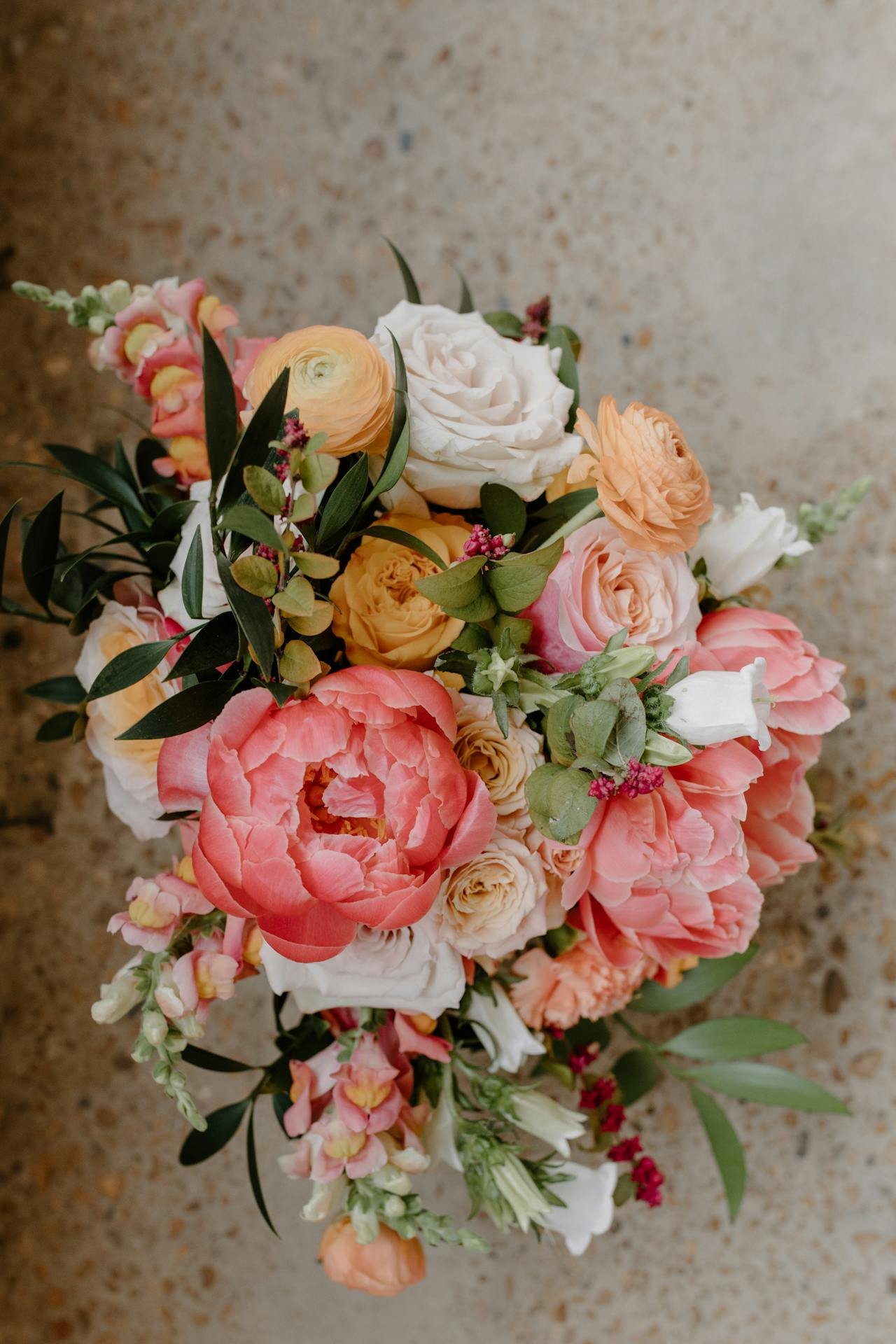
Our most popular flower bouquet with our customers is our masterfully crafted Signature Florist’s Choice. Featuring the most seasonal selection of flower varieties and the freshest and high grade blooms.
Anniversary flowers
Whether it’s your first, or your 50th, anniversaries deserve to be celebrate with the most beautiful flowers. Our florists make every anniversary in Hong Kong one to remember.


贈送帶有球莖的花束指南
贈送帶有球莖的花束是一種既貼心又持久的方式來慶祝特殊場合。與切花不同,球莖花可以繼續生長和開花,提供一份可持續且值得珍藏的禮物。以下是關於如何選擇、呈現和護理球莖花束的指南。
如何選擇適合的球莖花
在選擇球莖花束時,請考慮:
季節性: 選擇當季球莖,以確保花朵的新鮮度和持久性。
香氣: 風信子和百合散發迷人香氣。
象徵意義: 不同的花朵具有特定的象徵意義(例如,鬱金香象徵愛情,水仙花代表新生)。
耐久性: 部分球莖,如孤挺花,可在室內多年重複開花。
適合花束的熱門球莖花
鬱金香 – 優雅且顏色多樣。
風信子 – 芬芳且色彩鮮豔。
水仙花 – 明亮且充滿活力。
孤挺花 – 大膽且奪目。
番紅花 – 纖細且早春開花。
花束呈現方式
麻布或紙張包裹: 營造自然且樸實的風格。
盆栽設計: 保持球莖完整,便於重新種植。
玻璃花瓶搭配苔蘚: 提供現代感,同時展示球莖的生長狀態。
個性化留言: 附上一張手寫卡片,增添溫馨感。
贈送後的護理建議
澆水: 保持土壤濕潤但避免積水。
日照: 放置於明亮的間接陽光處。
重新種植: 花朵凋謝後,可將球莖移植至花園,以供來年再度綻放。
溫度: 保持適中溫度,防止花朵過早枯萎。
贈送帶有球莖的花束,不僅帶來當下的美麗,更讓收禮者享受未來持續盛開的驚喜,使其成為一份真正特別且可持續的禮物。
Guide to Gifting Flower Bouquets with Bulbs
Gifting flower bouquets with bulbs is a thoughtful and lasting way to celebrate special occasions. Unlike cut flowers, bulb flowers continue to grow and bloom, offering a sustainable and memorable gift. Below is a guide to selecting, presenting, and caring for bulb-based bouquets.
Choosing the Right Bulbs for Your Bouquet
When selecting flowers for a bulb bouquet, consider:
Seasonality: Choose bulbs that are in season to ensure freshness and longevity.
Fragrance: Hyacinths and lilies offer a pleasant aroma.
Symbolism: Different flowers carry unique meanings (e.g., tulips symbolize love, daffodils represent renewal).
Longevity: Some bulbs, like amaryllis, can rebloom indoors for years.
Popular Bulb Flowers for Bouquets
Tulips – Elegant and available in many colors.
Hyacinths – Fragrant and vibrant.
Daffodils – Bright and cheerful.
Amaryllis – Bold and striking.
Crocuses – Delicate and early bloomers.
Presentation Ideas
Wrapped in Burlap or Paper: Natural and rustic presentation.
Potted Arrangements: Keeps the bulbs intact for replanting.
Glass Vase with Moss: Provides a contemporary look while showcasing bulb growth.
Personalized Note: Adding a handwritten message enhances the sentimental value.
Care Tips for the Recipient
Watering: Keep soil moist but not waterlogged.
Sunlight: Place in a bright, indirect sunlight location.
Replanting: Once flowers fade, plant bulbs in the garden for future blooms.
Temperature: Maintain at a moderate temperature to prevent premature wilting.
Gifting a flower bouquet with bulbs offers beauty beyond the moment. With proper care, the recipient can enjoy continuous blooms, making it a truly special and sustainable gift.
世界詩歌中花卉主題指南
花卉長久以來在世界各地的詩歌中作為象徵性主題,無論是代表美麗、愛情、短暫性還是生命的週期,它們都成為表達人類經歷的隱喻。這本指南探討了花卉在世界詩歌中的重要性,並展示了它們在不同文化中如何被用來傳達情感、意義和哲學思想。
1. 花卉作為美麗與愛情的象徵
在許多文化中,花卉象徵著生命的短暫美麗以及人類存在的脆弱性。它們經常被用來傳達浪漫愛情、慾望和吸引力。
西方詩歌: 在西方傳統中,花卉,特別是玫瑰,已成為愛情的象徵。花卉在詩歌中的使用可以追溯到古希臘和古羅馬詩歌,像薩福和奧維德等詩人常將花卉作為愛與美的象徵。例如,莎士比亞的《十八號十四行詩》將摯愛的美麗比作夏日,而短暫的美麗則像花朵的短暫綻放。
例子:威廉·布萊克的《病玫瑰》探討了隱藏的腐敗與失落的純真,將枯萎的玫瑰作為情感衰退的隱喻。
東方詩歌: 在波斯詩歌中,玫瑰同樣是愛與美的核心象徵。像哈菲茲和魯米等詩人使用玫瑰來象徵神聖的愛與靈性渴望,常將摯愛與一朵光輝的花朵聯繫在一起。
例子:哈菲茲的詩歌經常用玫瑰的形象來代表神聖愛的純潔與完美,其中愛人渴望神性的美麗與芬芳。
2. 花卉作為短暫性的隱喻
花卉經常被用來象徵生命、死亡與時間的流逝。它們短暫的美麗提醒詩人死亡的必然性以及人類存在的短暫。
日本俳句: 在日本詩歌中,尤其是俳句,櫻花(sakura)等花卉在傳達生命短暫性方面扮演著重要角色。櫻花是短暫美麗的象徵,也是“物哀”——對萬物無常的敏感體悟的表現。
例子:松尾芭蕉的俳句捕捉了這種無常的主題:
“蠟燭的光 / 被轉移到另一根蠟燭上— / 春天的黃昏。”
印度詩歌: 在古典印度詩歌中,像蓮花這樣的花卉具有重要的象徵意義。蓮花代表著精神的成長與啟蒙,常與生死輪回的週期聯繫在一起。花朵的綻放與凋零提醒人們生命的短暫。
例子:在《薄伽梵歌》中,克里希納神提到生命的短暫性,並將其比作花朵的綻放與凋零,強調超然與追求永恆真理的重要性。
3. 花卉作為希望與重生的象徵
與其短暫性聯繫的相反,花卉也可以象徵希望、重生與再生。花卉在冬季或春天的綻放常象徵著新開始和生命的循環。
西方詩歌: 在浪漫主義傳統中,像威廉·華茲華斯和珀西·比希·雪萊的詩歌中,花卉象徵著人類精神的重生與新開始的承諾。華茲華斯的《春天的早晨》強調了自然界的恢復力,將花卉的綻放與希望的重生聯繫在一起。
例子:“通過報春花叢,在那綠色的涼亭中, / 蔓延著長春花的花環; / 我相信每一朵花 / 都享受著它呼吸的空氣。”
非洲詩歌: 在非洲詩歌中,花卉經常用作堅韌與重生的象徵。例如,非洲金盞花象徵著力量與勇氣,經常出現在讚美克服逆境的詩歌中。
4. 花卉作為精神或神秘的象徵
在許多文化中,花卉具有精神層面的意義,象徵著純潔、神聖與超越。
蘇非詩歌: 在蘇非神秘主義中,花卉經常用來象徵神聖的美與人類靈魂與神的合一。魯米的詩歌尤其充滿了將花卉作為靈性覺醒與對神的愛的隱喻。
例子:“我是花朵,你是花園, / 一起我們就是展開的宇宙。”
基督教詩歌: 在基督教的宗教詩歌中,花卉常被用來象徵神的恩典、無辜與聖母瑪利亞的純潔。百合花尤其是純潔與神聖女性的象徵。
例子:約翰·米爾頓的《失樂園》中提到花卉,將它們與神聖創造的和諧與恩典聯繫在一起。
5. 現代詩歌中的花卉
在現代詩歌中,花卉繼續以各種方式被運用,有時帶有更個人或實驗性的涵義。當代詩人可能將花卉用來反映身份、社會問題或個人經歷,常常突破傳統的象徵,創造新的含義。
美國詩歌: 在艾米莉·狄金森與西爾維亞·普拉斯的作品中,花卉被用作複雜的象徵,代表孤獨、憂鬱甚至反抗。狄金森的《草地上的窄小同伴》捕捉了不安與神秘感,其中自然界的花卉成為深層情感狀態的隱喻。
例子:“草地上的窄小同伴 / 偶爾會騎過— / 你是否遇見過他— / 他的注意即刻。”
當代生態詩歌: 生態詩人常將花卉和植物作為環境主義的象徵,強調自然的脆弱性,並呼籲讀者關注人類活動對自然世界的影響。
花卉在詩歌中的主題跨越了文化的界限,為詩人提供了豐富且富有表現力的象徵,能夠觸及人類經歷的核心。不論是代表愛、 美、死亡還是重生,花卉在詩歌的頁面中不斷綻放,提供了對生命最深刻真理的永恆反思。
Guide to the Theme of Flowers in World Poetry
Flowers have long been used as a symbolic motif in poetry across cultures and time periods. Whether representing beauty, love, transience, or the cycles of life, they serve as metaphors for a variety of human experiences. This Bloom & Song Florist guide explores the significance of flowers in world poetry, illustrating how they are employed in different traditions to convey emotion, meaning, and philosophical ideas.
1. Flowers as Symbols of Beauty and Love
In many cultures, flowers symbolize the ephemeral beauty of life and the delicate nature of human existence. They are often used to convey romantic love, desire, and attraction.
Western Poetry: In the Western tradition, flowers, particularly roses, are iconic symbols of love. The use of flowers in poetry can be traced back to ancient Greek and Roman poetry, where poets like Sappho and Ovid often used flowers to represent love and beauty. For instance, in Shakespeare's Sonnet 18, the beauty of the beloved is compared to a summer’s day, and the fleeting nature of beauty is compared to the brief bloom of a flower.
Example: William Blake’s “The Sick Rose” explores themes of hidden corruption and lost innocence, using the image of a wilting rose as a metaphor for emotional decay.
Eastern Poetry: In Persian poetry, the rose is similarly a central symbol of love and beauty. Poets like Hafez and Rumi use the rose as a metaphor for divine love and spiritual longing, often associating the beloved with a radiant flower.
Example: Hafez’s poetry frequently invokes the image of a rose to represent the purity and perfection of spiritual love, where the lover longs for the beauty and fragrance of the divine.
2. Flowers as Metaphors for Transience
Flowers are often used to represent the fleeting nature of life, death, and the passage of time. Their short-lived beauty reminds poets of the inevitability of mortality and the temporality of human existence.
Japanese Haiku: In Japanese poetry, particularly in haiku, flowers such as cherry blossoms (sakura) play a central role in conveying the transience of life. The cherry blossom is a quintessential symbol of fleeting beauty and the idea of "mono no aware"—the awareness of the impermanence of all things.
Example: Matsuo Basho's haiku captures this theme of impermanence:
"The light of a candle / Is transferred to another candle— / Spring twilight."
Indian Poetry: In classical Indian poetry, flowers like the lotus hold great symbolic significance. The lotus represents spiritual growth and enlightenment, often associated with the cycle of birth, death, and rebirth. The impermanence of the flower’s bloom is a reminder of life’s ephemeral nature.
Example: In the Bhagavad Gita, Lord Krishna refers to the fleeting nature of life, comparing it to the bloom and decay of flowers, emphasizing the importance of detachment and the pursuit of eternal truth.
3. Flowers as Symbols of Hope and Renewal
In contrast to their association with impermanence, flowers can also represent hope, renewal, and regeneration. The blossoming of flowers after winter or in the spring often symbolizes new beginnings and the cyclical nature of life.
Western Poetry: In the Romantic tradition, poets like William Wordsworth and Percy Bysshe Shelley used flowers to symbolize the renewal of the human spirit and the promise of new beginnings. Wordsworth’s “Lines Written in Early Spring” highlights the rejuvenating power of nature, drawing connections between the blooming flowers and the renewal of hope.
Example: "Through primrose tufts, in that green bower, / The periwinkle trailed its wreaths; / And 'tis my faith that every flower / Enjoys the air it breathes."
African Poetry: In African poetry, flowers are often used as symbols of resilience and rebirth. For example, the African marigold, symbolizing strength and courage, appears frequently in poems that celebrate overcoming adversity.
4. Flowers as Spiritual or Mystical Symbols
In many cultures, flowers carry spiritual significance, acting as symbols of purity, divinity, and transcendence.
Sufi Poetry: In Sufi mysticism, flowers are frequently used to represent divine beauty and the union between the human soul and the divine. Rumi’s poetry, in particular, is filled with references to flowers as metaphors for spiritual awakening and love for the Divine.
Example: “I am the flower, you are the garden, / Together we are the universe unfolding."
Christian Poetry: In Christian religious poetry, flowers are often used to symbolize divine grace, innocence, and the purity of the Virgin Mary. The lily, in particular, is a symbol of purity and the divine feminine.
Example: John Milton’s Paradise Lost includes references to flowers as symbols of both earthly beauty and divine creation, linking them to the greater themes of divine harmony and grace.
5. Flowers in Contemporary Poetry
In modern poetry, flowers continue to be employed in various ways, sometimes with more personal or experimental connotations. Contemporary poets may use flowers to reflect on identity, social issues, or personal experiences, often breaking from traditional symbolism to create new meanings.
American Poetry: In the works of poets like Emily Dickinson and Sylvia Plath, flowers are used as complex symbols of isolation, melancholy, or even defiance. Dickinson’s “A Narrow Fellow in the Grass” captures a sense of unease and mystery, where the natural world, including flowers, becomes a metaphor for deeper emotional states.
Example: "A Narrow Fellow in the Grass / Occasionally rides — / You may have met him — did you not / His notice instant is —"
Contemporary Ecopoetry: Ecopoets often use flowers and plants as symbols for environmentalism and the fragility of nature, urging readers to consider the impact of human activities on the natural world.
The motif of flowers in poetry transcends cultural boundaries, providing poets with a versatile and evocative symbol that speaks to the heart of the human condition. Whether representing love, beauty, death, or renewal, flowers continue to bloom in the pages of poetry, offering timeless reflections on life’s most profound truths.
A Guide to Flowers Featured in English Poetry Through the Ages
Flowers have long been a source of inspiration for poets, symbolizing emotions, themes, and the beauty of nature. From the medieval period to the modern era, English poetry has been enriched by the imagery and symbolism of flowers. This Bloom & Song Florist guide explores some of the most iconic flowers that have bloomed in the verses of English poets.
1. The Rose
The rose is perhaps the most celebrated flower in English poetry, symbolizing love, beauty, and passion. Its timeless appeal has made it a favorite among poets across centuries.
- Medieval and Renaissance Poetry: In works like *The Romance of the Rose* (translated into English in the Middle Ages), the rose represents courtly love and unattainable beauty. Shakespeare frequently used roses in his sonnets, such as Sonnet 18 ("Shall I compare thee to a summer's day?") and Sonnet 54, where he writes, "The rose looks fair, but fairer we it deem / For that sweet odour which doth in it live."
- Romantic Era: William Blake’s *The Sick Rose* uses the flower as a metaphor for innocence corrupted: "O Rose, thou art sick! / The invisible worm / That flies in the night / In the howling storm / Has found out thy bed / Of crimson joy."
2. The Daffodil
The daffodil, with its bright yellow petals, symbolizes rebirth, hope, and the arrival of spring. It is most famously associated with the Romantic poet William Wordsworth.
- William Wordsworth’s *I Wandered Lonely as a Cloud*: This poem immortalizes the daffodil as a symbol of joy and inspiration. Wordsworth writes, "A host, of golden daffodils; / Beside the lake, beneath the trees, / Fluttering and dancing in the breeze."
3. The Violet
The violet, often associated with modesty, faithfulness, and humility, has appeared in poetry as a delicate and understated flower.
- Shakespeare’s *Hamlet*: In Ophelia’s famous speech, she hands out flowers with symbolic meanings, saying, "I would give you some violets, but they withered all when my father died." Here, violets represent faithfulness and the loss of innocence.
- Tennyson’s *In Memoriam A.H.H.*: The violet is used to convey grief and remembrance: "And from his ashes may be made / The violet of his native land."
4. The Lily
The lily, often associated with purity, innocence, and transcendence, has been a recurring motif in English poetry.
- William Blake’s *The Lily*: Blake contrasts the lily’s purity with the rose’s passion: "The modest Rose puts forth a thorn, / The humble Sheep a threat’ning horn: / While the Lily white shall in love delight, / Nor a thorn nor a threat stain her beauty bright."
- Alfred, Lord Tennyson’s *The Lady of Shalott*: The lily is used to symbolize the Lady’s purity and tragic fate: "Willows whiten, aspens quiver, / Little breezes dusk and shiver / Through the wave that runs for ever / By the island in the river / Flowing down to Camelot. / Four gray walls, and four gray towers, / Overlook a space of flowers, / And the silent isle imbowers / The Lady of Shalott."
5. The Poppy
The poppy, often linked to sleep, death, and remembrance, has been a powerful symbol in war poetry.
- John McCrae’s *In Flanders Fields*: This World War I poem uses the poppy to commemorate fallen soldiers: "In Flanders fields the poppies blow / Between the crosses, row on row."
- Siegfried Sassoon’s *The Rear-Guard*: The poppy appears as a symbol of the fragility of life amidst the horrors of war.
6. The Daisy
The daisy, symbolizing innocence, simplicity, and new beginnings, has been a favorite of poets for its unpretentious beauty.
- Geoffrey Chaucer’s *The Legend of Good Women*: Chaucer describes the daisy as a symbol of purity and devotion: "Of all the floures in the mede, / Than love I most these floures white and rede, / Swiche as men callen daysyes in our toun."
- William Wordsworth’s *To the Daisy*: Wordsworth celebrates the flower’s humble charm: "With little here to do or see / Of things that in the great world be, / Sweet Daisy! oft I talk to thee / For thou art worthy."
7. The Bluebell
The bluebell, often associated with humility, constancy, and the English countryside, has inspired poets with its delicate beauty.
- Gerard Manley Hopkins’ *The Bluebell*: Hopkins captures the flower’s ethereal quality: "The bluebell bows, the bluebell blows, / And nods and curtseys as it goes."
8. The Primrose
The primrose, symbolizing youth, renewal, and early spring, has been a recurring motif in pastoral poetry.
- John Milton’s *Lycidas*: Milton uses the primrose to evoke the beauty of nature: "Bring the rathe primrose that forsaken dies."
- William Wordsworth’s *The Primrose of the Rock*: Wordsworth reflects on the flower’s resilience and beauty.
9. The Marigold
The marigold, often associated with the sun, constancy, and resilience, has appeared in poetry as a symbol of devotion.
- Shakespeare’s *The Winter’s Tale*: The marigold is mentioned as a flower that follows the sun: "The marigold, that goes to bed wi’ the sun / And with him rises weeping."
10. The Snowdrop
The snowdrop, symbolizing hope, purity, and the arrival of spring, has been a favorite of poets for its ability to bloom in winter.
- Tennyson’s *The Snowdrop*: Tennyson describes the flower as a harbinger of hope: "Many, many welcomes, / February fair-maid, / Ever as of old time, / Solitary firstling, / Coming in the cold time, / Prophet of the gay time, / Prophet of the May time, / Prophet of the roses, / Many, many welcomes, / February fair-maid!"
Flowers have been a timeless source of inspiration for English poets, serving as symbols of love, beauty, grief, and hope. From the romantic rose to the humble daisy, each flower carries its own unique meaning and has left an indelible mark on the landscape of English poetry. Whether blooming in a medieval garden or a modern verse, these flowers continue to captivate readers and evoke the enduring power of nature’s beauty.
考古藝術中的花卉指南
花卉在藝術中已有數千年的歷史,出現在古代墓葬、馬賽克、壁畫、陶器和雕塑中。它們在不同文化中承載著象徵、宗教或裝飾性的意義。本指南探討花卉在不同考古藝術傳統中的角色。
1. 古埃及藝術中的花卉
象徵意義與用途
蓮花(Nymphaea caerulea)是埃及藝術中最重要的花卉,象徵著重生、創造與太陽。
紙莎草常與蓮花一起出現在藝術作品中,代表下埃及,並與書寫與知識相關。
花環常見於墓葬壁畫和實際埋葬儀式中,象徵榮耀與來世。
藝術表現
墓葬壁畫中描繪神明手持蓮花。
寺廟浮雕中描繪法老向諸神獻花。
考古發掘出土的花環,顯示花卉在喪葬習俗中的重要性。
2. 美索不達米亞藝術中的花卉
象徵意義與用途
玫瑰花飾(Rosette)可能源於風格化的蓮花或棕櫚葉,象徵神聖與權力。
生命之樹(Tree of Life)圖騰包含花卉與植物,與生育與神聖秩序相關。
藝術表現
圓筒印章(Cylinder seals)描繪國王或神祇與花卉圖案。
王宮與寺廟裝飾著花卉浮雕。
巴比倫的伊什塔爾門(Ishtar Gate)上刻有花卉裝飾,與動物圖案並列。
3. 古希臘與古羅馬藝術中的花卉
象徵意義與用途
月桂花環由月桂葉與花朵編織而成,象徵勝利與神聖祝福。
玫瑰與百合與愛與美有關(與阿芙羅狄忒/Venus 女神相關)。
罌粟花與得墨忒耳(Demeter)與睡神(Hypnos)相關,象徵睡眠與豐收。
藝術表現
羅馬別墅馬賽克與壁畫描繪華麗的花卉裝飾(如龐貝的維提之家 House of the Vettii)。
浮雕雕塑中常見花卉裝飾元素。
瓦斯繪畫(Vase paintings)描繪花環、花冠與裝飾花卉。
4. 印度藝術中的花卉
象徵意義與用途
蓮花在印度教、佛教與耆那教(Jainism)中佔有核心地位,象徵純潔、啟悟與神聖誕生。
茉莉與萬壽菊(Marigold)常與神明崇拜與寺廟供奉相關。
藝術表現
佛陀與印度神祇的雕像常坐於蓮花座之上。
寺廟雕刻包含精美的花卉裝飾。
阿旃陀石窟(Ajanta Caves)壁畫描繪大自然與花卉元素。
5. 中國與東亞藝術中的花卉
象徵意義與用途
牡丹象徵富貴與榮耀。
菊花代表長壽與堅韌。
梅花象徵堅韌與純潔。
藝術表現
絲綢卷軸畫描繪細膩的花卉組合。
瓷器、紡織品與漆器常見花卉圖案。
寺廟壁畫中常描繪象徵性的花卉景觀。
6. 前哥倫布時期(Pre-Columbian)藝術中的花卉
象徵意義與用途
阿茲特克文化中的萬壽菊與太陽與死亡儀式相關。
瑪雅藝術中的睡蓮象徵生育與冥界。
藝術表現
手抄本(Codices)描繪祭司在儀式中獻花。
神廟石雕中包含花卉元素的裝飾圖案。
邦安帕克(Bonampak)壁畫描繪花卉頭飾與供品。
考古藝術中的花卉不僅僅是裝飾,而是在各種文化中具有深遠的象徵意義。無論是代表神聖力量、生育、死亡還是美麗,這些花卉圖案仍然為我們提供了對古代信仰與藝術傳統的深入理解。
歷代中國詩歌中出現的花卉指南
花卉在中國文化中佔有特殊的地位,數千年來象徵著美麗、美德和生命的短暫。中國詩人長期以來以花卉為隱喻,表達情感、哲學思想以及人與自然的和諧。本指南探討了在不同朝代的中國詩歌中綻放的一些最具代表性的花卉。
1. 梅花 (梅花, Méihuā)
梅花在冬季盛開,象徵著堅韌、毅力和希望。它是中國藝術和文學中「四君子」之一,代表著在逆境中優雅地堅持的美德。
- 唐代:王安石寫道:「牆角數枝梅,凌寒獨自開」,強調了梅花在逆境中茁壯成長的能力。
- 宋代:陸游在《詠梅》中讚美梅花的純潔和力量:「零落成泥碾作塵,只有香如故」。
2. 牡丹 (牡丹, Mǔdān)
牡丹被稱為「花中之王」,象徵著財富、繁榮和女性之美。它常與文化繁榮的唐代聯繫在一起。
- 唐代:李白在《清平調》中描述了牡丹的壯麗:「雲想衣裳花想容,春風拂檻露華濃」。
- 宋代:歐陽修在《牡丹亭》中寫道牡丹的短暫之美:「唯有牡丹真國色,花開時節動京城」。
3. 菊花 (菊花, Júhuā)
菊花是「四君子」之一,象徵長壽、高貴和秋季。它常與隱逸和道德操守聯繫在一起。
- 唐代:陶淵明在《飲酒》中寫道:「採菊東籬下,悠然見南山」。
- 宋代:蘇軾在《詠菊》中讚美菊花的堅韌:「寧可枝頭抱香死,何曾吹落北風中」。
4. 荷花 (荷花, Héhuā)
荷花生長在泥濘的水中卻不染污垢,象徵純潔、覺悟和心靈的覺醒。它與佛教和儒家思想有深厚的聯繫。
- 唐代:李白寫道:「清水出芙蓉,天然去雕飾」,強調了荷花的自然之美。
- 宋代:周敦頤在《愛蓮說》中讚美荷花:「出淤泥而不染,濯清漣而不妖」。
5. 蘭花 (蘭花, Lánhuā)
蘭花是「四君子」之一,代表優雅、精緻和道德操守。它常與學者和追求美德聯繫在一起。
- 唐代:李白寫道:「幽蘭生前庭,含薰待清風」。
- 宋代:蘇軾將蘭花的靜謐之美比作高尚之人的美德:「蘭之猗猗,揚揚其香」。
6. 桃花 (桃花, Táohuā)
桃花象徵愛情、浪漫和生命的短暫。它常與春天和理想中的烏托邦世界聯繫在一起。
- 唐代:崔護在《題都城南莊》中寫道:「去年今日此門中,人面桃花相映紅」。
- 宋代:陶潛在《桃花源記》中描述了一個烏托邦世界:「忽逢桃花林,夾岸數百步」。
7. 櫻花 (櫻花, Yīnghuā)
雖然櫻花更常與日本文化聯繫在一起,但它也出現在中國詩歌中,象徵生命的短暫之美。
- 唐代:王維寫道:「櫻花永巷垂楊岸」。
- 現代:徐志摩將櫻花的短暫之美比作愛情和生命的短暫。
8. 芙蓉 (芙蓉, Fúróng)
芙蓉,特別是「木芙蓉」,象徵著精緻的美麗和季節的變化。它常與四川地區聯繫在一起。
- 唐代:杜甫寫道:「花重錦官城」,指的是成都的芙蓉花。
- 宋代:蘇軾在《詠芙蓉》中讚美芙蓉:「芙蓉如面柳如眉」。
9. 玉蘭 (玉蘭, Yùlán)
玉蘭以其大而芬芳的花朵象徵純潔、高貴和春天的到來。
- 唐代:李白寫道:「玉蘭花發滿庭芳」。
- 宋代:蘇軾將玉蘭的優雅比作貴婦的風姿。
10. 臘梅 (臘梅, Làméi)
臘梅在寒冷的冬季盛開,象徵著堅韌和春天的希望。
- 宋代:陸游寫道:「臘梅香裡說豐年」。
- 明代:高啟讚美臘梅在惡劣條件下盛開的能力。
花卉一直是中國詩歌中靈感的永恆來源,作為美德、美麗和自然循環的象徵。從堅韌的梅花到純潔的荷花,每種花卉都承載著獨特的意義,並在中國文學的景觀中留下了不可磨滅的印記。無論是在唐代的花園中綻放,還是在現代的詩句中盛開,這些花卉繼續吸引著讀者,並喚起人與自然之間持久的和諧。
情人節送花習俗的起源指南
情人節在每年的2月14日慶祝,象徵著愛情、浪漫和送花的傳統。但這個美麗的習俗是如何開始的呢?本指南探討了情人節送花的歷史和文化根源,追溯其演變成為我們今天所熟知的習俗的過程。
1. 古代根源:花朵與愛情的聯繫
花朵與情感之間的聯繫可以追溯到古代文明。在希臘和羅馬神話中,花朵經常與愛神聯繫在一起。例如:
- 玫瑰:玫瑰是希臘神話中的阿芙羅狄蒂(Aphrodite)和羅馬神話中的維納斯(Venus)的神聖象徵。根據神話,玫瑰從阿芙羅狄蒂的眼淚和她的情人阿多尼斯(Adonis)的鮮血中生長出來。
- 花的語言:古代文化使用花朵來傳遞訊息和情感,為18世紀和19世紀流行的「花的語言」(花語)奠定了基礎。
2. 牧神節:一個異教節日
在情人節成為基督教節日之前,羅馬人會慶祝牧神節(Lupercalia),這是一個在二月中旬舉行的生育節日。在這個節日期間,儀式包括通過抽籤系統將男女配對,花朵常被用作裝飾和生育與新開始的象徵。雖然這與送花沒有直接關聯,但這個節日為這個季節的浪漫聯想做出了貢獻。
3. 聖瓦倫丁的傳說
情人節的基督教化與聖瓦倫丁的故事有關,他是一位生活在3世紀的羅馬神父。根據傳說:
- 聖瓦倫丁為士兵秘密主持婚禮,違反了克勞狄烏斯二世(Claudius II)禁止年輕男子結婚的命令。
- 在監禁期間,他據說給獄卒的女兒送了一張紙條,署名「來自你的瓦倫丁」,並附上一朵花。這個行為常被認為是最早將花朵與浪漫舉動結合的例子之一。
4. 中世紀:宮廷愛情與花的象徵
在中世紀,歐洲盛行「宮廷愛情」的概念。騎士和貴族通過贈送禮物表達對女士的愛慕,其中包括花朵。玫瑰尤其成為秘密和激情的象徵,因為戀人們會在開滿鮮花的花園中相會。
5. 維多利亞時代:花的語言
在維多利亞時代(19世紀),情人節送花的習俗變得非常流行。這個時期出現了「花語」,這是一種編碼語言,每種花都有特定的含義。例如:
- 紅玫瑰:象徵深沉的愛與激情。
- 鬱金香:代表愛的宣言。
- 康乃馨:傳達欽佩與迷戀。
維多利亞時代的人們用花束來表達社會規範常常禁止他們公開說出的情感。情人節成為傳遞這些花語訊息的完美場合。
6. 商業化與現代傳統
到了20世紀,情人節已成為一個重要的商業節日,花卉產業在推廣送花傳統方面發揮了重要作用。紅玫瑰尤其成為情人節的經典禮物,這要歸功於它們與浪漫和美麗的聯繫。花店和廣告商強調花朵是愛情的終極表達,使這一習俗在現代文化中得以鞏固。
7. 為什麼送花?傳統背後的心理學
花朵具有超越文化和時間的普遍吸引力。它們的美麗、香氣和短暫的特性使它們成為愛、欣賞和情感的強大象徵。研究甚至表明,收到花朵可以喚起幸福感並加強情感聯繫,使它們成為情人節的完美禮物。
8. 現代送花趨勢
如今,情人節送花的傳統仍在不斷演變。雖然紅玫瑰仍然是經典選擇,但人們現在也嘗試各種不同的花卉,包括:
- 混合花束:將玫瑰與百合、鬱金香或雛菊結合,增添個性化的風格。
- 異國花卉:蘭花和帝王花,打造獨特而奢華的禮物。
- 環保選擇:盆栽植物或本地採購的花卉,適合注重環保的送禮者。
情人節送花的習俗是一個具有深厚歷史根源的美麗傳統。從古代神話和羅馬節日到維多利亞時代的花語和現代商業化,花朵一直是表達愛與情感的永恆方式。無論你選擇一朵紅玫瑰還是一束精心設計的花束,你都在參與一個延續數世紀的愛情慶典。
A Guide to the Origins of Flower Gifting on Valentine's Day
Valentine's Day, celebrated on February 14th, is synonymous with love, romance, and the tradition of gifting flowers. But how did this beautiful practice begin? This Bloom & Song HK Florist guide explores the historical and cultural roots of flower gifting on Valentine's Day, tracing its evolution into the beloved custom we know today.
1. Ancient Roots: The Connection Between Flowers and Love
The association between flowers and emotions dates back to ancient civilizations. In Greek and Roman mythology, flowers were often linked to gods and goddesses of love. For example:
- Roses: The rose was sacred to Aphrodite (Greek) and Venus (Roman), the goddesses of love. According to myth, roses grew from the tears of Aphrodite and the blood of her lover, Adonis.
- Floral Language: Ancient cultures used flowers to convey messages and emotions, laying the groundwork for the "language of flowers" (floriography) that became popular in the 18th and 19th centuries.
2. The Feast of Lupercalia: A Pagan Festival
Before Valentine's Day became a Christian holiday, the Romans celebrated Lupercalia, a fertility festival held in mid-February. During this festival, rituals included pairing men and women through a lottery system, and flowers were often used as decorations and symbols of fertility and new beginnings. While not directly linked to flower gifting, this festival contributed to the romantic associations of the season.
3. The Legend of St. Valentine
The Christianization of Valentine's Day is tied to the story of St. Valentine, a Roman priest who lived in the 3rd century. According to legend:
- St. Valentine performed secret marriages for soldiers, defying Emperor Claudius II's ban on marriage for young men.
- While imprisoned, he allegedly sent a note to the jailer's daughter, signed "From your Valentine," accompanied by a flower. This act is often cited as one of the earliest examples of combining flowers with romantic gestures.
4. The Middle Ages: Courtly Love and Flower Symbolism
During the Middle Ages, the concept of courtly love flourished in Europe. Knights and nobles expressed their admiration for ladies through tokens of affection, including flowers. The rose, in particular, became a symbol of secrecy and passion, as lovers would meet in gardens adorned with blooming flowers.
5. The Victorian Era: The Language of Flowers
The practice of gifting flowers on Valentine's Day gained widespread popularity during the Victorian era (19th century). This period saw the rise of floriography, a coded language where each flower carried a specific meaning. For example:
- Red Roses: Symbolized deep love and passion.
- Tulips: Represented declaration of love.
- Carnations: Conveyed admiration and fascination.
Victorians used flower bouquets to express feelings that societal norms often prevented them from saying aloud. Valentine's Day became the perfect occasion to send these floral messages.
6. Commercialization and Modern Traditions
By the 20th century, Valentine's Day had become a major commercial holiday, and the flower industry played a significant role in promoting the tradition of gifting flowers. Red roses, in particular, became the quintessential Valentine's Day gift, thanks to their association with romance and beauty. Florists and advertisers emphasized the idea that flowers were the ultimate expression of love, solidifying the practice in modern culture.
7. Why Flowers? The Psychology Behind the Tradition
Flowers have a universal appeal that transcends cultures and time. Their beauty, fragrance, and ephemeral nature make them powerful symbols of love, appreciation, and emotion. Studies have even shown that receiving flowers can evoke happiness and strengthen emotional connections, making them the perfect gift for Valentine's Day.
8. Modern Flower Gifting Trends
Today, the tradition of gifting flowers on Valentine's Day continues to evolve. While red roses remain a classic choice, people now experiment with a variety of blooms, including:
- Mixed Bouquets: Combining roses with lilies, tulips, or daisies for a personalized touch.
- Exotic Flowers: Orchids and proteas for a unique and luxurious statement.
- Sustainable Options: Potted plants or locally sourced flowers for eco-conscious gifting.
The practice of gifting flowers on Valentine's Day is a beautiful tradition with deep historical roots. From ancient myths and Roman festivals to Victorian floriography and modern commercialization, flowers have always been a timeless way to express love and affection. This Valentine's Day, whether you choose a single red rose or an elaborate bouquet, you're participating in a centuries-old celebration of love.
Guide to Flowers Used in Cosmetics
Flowers have been used in cosmetics for centuries due to their natural properties that enhance beauty, provide nourishment, and promote skin health. Many cosmetic brands incorporate flower extracts, essential oils, and petals into their products for their soothing, anti-aging, and aromatic benefits. Below is a guide to some of the most commonly used flowers in cosmetics and their benefits.
1. Rose (Rosa damascena, Rosa centifolia)
Uses: Found in facial toners, moisturizers, serums, and perfumes.
Benefits: Hydrates, soothes, and tones the skin; rich in antioxidants; has anti-inflammatory properties; provides a delicate fragrance.
2. Lavender (Lavandula angustifolia)
Uses: Used in lotions, facial mists, serums, and essential oils.
Benefits: Calms and soothes the skin; antibacterial properties help prevent acne; reduces redness and irritation; promotes relaxation with its scent.
3. Chamomile (Matricaria chamomilla, Chamaemelum nobile)
Uses: Found in facial creams, eye serums, and soothing balms.
Benefits: Anti-inflammatory and calming; helps soothe sensitive or irritated skin; reduces redness and puffiness.
4. Jasmine (Jasminum officinale, Jasminum sambac)
Uses: Common in perfumes, body lotions, and face oils.
Benefits: Moisturizing and soothing; helps improve skin elasticity; has a relaxing and uplifting aroma.
5. Hibiscus (Hibiscus sabdariffa)
Uses: Found in face masks, scrubs, and anti-aging creams.
Benefits: Rich in natural acids that gently exfoliate the skin; boosts collagen production; helps reduce hyperpigmentation.
6. Calendula (Calendula officinalis)
Uses: Used in creams, balms, and healing ointments.
Benefits: Anti-inflammatory and antimicrobial; promotes wound healing; ideal for sensitive or dry skin.
7. Lotus (Nelumbo nucifera)
Uses: Found in hydrating gels, face masks, and serums.
Benefits: Hydrates and purifies the skin; has brightening properties; rich in vitamins and antioxidants.
8. Orchid (Orchidaceae family)
Uses: Used in anti-aging creams and serums.
Benefits: Moisturizing and firming; helps reduce fine lines; protects against environmental damage.
9. Peony (Paeonia lactiflora)
Uses: Found in brightening creams and facial masks.
Benefits: Enhances skin radiance; helps with skin tone correction; has antioxidant properties.
10. Ylang-Ylang (Cananga odorata)
Uses: Common in perfumes, facial oils, and toners.
Benefits: Regulates oil production; has antibacterial properties; provides a luxurious floral scent.
How to Incorporate Flower-Based Cosmetics in Your Routine
Cleansing: Use a chamomile or lavender-infused cleanser to soothe the skin.
Toning: Rose or lotus-based toners help hydrate and balance the skin.
Moisturizing: Use a cream with orchid or peony extracts for anti-aging benefits.
Masking: Apply a hibiscus or calendula-based face mask to rejuvenate your skin.
Perfuming: Choose floral perfumes like jasmine or ylang-ylang for a natural fragrance.
Using flower-based cosmetics not only enhances skin health but also provides a sensory experience with their delicate and refreshing scents. Whether in skincare, haircare, or perfumes, these natural ingredients offer an effective and luxurious approach to beauty.
全球文學中的母親節主題指南
母親身份是文學中一個普遍的主題,跨越不同的文化、時代和文學傳統。從最早的神話故事到現代小說,作家們都探討了母親身份的多面性——她的喜悅、犧牲、痛苦和養育能力。這些主題在母親節這一天尤為引人注目,因為人們在世界各地慶祝母子之間的情感聯繫。文學作品以其豐富的聲音和視角,提供了一個深刻的方式來理解和尊敬母親。
以下指南探討了母親節主題如何在世界各地的文學作品中呈現,涵蓋不同的文學類型與運動,並提供來自不同文化的範例。
1. 養育型母親:普遍的主題
在許多文化中,母親作為養育者的形象是文學中最為核心的母親形象之一。這一主題展現了母親作為愛、舒適和保護的來源。
範例:《喜福會》 by 艾米·譚 (1989年)
艾米·譚的小說圍繞著一群華裔美國母親和她們的女兒。這些母親往往是移民,她們的愛透過犧牲和奉獻表達,雖然她們表達愛的方式可能與女兒的期望不一致。這部小說探討了母親和女兒之間的文化期望,並同時慶祝作為家庭核心的母親子女之間的聯繫。
範例:《殺死一隻知更鳥》 by 哈珀·李 (1960年)
雖然這部小說的核心主題圍繞種族不公,卻也觸及了母親的養育角色,透過阿提克斯·芬奇及其對孩子的深厚道德觀。雖然阿提克斯是孩子們的主要照顧者,亞歷山大姨媽在教育Scout(他的女兒)成為一位淑女的過程中也扮演了重要角色。無論生物學母親是否在場,這些角色都強調了母愛對家庭的核心地位。
2. 犧牲的母親:愛與失落
另一個在文學中經常出現的母親形象是犧牲型母親,她的角色包含自我犧牲,有時為了孩子的福祉承受巨大的痛苦。這一主題經常與悲劇結合,表現母親的愛並不總是理想化的,反而可能涉及巨大的個人犧牲。
範例:《母親》 by 珍·巴克 (1934年)
這部小說呈現了中國母親為孩子們所做的巨大犧牲。故事中的母親願意放棄自己的快樂和舒適,來確保家人能夠過上更好的生活。珍·巴克對母親形象的描述強調了個人願望與養育責任之間的緊張關係,並展現了母親的深厚愛與奉獻。
範例:《可憐的貝洛維德》 by 托尼·莫里森 (1987年)
托尼·莫里森的《可憐的貝洛維德》中,塞瑟這個角色是愛的驅動者,對孩子的愛深沉而無條件。然後,塞瑟的犧牲卻達到了悲劇性的極限。她為了防止孩子們被奴役,做出了令人難以想像的選擇。莫里森探索了母愛中犧牲的黑暗面,並聚焦於母親與孩子之間的心理和情感困境。
3. 神話母親:母性作為創造和自然的象徵
許多文學作品,特別是神話故事,將母親描繪為自然、創造和生育的象徵。這些神話母親不僅代表著生育的力量,也象徵著生命的延續。
範例:希臘神話中的「得墨忒耳與珀爾塞福涅」
得墨忒耳與她的女兒珀爾塞福涅的故事,是關於母愛與自然力量結合的經典神話。當珀爾塞福涅被冥王哈迪斯帶走時,得墨忒耳的悲痛使得大地枯萎,象徵著母親與季節變化的深刻聯繫。這個神話不僅慶祝母愛的養育性質,也探討了失落與重生的主題。
範例:《輝夜姬物語》(日本民間故事)
這個日本故事中的母親是象徵母愛純潔與美麗的角色。輝夜姬的母親在故事中對女兒的愛深厚,並最終經歷了分離的痛苦。這個故事強調了母親與子女之間不可分割的聯繫,以及母愛中的痛苦和犧牲。
4. 奮鬥中的母親:在困境中的堅韌
許多文學作品展現了母親作為堅韌的形象,在艱難困苦的環境中為了保護和照顧孩子而奮鬥。這些故事往往強調母親所面對的社會和個人挑戰,同時表現出她們的堅定和決心。
範例:《愚昧的葡萄》 by 約翰·斯坦貝克 (1939年)
在斯坦貝克的**《愚昧的葡萄》**中,瑪·喬德這個角色展示了母親在困境中如何堅韌不拔。當家人面臨貧困和大蕭條的困境時,瑪·喬德成為家庭的支柱,將家人團結起來,經歷難以想像的困難。她的母性堅韌和決心是小說情感核心的一部分。
範例:《安妮日記》 (1947年)
雖然《安妮日記》並非專門講述母愛,但安妮·弗蘭克的日記中對她母親伊迪絲·弗蘭克的描述提供了對母親在隱匿生活中的奮鬥的洞察。安妮的文字中表現了伊迪絲為了保護家人而做出的努力,這反映了戰爭、流離失所和恐懼中的母親所面臨的挑戰。
5. 複雜的母親:矛盾與衝突
母親身份的文學表現並不總是單純的養育或犧牲,許多作品探討了母親與子女關係中的矛盾與衝突,捕捉到母愛背後的內心掙扎。
範例:《科學怪人》 by 瑪麗·雪萊 (1818年)
在**瑪麗·雪萊的《科學怪人》**中,母親的角色以一種更加黑暗和複雜的形式呈現。維克多·弗蘭肯斯坦對他所創造的怪物的拒絕,呼應了被拋棄與忽視的主題。母愛在這裡被呈現為創造的恐怖,並突顯了母性責任的沉重。
範例:《鐘罩》 by 西爾維亞·普拉斯 (1963年)
在西爾維亞·普拉斯的《鐘罩》中,埃絲特·格林伍德這個角色掙扎於是否該接受母親的身份,並質疑自己是否應該迎接這一角色或抗拒這一角色。普拉斯呈現了20世紀母親角色的模棱兩可,這反映了當時女性在追求個人和專業目標的過程中,對傳統母親角色的壓力。
6. 理想化的母親:母親形象的原型
許多文學作品呈現了一個理想化的母親形象,母親象徵著無上的優雅、智慧和堅定的愛。這些描繪是對理想母性的追求。
範例:《傲慢與偏見》 by 珍·奧斯汀 (1813年)
在奧斯汀的《傲慢與偏見》中,班奈特夫人與理想化的母親形象形成對比,她常被描繪成一個有些過於煩躁的母親。儘管如此,像凱瑟琳·德·博爾這樣的角色卻展現了一種更理想化的母親形象——端莊、冷靜並深根於傳統價值觀。儘管這些角色並非完全正面,它們依然強調了當時對母親角色的強烈文化期望。
範例:《小婦人》 by 露易莎·梅·奧爾科特 (1868年)
瑪米,四姐妹的母親,是一個道德模範、智慧和母愛的化身。在小說中,瑪米作為家庭的情感支柱,以耐心、愛和理解指導著她的女兒們。奧爾科特對瑪米的描繪呈現了一個理想化的母親形象,慶祝母愛中的同情、堅韌與無私。
母親身份一直是全球文學中的核心主題之一,無論是透過養育的力量、犧牲的精神、還是創造與自然的象徵,母親形象一直在不同文化和時期的故事中扮演著關鍵角色。這些文學作品不僅反映了母愛的多面性,還強調了這一普遍角色的挑戰與複雜性。在母親節的慶祝中,文學為我們提供了深入探索母親如何影響我們生活、塑造我們的身份,並且在更廣泛的文化敘事中扮演著至關重要角色的方式。
A Guide to Mother’s Day Themes in World Literature
Motherhood is a universal theme in literature, transcending cultures, eras, and literary traditions. From the earliest myths to modern novels, writers have explored the multifaceted nature of motherhood—its joy, sacrifice, pain, and nurturing qualities. These themes resonate especially during Mother’s Day, when people around the world celebrate the maternal bond. Literature, with its rich array of voices and perspectives, provides a profound way of understanding and honoring mothers.
This Floristry guide explores how Mother’s Day themes are woven into world literature, examining various genres and literary movements, and offering examples from different cultures.
1. The Nurturing Mother: A Universal Theme
In many cultures, the image of the mother as a nurturing figure is central to literary depictions of motherhood. This theme portrays the mother as a source of love, comfort, and protection.
Example: "The Joy Luck Club" by Amy Tan (1989)
Amy Tan’s novel revolves around the lives of Chinese-American mothers and daughters. The mothers, often immigrants, express their love through sacrifice and dedication, though their expressions of care may not always align with their daughters’ expectations. The novel explores how the cultural expectations of mothers and daughters create generational tension, while still celebrating the bond of motherhood as a core pillar of family life.
Example: "To Kill a Mockingbird" by Harper Lee (1960)
Although the novel’s central themes focus on racial injustice, it also touches upon the nurturing role of mothers through the character of Atticus Finch and his deep moral values. While Atticus is the primary caregiver to his children, his sister, Aunt Alexandra, plays a role in teaching Scout, his daughter, about what it means to be a lady. The nurturing of children, whether biological or not, shows the importance of maternal-like figures even when biological mothers are absent.
2. The Sacrificial Mother: Love and Loss
Another central theme in world literature is the sacrificial mother, whose role involves selflessness and, at times, suffering for the well-being of her child. This theme is often intertwined with tragedy, showing that motherhood is not always idyllic but can also involve immense personal sacrifice.
Example: "The Mother" by Pearl S. Buck (1934)
This novel presents a powerful depiction of a Chinese mother’s sacrifices for her children. The mother in this story is willing to give up her own happiness and comfort to ensure a better life for her family. Pearl S. Buck’s portrayal of motherhood emphasizes the tension between personal desires and the responsibility of raising children in a difficult environment.
Example: "Beloved" by Toni Morrison (1987)
In Toni Morrison’s "Beloved", the character of Sethe is driven by the overwhelming love for her children. Sethe’s sacrifice, however, reaches tragic lengths. In an attempt to prevent her children from being enslaved, she commits an unthinkable act. Morrison explores the dark side of maternal sacrifice, focusing on the psychological and emotional toll on both mother and child.
3. The Mythical Mother: Motherhood as a Symbol of Creation and Nature
Throughout history, many mythologies and ancient stories have portrayed mothers as the embodiment of nature, creation, and fertility. These mythical mothers symbolize the generative force that brings forth life and sustains it.
Example: "Demeter and Persephone" from Greek Mythology
The myth of Demeter and her daughter Persephone is a classic example of motherhood intertwined with themes of nature and renewal. When Persephone is abducted by Hades to the underworld, Demeter’s grief causes the earth to wither, symbolizing the deep connection between motherhood and the life cycle of the seasons. This myth celebrates the nurturing qualities of mothers, while also exploring the sorrow and loss that can come with being a mother.
Example: "The Tale of the Princess Kaguya" (Japanese Folklore)
In this Japanese folktale, the mother of the protagonist, Princess Kaguya, is presented as a symbol of the beauty and purity of motherhood. The tale explores the themes of maternal love, attachment, and separation, as Kaguya’s parents care for her, only to eventually experience the loss of their daughter. The legend emphasizes the transformative power of motherhood and the deep connection between mothers and daughters.
4. The Struggling Mother: Resilience in Adverse Conditions
In many literary works, mothers are portrayed as resilient figures who persevere through adversity to protect and provide for their children. These stories often highlight the social and personal challenges mothers face while reinforcing their strength and determination.
Example: "The Grapes of Wrath" by John Steinbeck (1939)
In Steinbeck’s "The Grapes of Wrath", the character of Ma Joad exemplifies the theme of the struggling mother. As the family faces poverty and the harsh realities of the Great Depression, Ma Joad emerges as a pillar of strength, holding the family together through unimaginable hardship. Her maternal resilience and determination to keep her family intact are key aspects of the novel’s emotional core.
Example: "The Diary of Anne Frank" (1947)
Though not solely focused on motherhood, Anne Frank’s diary entries provide insight into the struggles of her mother, Edith Frank, who cares for her family during their time in hiding. The emotional weight of Edith’s sacrifices is evident throughout Anne's writings, which express the challenges faced by mothers during times of war, displacement, and fear.
5. The Complex Mother: Ambivalence and Conflict
Motherhood is not always depicted as purely nurturing or sacrificial. Some literary works explore the complexities and contradictions of the mother-child relationship, capturing the ambivalence and internal conflict that can accompany this bond.
Example: "Frankenstein" by Mary Shelley (1818)
In Mary Shelley’s "Frankenstein", the theme of motherhood takes on a darker and more complex form. Victor Frankenstein’s rejection of his monstrous creation echoes themes of abandonment and neglect. The idea of motherhood here is fraught with horror, as the creation of life leads to catastrophic consequences. The novel critiques the responsibility and burden that can come with the act of creation, as well as the potential for maternal rejection.
Example: "The Bell Jar" by Sylvia Plath (1963)
In Sylvia Plath’s "The Bell Jar", the character of Esther Greenwood struggles with her perception of motherhood, questioning whether she should embrace it or resist it. Plath’s portrayal of the ambivalence that can surround motherhood reflects the changing societal expectations of women during the 20th century. The novel explores the pressure of conforming to traditional roles as a mother while also pursuing personal and professional goals.
6. The Idealized Mother: The "Mother Figure" Archetype
Many works of literature present an idealized version of motherhood, where the mother figure embodies ultimate grace, wisdom, and unyielding love. These depictions serve as aspirational models of motherhood.
Example: "Pride and Prejudice" by Jane Austen (1813)
In Jane Austen’s "Pride and Prejudice", the character of Mrs. Bennet contrasts with the idealized maternal figure, as she is often portrayed as a comically overbearing mother. However, characters like Lady Catherine de Bourgh exemplify a different type of idealized motherhood—one that is regal, composed, and firmly rooted in traditional values of propriety. While these characters are not entirely positive role models, their representations emphasize the strong cultural expectations placed on mothers during the period.
Example: "Little Women" by Louisa May Alcott (1868)
The character of Marmee, the mother of the March sisters, is a paragon of virtue, wisdom, and maternal care. Throughout the novel, Marmee serves as the emotional anchor for her family, guiding her daughters with patience, love, and understanding. Alcott’s portrayal of Marmee presents an idealized image of motherhood that celebrates compassion, resilience, and selflessness.
Motherhood has inspired some of the most profound and moving works in world literature. Whether presented as a nurturing force, a sacrificial figure, or a symbol of nature and creation, the theme of motherhood is woven throughout narratives from diverse cultures and periods. These literary works not only reflect the multifaceted nature of motherhood but also highlight the challenges and complexities that come with this universal role. As we celebrate Mother’s Day, literature provides us with a lens to explore the diverse ways in which mothers impact our lives, shaping both our personal identities and the broader cultural narratives that define us.
Guide to Native Flowers of Different Caribbean Islands
The Caribbean is home to a wide variety of stunning and unique native flowers that thrive in its tropical climate. These flowers are not only beautiful but are often deeply tied to the region's culture, traditions, and biodiversity. Here is a Bloom & Song Florist guide to some of the most remarkable native flowers from different Caribbean islands.
1. Bahamas: Yellow Elder (Tecoma stans)
Habitat: The Yellow Elder is found across the Bahamas, especially in the dry forests and coastal areas.
Appearance: The flowers are trumpet-shaped, vibrant yellow, and grow in clusters. Its long, narrow petals stand out beautifully against the green foliage.
Significance: The Yellow Elder is the national flower of the Bahamas. It represents the spirit of resilience, strength, and warmth of the Bahamian people. Its bright yellow hue is also symbolic of joy and prosperity.
2. Barbados: Pride of Barbados (Caesalpinia pulcherrima)
Habitat: Found throughout Barbados, particularly in the tropical and subtropical regions.
Appearance: The flower has striking orange and red petals with long, feathery stamens that create a dramatic, flame-like appearance.
Significance: Known as "Barbados Pride," this vibrant flower is a national symbol of the island. It reflects the colorful and lively culture of Barbados and is commonly seen in gardens and public spaces.
3. Jamaica: Lignum Vitae (Guaiacum officinale)
Habitat: Found in the coastal areas and dry forests of Jamaica.
Appearance: Lignum Vitae has small, bright blue flowers that are clustered together. It is a tree species with hard, dense wood.
Significance: The Lignum Vitae is Jamaica's national flower. It represents the resilience and endurance of the Jamaican people, as the wood of the tree is among the hardest and most durable in the world.
4. Cuba: Cuban Orchid (Cattleya mossiae)
Habitat: This orchid is found in Cuba’s humid forests and tropical rainforests.
Appearance: Known for its elegant purple, pink, and white petals, the Cuban Orchid is both stunning and fragrant. It blooms in large clusters.
Significance: The Cuban Orchid is the national flower of Cuba. It symbolizes beauty, strength, and the island’s natural richness. The flower is often associated with the country's rich cultural heritage.
5. Dominica: Bougainvillea (Bougainvillea glabra)
Habitat: Bougainvillea is native to the Caribbean but thrives particularly well in Dominica’s tropical and subtropical climates.
Appearance: The Bougainvillea produces vibrant purple, magenta, or pink flowers, which are actually bracts surrounding the true flowers. It is known for its bold colors and sprawling vines.
Significance: While not the national flower, Bougainvillea is widely celebrated in Dominica for its colorful beauty and is often used in tropical floral arrangements and decorations.
6. St. Lucia: Rose of Venezuela (Cattleya trianae)
Habitat: Found in the rainforests and highlands of St. Lucia.
Appearance: This orchid has large, fragrant white and pink flowers with delicate petals that open in elegant layers.
Significance: The Rose of Venezuela is widely admired for its delicate beauty and is a symbol of St. Lucia’s natural wealth and vibrant culture.
7. Trinidad and Tobago: Chaconia (Warszewiczia coccinea)
Habitat: Found throughout the rainforests of Trinidad and Tobago, especially in the higher altitudes.
Appearance: The Chaconia has vibrant red, flame-like flowers that bloom in clusters. The plant is commonly found on the islands’ slopes and hills.
Significance: The Chaconia is the national flower of Trinidad and Tobago, known locally as the "Pride of Trinidad." Its bold red color symbolizes the nation’s strength, unity, and cultural heritage.
8. Puerto Rico: Flor de Maga (Thespesia grandiflora)
Habitat: Found in the dry forests and coastal areas of Puerto Rico.
Appearance: The Flor de Maga has large, showy flowers with a combination of purple, yellow, and orange hues. Its blossoms are large and have a tropical, exotic appearance.
Significance: Flor de Maga is Puerto Rico’s national flower. It symbolizes the island’s vibrant cultural identity and is a symbol of Puerto Rican pride.
9. Saint Kitts and Nevis: Cahaba Lily (Hymenocallis coronaria)
Habitat: Found in the wetlands and freshwater areas of Saint Kitts and Nevis.
Appearance: The Cahaba Lily has large, white, star-shaped flowers that are very fragrant. It grows in swampy, waterlogged environments.
Significance: The Cahaba Lily is an important symbol of the natural beauty of the islands and their rich aquatic ecosystems.
10. Grenada: Spice Bush (Lindera benzoin)
Habitat: Found in the coastal regions and forests of Grenada.
Appearance: The Spice Bush has small, greenish-yellow flowers that bloom in clusters. It also has aromatic leaves that are often used in herbal remedies.
Significance: The Spice Bush is native to Grenada and represents the island’s rich tradition of spice cultivation and its tropical nature.
11. Antigua and Barbuda: Red Ginger Lily (Zingiber zerumbet)
Habitat: Found in the humid, tropical areas of Antigua and Barbuda.
Appearance: This plant produces beautiful red and orange flowers in a spiky, cone-like structure.
Significance: Red Ginger Lily is appreciated for its striking beauty and is often used in the floral arrangements of the islands. While not the national flower, it represents the vibrant culture and tropical allure of Antigua and Barbuda.
12. St. Vincent and the Grenadines: Mountain Laurel (Kalmia latifolia)
Habitat: Native to the mountainous regions of St. Vincent.
Appearance: The Mountain Laurel has small, bell-shaped flowers that bloom in clusters. It is known for its white, pink, and purple hues.
Significance: The Mountain Laurel is often associated with the natural beauty and diverse plant life found in St. Vincent and the Grenadines. It is admired for its delicate structure and vibrant colors.
The Caribbean islands are home to a stunning array of native flowers, each of which plays a vital role in the region’s natural beauty and cultural identity. From the vibrant Yellow Elder of the Bahamas to the delicate Cuban Orchid, these flowers are more than just botanical wonders—they are symbols of the islands’ rich heritage, resilience, and the tropical paradise that the Caribbean represents. Many of these flowers are celebrated not only for their beauty but also for their ecological importance, forming the heart of the diverse ecosystems that make the Caribbean so unique.
中美洲各國原生花卉指南
中美洲擁有豐富的生態系統,從茂密的熱帶雨林到乾燥的草原,這些多樣的地形為大量原生花卉提供了理想的栖息地,這些花卉不僅具有美麗的外觀,還擁有文化意義和生態價值。以下是來自中美洲不同國家的原生花卉指南。
1. 貝里斯:黑蘭花 (Prosthechea cochleariodora)
生長環境: 貝里斯的雨林和熱帶環境。
外觀特徵: 黑蘭花擁有深紫色到黑色的花瓣,帶有淡黃色的唇瓣,外觀獨特且神秘。
意義: 黑蘭花是貝里斯的國花,象徵著美麗和稀有。由於其罕見和優雅,這朵花於1990年被選為國花,代表著貝里斯豐富的自然遺產。
2. 哥斯大黎加:紫蘭花 (Guarianthe skinneri)
生長環境: 哥斯大黎加的熱帶和亞熱帶森林。
外觀特徵: 紫蘭花開放著鮮豔的紫色和粉紅色花朵,花瓣優雅,屬於蘭花科,通常花朵顯眼美麗。
意義: 紫蘭花是哥斯大黎加的國花,象徵著美麗和國家自豪感。這朵花也與哥斯大黎加的生物多樣性密切相關,廣泛分佈於國內。
3. 瓜地馬拉:白修女蘭花 (Laelia speciosa)
生長環境: 瓜地馬拉的亞熱帶和熱帶森林。
外觀特徵: 白修女蘭花擁有美麗的白色花瓣和紫色的花萼,形狀類似修女的袍子,因此得名。
意義: 白修女蘭花是瓜地馬拉的國花,象徵著純潔與和平。它在瓜地馬拉文化中具有深遠的意義,並經常出現在當地的藝術和儀式中。
4. 洪都拉斯:卡斯蒂利亞玫瑰 (Guzmania monostachia)
生長環境: 洪都拉斯的濕潤森林和山區。
外觀特徵: 卡斯蒂利亞玫瑰是鮮豔的紅色和粉紅色花朵,成簇生長,屬於鳳梨科。
意義: 卡斯蒂利亞玫瑰又名“卡斯蒂利亞玫瑰”,是洪都拉斯的象徵之一,代表該國自然的多樣性和活力,也在當地的節慶中占有一席之地。
5. 薩爾瓦多:伊索特花 (Yucca gigantea)
生長環境: 薩爾瓦多的乾燥森林和沿海地區。
外觀特徵: 伊索特花擁有長白色鐘形花,排列成大簇,植株的葉片長且尖銳。
意義: 伊索特花是薩爾瓦多的國花,象徵著力量和韌性,並代表該國多樣化的生態系統。它也在當地的料理中具有文化意義。
6. 尼加拉瓜:聖潔花 (Plumeria rubra)
生長環境: 尼加拉瓜的熱帶和亞熱帶地區。
外觀特徵: 聖潔花(也叫做雞蛋花)有香氣迷人的白色、黃色、粉紅色和紅色花朵,成簇綻放。
意義: 聖潔花是尼加拉瓜的國花,象徵著純潔和美麗。這朵花在尼加拉瓜文化中深具意義,並常見於當地的節日和儀式中。
7. 巴拿馬:艾斯帕維花 (Caryocar glabrum)
生長環境: 巴拿馬的熱帶森林和低地區。
外觀特徵: 艾斯帕維花具有鮮黃色至橙色的大圓形花朵,花瓣細長且外觀戲劇性。
意義: 艾斯帕維花是巴拿馬的象徵之一,代表著該國豐富的熱帶植物多樣性,這種花卉也與當地的建築木材有關。
8. 尼加拉瓜:黑眼金星 (Rudbeckia hirta)
生長環境: 尼加拉瓜的熱帶草原和開闊林地。
外觀特徵: 類似雛菊的花朵,黃色的花瓣圍繞著深棕色或黑色的中心。
意義: 黑眼金星雖非國花,但它因其明亮的顏色而廣受喜愛,常見於尼加拉瓜的田野和花園中,象徵著希望和快樂。
9. 巴拿馬:卡特蘭蘭花 (Cattleya trianae)
生長環境: 巴拿馬的雲霧森林和亞熱帶地區。
外觀特徵: 卡特蘭蘭花擁有艷麗的粉紅色、紫色和白色花朵,並散發香氣。
意義: 卡特蘭蘭花是巴拿馬的象徵,代表巴拿馬豐富的蘭花多樣性和美麗。這種蘭花常出現在當地的園藝和文化活動中。
10. 哥斯大黎加:螳螂花 (Heliconia rostrata)
生長環境: 常見於哥斯大黎加的雨林和熱帶地區。
外觀特徵: 螳螂花以其鮮豔的紅色、橙色或黃色花朵而聞名,花朵排列成行,彷彿懸浮在空中。
意義: 螳螂花雖非國花,但它常被視為哥斯大黎加熱帶風光的象徵,經常用於熱帶花卉佈置,代表著哥斯大黎加豐富的生物多樣性。
11. 貝里斯:海灣雪松 (Guaiacum sanctum)
生長環境: 貝里斯的沿海和乾燥森林地區。
外觀特徵: 小巧的淺紫色或藍色星形花朵成簇開放。
意義: 海灣雪松象徵著貝里斯的海岸生態系統,這些花朵在貝里斯的自然景觀中扮演重要角色,代表著該國堅韌的自然環境。
12. 瓜地馬拉:紫花木 (Jacaranda mimosifolia)
生長環境: 原生於瓜地馬拉的亞熱帶和熱帶地區。
外觀特徵: 紫花木開放著紫色或淡紫色的喇叭形花朵,成簇開放。
意義: 紫花木雖非國花,但它在瓜地馬拉街道和公園中廣受喜愛,象徵著變化與美麗,經常出現在當地的景觀設計中。
中美洲的原生花卉展示了該地區驚人的生物多樣性。每個國家的國花或當地花卉都有其獨特的文化、意義和自然價值,無論是象徵著美麗與力量,還是與當地的歷史、藝術和宗教息息相關。從哥斯大黎加的紫蘭花到尼加拉瓜的聖潔花,這些花卉不僅代表了中美洲的自然風光,也彰顯了這片土地的獨特魅力。
玫瑰花全面指南
玫瑰花是世界上最受喜愛且具標誌性的花卉之一,因其美麗、香氣和多樣性而著稱。無論您是園藝愛好者還是想了解更多關於這些美麗花朵的人,這裡有您需要知道的關於種植和護理玫瑰花的一切。
1. 玫瑰的種類
玫瑰有多種不同的類型,每一種都有其獨特的特徵:
雜交茶玫瑰(Hybrid Tea Roses): 這是經典的長桿玫瑰,常用於花束和花卉擺設。它們有大而單一的花朵,並且有多種顏色。
佛羅倫布達玫瑰(Floribunda Roses): 這些玫瑰以較小的、灌木狀的形態和大團的花朵著稱,盛開時非常繁茂,通常用來做邊界植物或混合花園。
大花玫瑰(Grandiflora Roses): 這是雜交茶玫瑰和佛羅倫布達玫瑰的交配品種,結合了兩者的美麗,具有大團的花朵和較高的花梗。
攀緣玫瑰(Climbing Roses): 顧名思義,這些玫瑰向上生長,常用來攀爬棚架或圍欄,創造壯觀的垂直花卉展示。
灌木玫瑰(Shrub Roses): 這些玫瑰呈灌木狀,外觀比較自然隨意,通常帶有香氣的花朵。
迷你玫瑰(Miniature Roses): 這些玫瑰小巧但色彩豔麗,非常適合放在容器中或小花園裡。
2. 種植玫瑰
在種植玫瑰時,選擇正確的位置並遵循正確的種植技術對於確保健康的生長至關重要。
選擇陽光充足的位置: 玫瑰需要每天至少6小時的直射陽光。陽光充足的地方能幫助它們長得強壯,並且開出最多的花朵。
排水良好的土壤: 玫瑰喜歡排水良好但能保持濕潤的土壤。微酸性的pH值(約6.0至6.5)是理想的。
種植深度: 挖一個足夠大的坑,讓玫瑰的根系有足夠的空間。接芽部(玫瑰接穗與根株的交界處)應該稍高於土壤表面(適用於暖和氣候),或低於土壤表面(適用於寒冷地區),以保護免受霜害。
間距: 玫瑰應該保持約2至3英尺的間距,以確保良好的空氣流通並防止病害。
3. 照顧玫瑰
種植後,適當的照顧對於健康美麗的玫瑰至關重要。
澆水: 玫瑰需要定期澆水。將水直接澆在植物的根部,避免將水澆到葉片上,這樣可以避免真菌感染。深澆水比淺澆水更有利於促進根系生長。
施肥: 使用平衡的玫瑰肥料,通常在春季新芽開始生長時施肥。在生長季節每4到6週施肥一次,這樣有助於促進最佳生長。
修剪: 修剪玫瑰以去除枯死或生病的枝條,並塑形植物。修剪能促進新枝的生長並改善植物的整體健康。最佳修剪時間是冬末或早春,這時植物尚處於休眠期。
覆蓋有機物: 在玫瑰根部周圍施加2至3英寸厚的有機覆蓋物,以保持水分、抑制雜草並調節土壤溫度。
防治病蟲害: 注意常見的玫瑰害蟲,如蚜蟲、紅蜘蛛和玫瑰葉蛾。玫瑰也容易受到真菌病害的侵襲,如黑斑病、白粉病和錘斑病。可使用有機治療方法,如用除蟲菊油或殺蟲肥皂,並通過修剪受感染的葉片以及確保植物間有良好的空氣流通來控制病害。
4. 處理常見的玫瑰問題
黑斑病: 這種真菌感染會在葉片上形成圓形的黑斑,並伴有邊緣發黃。為了預防這個問題,要確保植物間有足夠的空氣流通並去除受感染的葉片。可以使用殺真菌劑來控制。
蚜蟲: 小型的綠色或黑色昆蟲,會吸食玫瑰植物的汁液,導致葉片捲曲和變色。它們可以用殺蟲肥皂或用強力水流沖洗植物來控制。
白粉病: 這種真菌病害會在葉片上形成白色粉狀物。預防方法包括合理間隔植物,避免從上方澆水。
5. 再開花和修剪凋萎花
許多類型的玫瑰會在生長季節中多次開花。為了促進再開花,請定期修剪(去除凋萎的花朵),避免植物把能量消耗在種子製造上。
6. 冬季保護玫瑰
在寒冷的氣候中,對玫瑰進行冬季保護是必須的。
修剪: 在秋末輕度修剪玫瑰,去除枯死或病變的木材,但避免過度修剪。
覆蓋有機物: 在玫瑰的根部周圍覆蓋6至8英寸厚的覆蓋物,以保護根部免受霜害。
覆蓋保護物: 在寒冷地區,可以用麻布或玫瑰圓錐形保護罩來保護玫瑰免受嚴寒的風霜。
7. 玫瑰的顏色和意義
玫瑰有各種顏色,每種顏色都有特定的象徵意義:
紅玫瑰: 愛情、浪漫、熱情。
白玫瑰: 純潔、無辜、新的開始。
黃玫瑰: 友誼、喜悅、幸福。
粉紅玫瑰: 感激、敬佩、甜美。
橙色玫瑰: 熱情、渴望、迷戀。
紫羅蘭玫瑰: 著迷、初見的愛、神秘。
藍玫瑰: 不可能的事、神秘、無法達成的夢想。
8. 玫瑰的季節性護理技巧
春季: 這是修剪、施肥和確保玫瑰獲得足夠水分的時候。確保土壤排水良好,植物獲得足夠的陽光。
夏季: 玫瑰需要定期澆水,尤其在炎熱的天氣中。去除凋萎的花朵並注意害蟲。
秋季: 這是一個修剪的好時機,可以去除生病或受損的枝條。覆蓋有機物以保護根部免受冬季寒冷。
冬季: 在寒冷地區,采取措施保護玫瑰免受霜害,例如覆蓋有機物或使用保護罩。
玫瑰是一種美麗且值得栽培的花卉,擁有豔麗的色彩、芬芳的花香和多樣的用途。通過了解不同的種類、種植需求、護理方法以及常見的問題,您可以年復一年地享受這些美麗的花朵。無論是在花園床上、容器中還是花束中,玫瑰總能為任何地方帶來優雅和魅力。
A Comprehensive Guide to Roses
Roses are one of the most beloved and iconic flowers in the world, known for their beauty, fragrance, and versatility. Whether you're a gardening enthusiast or someone who just wants to learn more about these lovely blooms, here's everything you need to know to grow and care for roses.
1. Types of Roses
Roses come in a variety of types, each with unique characteristics:
Hybrid Tea Roses: These are the classic long-stemmed roses, often used in bouquets and floral arrangements. They have large, single blooms and come in various colors.
Floribunda Roses: Known for their smaller, bushier form and large clusters of flowers, these roses bloom profusely and are often used for borders or in mixed gardens.
Grandiflora Roses: A cross between Hybrid Tea and Floribunda roses, they combine the beauty of both with large clusters of flowers on tall stems.
Climbing Roses: As the name suggests, these roses grow upwards on trellises or fences, creating stunning vertical displays.
Shrub Roses: These roses are bushy and tend to have a more natural, informal appearance, often with fragrant blooms.
Miniature Roses: Small but vibrant, these roses are perfect for containers or small gardens.
2. Planting Roses
When planting roses, it's essential to choose the right spot and follow proper planting techniques to ensure healthy growth.
Choose a Sunny Location: Roses need at least 6 hours of direct sunlight each day. A sunny spot helps them grow strong and produces the most blooms.
Well-Draining Soil: Roses prefer soil that drains well but retains moisture. A slightly acidic pH (around 6.0–6.5) is ideal.
Planting Depth: Dig a hole large enough to accommodate the root system without crowding. The graft union (where the rose is budded onto the rootstock) should be slightly above soil level in warmer climates and below soil level in colder regions to protect against frost.
Spacing: Space your rose plants about 2 to 3 feet apart to allow for air circulation and prevent fungal diseases.
3. Caring for Roses
Once planted, proper care is crucial for healthy, beautiful roses.
Watering: Roses need regular watering. Water at the base of the plant to avoid wetting the leaves, which can lead to fungal infections. Deep watering is better than shallow watering, as it encourages deep root growth.
Fertilizing: Use a balanced rose fertilizer, typically in early spring when new growth begins. Fertilize every 4-6 weeks during the growing season for optimal growth.
Pruning: Prune roses to remove dead or diseased wood, and shape the plant. Pruning encourages new growth and enhances the plant's overall health. The best time to prune is in late winter or early spring when the plant is still dormant.
Mulching: Apply a 2–3 inch layer of mulch around the base of the rose to conserve moisture, suppress weeds, and regulate soil temperature.
Pest and Disease Control: Watch for common pests like aphids, spider mites, and rose slugs. Fungal diseases such as black spot, powdery mildew, and rust can also affect roses. Organic treatments like neem oil or insecticidal soap can help manage pests, while removing affected leaves and ensuring proper air circulation helps control diseases.
4. Dealing with Common Rose Problems
Black Spot Disease: This fungal infection causes round, dark spots on leaves, often with yellowing around the edges. To prevent it, ensure good air circulation and remove infected leaves. Consider using a fungicide.
Aphids: Small green or black insects that suck sap from rose plants, causing curled, discolored leaves. They can be controlled with insecticidal soap or by spraying the plant with a strong water stream.
Powdery Mildew: This fungal disease creates a white, powdery coating on the leaves. Prevent it by spacing out your plants and avoiding overhead watering.
5. Reblooming and Deadheading
Many types of roses will bloom multiple times throughout the season. To encourage reblooming, regularly deadhead (remove spent flowers) to prevent the plant from putting energy into seed production.
6. Winterizing Roses
In colder climates, it’s essential to prepare roses for winter.
Pruning: Lightly prune roses in late fall, removing any dead or diseased wood, but avoid heavy pruning.
Mulching: Apply a thick layer of mulch (about 6-8 inches) around the base of the plant to insulate the roots from frost.
Covering: In areas with severe winters, consider covering your roses with burlap or rose cones to protect them from freezing temperatures and wind.
7. Rose Varieties and Their Meaning
Roses come in a wide array of colors, and each color has a specific meaning:
Red Roses: Love, romance, passion.
White Roses: Purity, innocence, new beginnings.
Yellow Roses: Friendship, joy, happiness.
Pink Roses: Gratitude, admiration, sweetness.
Orange Roses: Enthusiasm, desire, fascination.
Lavender Roses: Enchantment, love at first sight, mystery.
Blue Roses: The unattainable, mystery, the impossible.
8. Rose Care Tips for Specific Seasons
Spring: This is the time for pruning, fertilizing, and ensuring roses have adequate water. Make sure the soil is well-drained and the plants are getting enough sunlight.
Summer: Roses need regular watering, especially in hot weather. Deadhead spent flowers and watch out for pests.
Fall: This is a good time for a final pruning to remove diseased or damaged wood. Mulch to protect the roots from the winter cold.
Winter: In colder regions, take steps to protect your roses from frost by applying mulch or using protective coverings.
Roses are a beautiful and rewarding flower to grow, offering vibrant colors, fragrant blooms, and versatility in the garden. By understanding the different types, planting requirements, care practices, and common issues, you can enjoy these magnificent flowers year after year. Whether in a garden bed, container, or bouquet, roses will always bring elegance and charm to any space.
Guide to Native Flowers of Different Countries in Central America
Central America is home to a rich variety of ecosystems, from lush rainforests to dry savannas. The diverse landscapes provide a perfect habitat for a wide array of native flowers that hold cultural significance, beauty, and ecological importance. Below is a HK Florist guide to some of the most notable flowers native to different countries in Central America.
1. Belize: Black Orchid (Prosthechea cochleariodora)
Habitat: Belize’s rainforests and tropical environments.
Appearance: The Black Orchid has dark, striking purple to black petals with a pale yellow lip and is known for its unique, almost mysterious appearance.
Significance: Belize’s national flower, the Black Orchid symbolizes beauty and rarity. It was chosen as a national symbol in 1990 due to its rarity and elegance, representing Belize’s rich natural heritage.
2. Costa Rica: Guaria Morada (Guarianthe skinneri)
Habitat: Found in the tropical and subtropical forests of Costa Rica.
Appearance: This orchid blooms in vibrant purple and pink shades, with elegant petals and a central lip. It is part of the Cattleya family, known for its showy flowers.
Significance: Guaria Morada is Costa Rica's national flower, and it is a symbol of beauty and national pride. The flower is also associated with Costa Rica's rich biodiversity, as it is found throughout the country in the wild.
3. Guatemala: Monja Blanca (Laelia speciosa)
Habitat: Found in the subtropical and tropical forests of Guatemala.
Appearance: The Monja Blanca, or "White Nun," has beautiful white flowers with purple accents, resembling a nun’s habit, hence its name.
Significance: The Monja Blanca is Guatemala’s national flower and symbolizes purity and peace. It is deeply embedded in Guatemala’s cultural and natural identity and is often used in local art and ceremonial displays.
4. Honduras: Rosa de Castilla (Guzmania monostachia)
Habitat: Found in the humid forests and mountain ranges of Honduras.
Appearance: The Rosa de Castilla is a striking red and pink flower, forming part of the bromeliad family. It grows in clusters and is often found in dense forests.
Significance: The Rosa de Castilla, also known as the “Castilian Rose,” is a symbol of the natural beauty and vibrancy of Honduras. It represents the country's commitment to preserving its natural landscapes and is celebrated in local festivals.
5. El Salvador: Flor de Izote (Yucca gigantea)
Habitat: Found in the dry forests and coastal regions of El Salvador.
Appearance: The Flor de Izote has long, white, bell-shaped flowers that grow in clusters at the top of the plant’s tall stems. Its leaves are long and sharp.
Significance: The Flor de Izote is a symbol of strength and resilience, representing the country's diverse ecosystems. The flower is used in various local dishes and has cultural and culinary significance in Salvadoran society.
6. Nicaragua: Sacuanjoche (Plumeria rubra)
Habitat: Found throughout Nicaragua in tropical and subtropical regions.
Appearance: The Sacuanjoche, or Frangipani, has fragrant flowers that range in color from white and yellow to pink and red. The flowers grow in clusters and have a pleasant, sweet fragrance.
Significance: The Sacuanjoche is Nicaragua's national flower, symbolizing purity and beauty. It is also linked to the country's cultural identity and is often seen in local festivals and ceremonies.
7. Panama: Espave (Caryocar glabrum)
Habitat: Found in the tropical forests and lowlands of Panama.
Appearance: The Espave tree produces large, round, yellow to orange flowers with many thin petals that give it a dramatic, almost tropical appearance.
Significance: The Espave flower is considered a symbol of Panama’s rich tropical flora and is celebrated for its beauty and resilience in the country’s diverse ecosystems. The tree is also significant for its wood, which is used in construction.
8. Nicaragua: Black-eyed Susan (Rudbeckia hirta)
Habitat: Found in Nicaragua’s tropical savannas and open woodlands.
Appearance: A daisy-like flower with bright yellow petals surrounding a dark brown or black center.
Significance: The Black-eyed Susan, though not a national flower, is admired for its cheerful and vibrant color, often seen throughout Nicaraguan fields and gardens.
9. Panama: Cattleya Orchid (Cattleya trianae)
Habitat: Found in the cloud forests and subtropical environments of Panama.
Appearance: This orchid has showy flowers with shades of pink, purple, and white, and is known for its striking appearance and large, fragrant blossoms.
Significance: The Cattleya Orchid represents Panama’s rich orchid diversity and beauty. It is often associated with the vibrant, colorful flora that thrives in Panama's tropical ecosystems.
10. Costa Rica: Heliconia (Heliconia rostrata)
Habitat: Commonly found in Costa Rica’s rainforests and tropical regions.
Appearance: Known as the "Lobster Claw," the Heliconia has bright red, orange, or yellow flowers that are arranged in rows and often appear to be suspended in the air.
Significance: The Heliconia is not the national flower but is often considered a symbol of Costa Rica’s lush, tropical landscapes. It is widely used in tropical floral arrangements and represents the vivid biodiversity of Costa Rica.
11. Belize: Bay Cedar (Guaiacum sanctum)
Habitat: Found in coastal and dry forest areas of Belize.
Appearance: Small, pale purple or blue flowers grow in clusters and have a unique star-shaped structure.
Significance: The Bay Cedar is often associated with Belize’s coastal ecosystems. It represents resilience, as it can grow in the harsh, dry conditions of Belize's coastal areas.
12. Guatemala: Jacaranda (Jacaranda mimosifolia)
Habitat: Native to the subtropical and tropical regions of Guatemala.
Appearance: The Jacaranda tree produces bright purple to lavender-blue trumpet-shaped flowers that bloom in clusters.
Significance: While not a national flower, the Jacaranda is beloved in Guatemala for its vibrant color and is often associated with the beauty of the country’s streets and parks. It signifies transformation and beauty.
The native flowers of Central America showcase the region’s incredible biodiversity. Each country’s flower holds cultural, ecological, and national significance, reflecting the beauty and resilience of the landscapes in which they thrive. From the iconic Guaria Morada of Costa Rica to the fragrant Sacuanjoche of Nicaragua, these flowers are an integral part of Central America's natural heritage, helping to define its unique identity and rich environmental tapestry.
南美洲各國原生花卉指南
南美洲擁有豐富的生態系統,從熱帶雨林到安地斯山脈,其多樣化的環境培育了大量美麗的原生花卉。這些花卉往往具有文化意義,與當地環境緊密相連。以下是來自南美洲不同國家的原生花卉指南。
1. 巴西:卡特蘭蘭花 (Cattleya labiata)
生長環境: 巴西的雨林和亞熱帶森林。
外觀特徵: 大型、引人注目的花朵,顏色從粉紅色到紫色,偶爾有黃色或白色的變異。
意義: 卡特蘭蘭花是巴西的代表花卉之一,象徵著優雅、美麗和堅韌。這種花卉不僅是巴西的國花,也是全球蘭花貿易的重要品種,具有重要的商業價值。
2. 阿根廷:奇波花 (Erythrina crista-galli)
生長環境: 阿根廷的亞熱帶森林、河岸和沿海地區。
外觀特徵: 鮮紅色的喇叭形花朵,成簇開放在大枝條上。
意義: 奇波花是阿根廷的國花,象徵著國家的力量與堅韌。它在阿根廷文化中深具意義,常出現在當地的節日和傳統中,並代表激情與活力,是國家自豪感的象徵。
3. 哥倫比亞:哥倫比亞蘭花 (Cattleya trianae)
生長環境: 哥倫比亞的雲霧森林和熱帶地區。
外觀特徵: 大型、艷麗的花朵,顏色從粉紅色、紫色到白色,花瓣上有獨特的紋路。
意義: 哥倫比亞蘭花,或稱安第斯蘭花,是哥倫比亞的國花。它象徵著美麗、優雅和自然多樣性,並代表著哥倫比亞的生物多樣性和國家自豪感。
4. 智利:圓鐘花 (Lapageria rosea)
生長環境: 智利中部和南部的森林地區。
外觀特徵: 鈴形的花朵,顏色通常為紅色、粉紅色或白色,生長在攀爬植物上。
意義: 圓鐘花是智利的國花,具有重要的文化價值,與當地原住民馬普切人有著深厚的聯繫。它象徵著力量、美麗和智利自然景觀的多樣性,也是智利人心中的象徵。
5. 秘魯:坎圖塔 (Cantuta buxifolia)
生長環境: 秘魯高原和溫帶地區的山谷。
外觀特徵: 漏斗形的花朵,顏色鮮艷,有紅色、粉紅色、橙色和黃色等變化。
意義: 坎圖塔是秘魯的國花,也被稱為“印加的聖花”。它與印加文明有著深厚的文化和宗教背景,象徵著尊重和敬意。這朵花在當地的宗教儀式和節慶活動中有著重要作用。
6. 委內瑞拉:阿拉瓜內花 (Tabebuia chrysantha)
生長環境: 委內瑞拉的熱帶和亞熱帶地區。
外觀特徵: 鮮黃色的喇叭形花朵,通常成簇綻放在高大的樹木上。
意義: 阿拉瓜內花是委內瑞拉的國花,以其鮮豔的黃色花朵著名,通常在乾季開花。它象徵著溫暖、力量和活力,是委內瑞拉自然美景的象徵,並在當地的節慶中廣泛慶祝。
7. 厄瓜多:拉麗亞蘭花 (Laelia purpurata)
生長環境: 厄瓜多的雲霧森林和亞熱帶地區。
外觀特徵: 鮮豔的花朵,顏色包括紫色、粉紅色和白色,花瓣上有條紋和斑點。
意義: 拉麗亞蘭花是厄瓜多的名花,象徵著優雅、美麗和自然的富饒。厄瓜多蘭是世界著名的蘭花產地,拉麗亞蘭花代表著該國生物多樣性的重要性。
8. 玻利維亞:坎圖塔 (Cantuta buxifolia)
生長環境: 玻利維亞的高山和山谷地區。
外觀特徵: 鮮紅或粉紅色的漏斗形花朵,帶有黃色的花心。
意義: 坎圖塔是玻利維亞的國花,與秘魯相同,它在安地斯地區的原住民文化中有著重要的精神意義。它象徵著人與自然的聯繫和對土地的尊重,常見於當地的儀式和節日中。
9. 圭亞那:維多利亞神聖蓮 (Victoria amazonica)
生長環境: 亞馬遜盆地的熱帶濕地和緩慢流動的河流中。
外觀特徵: 巨大的水生蓮花,圓形的葉片和白色至粉紅色的花朵,夜間開放。
意義: 維多利亞神聖蓮象徵著美麗、壯麗和亞馬遜雨林的豐富生物多樣性。它的巨大花朵和在夜間開花的特徵,使其成為圭亞那自然遺產的代表,並因其獨特的美麗而深受讚賞。
10. 蘇里南:螳螂花 (Heliconia rostrata)
生長環境: 蘇里南的熱帶雨林和河岸地帶。
外觀特徵: 鮮豔的紅色、橙色或黃色的花朵,呈弯曲狀,垂掛在長莖上。
意義: 螳螂花又名“龍蝦爪”,以其鮮豔的顏色和獨特的外觀著稱。它象徵著蘇里南熱帶雨林的繁華和原始美,也是當地節慶和傳統裝飾中常見的元素。
11. 巴拉圭:南杜花 (Bignonia uniflora)
生長環境: 巴拉圭的亞熱帶森林和林地。
外觀特徵: 大型的喇叭形花朵,顏色為紫色和黃色。
意義: 南杜花是巴拉圭的國花,象徵著該國自然美景的活力。它常出現在當地藝術作品中,也在巴拉圭的傳統慶典和文化活動中佔有重要地位。
12. 烏拉圭:姆布魯庫亞 (Passiflora caerulea)
生長環境: 烏拉圭的亞熱帶地區,常見於圍欄和花園中。
外觀特徵: 複雜的花朵,帶有紫色、藍色和白色的花瓣,中央聚集著一簇絲狀花蕊。
意義: 姆布魯庫亞(藍色百香果)是烏拉圭的國花,象徵著該國獨特的自然美。它的精緻設計和色彩鮮艷的外觀使它成為烏拉圭的象徵之一,並在當地的傳統中具有深遠的精神意義。
南美洲擁有多樣的原生花卉,許多花卉與各國的文化和自然遺產密切相關。從巴西的卡特蘭蘭花到阿根廷的奇波花,這些花卉不僅美麗,還代表著南美洲國家的多樣性、歷史和傳統。無論是象徵著國家自豪感,還是融入當地的宗教儀式,這些花卉都是連接人們與大自然的重要橋樑。
Guide to Flowers Native to Different Countries of South America
South America, with its diverse ecosystems ranging from rainforests to the Andes mountains, boasts a rich variety of native flowers. These flowers often hold cultural significance and are closely tied to the local environments. Below is a Bloom & Song Hong Kong florist guide to some of the most notable flowers native to different countries in South America.
1. Brazil: Cattleya Orchid (Cattleya labiata)
Habitat: Rainforests and subtropical forests of Brazil.
Appearance: Large, striking flowers with vibrant colors ranging from pink to purple, and sometimes yellow or white.
Significance: The Cattleya Orchid is one of Brazil's most iconic flowers, often associated with the country's rich biodiversity. It is the national flower of Brazil and represents elegance, beauty, and resilience. This flower is also used in cultural ceremonies and has significant commercial value in the global orchid trade.
2. Argentina: Ceibo (Erythrina crista-galli)
Habitat: Found in the subtropical forests, riverbanks, and coastal areas of Argentina.
Appearance: Bright red, trumpet-shaped flowers that grow in clusters along large, spiny branches.
Significance: The Ceibo is Argentina’s national flower. It is a symbol of the country's strength and resilience. The flower is deeply woven into Argentine culture and is often featured in local festivals and traditions. It also represents passion and vitality, making it a symbol of national pride.
3. Colombia: Orchid (Cattleya trianae)
Habitat: Found in the cloud forests and tropical regions of Colombia.
Appearance: Large, showy flowers with shades of pink, purple, and white, and a distinct lip with intricate markings.
Significance: The Cattleya trianae, known as the "Andean Orchid," is Colombia's national flower. It represents beauty, elegance, and natural diversity. The orchid is widely celebrated in Colombian culture and is seen as a symbol of the country’s rich flora and national pride.
4. Chile: Copihue (Lapageria rosea)
Habitat: Native to the forests of central Chile and southern Argentina.
Appearance: Bell-shaped flowers, typically in shades of red, pink, or white, growing on climbing vines.
Significance: The Copihue is Chile's national flower. It holds great cultural importance and is often associated with the indigenous Mapuche people. The flower symbolizes strength, beauty, and the natural richness of Chile's landscape. It is also featured prominently in local art and festivals.
5. Peru: Cantuta (Cantuta buxifolia)
Habitat: Found in the highland valleys and temperate regions of Peru.
Appearance: Funnel-shaped flowers in vibrant colors, including red, pink, orange, and yellow.
Significance: The Cantuta is considered the national flower of Peru and is also known as the “Sacred Flower of the Incas.” It is deeply tied to the Incan civilization and symbolizes respect and reverence. The flower plays an important role in local festivals and is often used in religious ceremonies.
6. Venezuela: Araguaney (Tabebuia chrysantha)
Habitat: Found throughout the tropical and subtropical regions of Venezuela.
Appearance: Bright yellow, trumpet-shaped flowers that bloom in clusters along tall trees.
Significance: The Araguaney is Venezuela's national tree and flower. It is known for its vibrant yellow blossoms, which bloom during the dry season. The flower symbolizes the warmth, strength, and energy of Venezuela and is often celebrated in festivals and cultural events.
7. Ecuador: Laelia Orchid (Laelia purpurata)
Habitat: Native to the cloud forests and subtropical regions of Ecuador.
Appearance: Vibrant, showy flowers with hues of purple, pink, and white, often with contrasting streaks and spots.
Significance: The Laelia Orchid is one of Ecuador’s most prized flowers. It symbolizes elegance, beauty, and the richness of the country’s natural environment. Ecuador’s vast orchid diversity is a point of pride, and this flower represents the nation’s ecological importance.
8. Bolivia: Kantuta (Cantuta buxifolia)
Habitat: High-altitude regions and valleys in Bolivia.
Appearance: Bright red or pink funnel-shaped flowers with a yellow throat.
Significance: The Kantuta is Bolivia’s national flower, and like in Peru, it holds spiritual significance. It is associated with the indigenous cultures of the Andes and symbolizes the link between nature, the people, and their beliefs. It is often seen in indigenous ceremonies and festivals.
9. Guyana: Victoria Regia (Victoria amazonica)
Habitat: Found in the tropical wetlands and slow-moving rivers of the Amazon Basin.
Appearance: Giant water lilies with massive, round leaves and large, white to pink flowers that bloom at night.
Significance: The Victoria Regia is a symbol of beauty, grandeur, and the rich biodiversity of the Amazon Rainforest. It is known for its immense size and its ability to bloom at night. This water lily is an iconic symbol of Guyana’s natural heritage and is admired for its stunning beauty.
10. Suriname: Heliconia (Heliconia rostrata)
Habitat: Found in tropical rainforests and along riverbanks in Suriname.
Appearance: Brightly colored, curved, and hanging flowers that are typically red, orange, or yellow.
Significance: Known as "lobster claw," the Heliconia is admired for its vibrant colors and unusual appearance. It symbolizes the lush and untamed beauty of Suriname's tropical forests. The flower is often used in traditional decorations and celebrations.
11. Paraguay: Ñandú (Bignonia uniflora)
Habitat: Found in the subtropical forests and woodlands of Paraguay.
Appearance: Large, showy trumpet-shaped flowers in shades of purple and yellow.
Significance: The Ñandú is the national flower of Paraguay, representing the country’s natural beauty and the spirit of its people. It is often depicted in Paraguayan art and used in traditional celebrations. The flower is associated with resilience and the harmonious balance between nature and culture.
12. Uruguay: Mburucuyá (Passiflora caerulea)
Habitat: Found in the subtropical regions of Uruguay, often along fences and in gardens.
Appearance: Intricate flowers with purple, blue, and white petals and a central cluster of filaments.
Significance: The Mburucuyá, also known as the Blue Passionflower, is a symbol of Uruguay’s natural beauty. Its striking appearance and intricate design make it a national symbol of uniqueness and strength. The flower is also used in local herbal medicine and has spiritual significance in local traditions.
South America is home to a diverse range of flowers, many of which are deeply connected to the cultural identity and natural heritage of their respective countries. From the colorful Cattleya Orchids of Brazil to the iconic Ceibo of Argentina, the flowers of South America represent the rich biodiversity, history, and traditions of this vast continent. Whether they are symbols of national pride or integral to local ceremonies, these flowers continue to inspire and connect people to the natural world around them.
太平洋島嶼原生花卉指南
太平洋島嶼擁有多樣的生態系統,是許多美麗原生花卉的故鄉。這些島嶼的熱帶和亞熱帶氣候,加上豐富的文化背景,提供了理想的環境,使多彩且芬芳的花朵得以茁壯成長。以下是來自不同太平洋島嶼的原生花卉指南。
1. 夏威夷(美國):木槿 (Hibiscus rosa-sinensis)
生長環境: 夏威夷的海岸地區、花園和森林。
外觀特徵: 大型且引人注目的花朵,顏色通常為紅色、黃色、粉紅色和橙色。
意義: 木槿是夏威夷的州花,象徵著美麗、力量和「Aloha」的精神。它常被用來製作夏威夷花環(Lei),並具有深厚的文化和藥用價值。這朵鮮豔的花卉是夏威夷景觀的象徵。
2. 斐濟:雞蛋花 (Plumeria rubra)
生長環境: 斐濟的熱帶花園和海灘。
外觀特徵: 成群的芳香花朵,通常為白色、黃色或粉紅色,中央帶有黃色。
意義: 雞蛋花是太平洋島嶼(特別是斐濟)的代表花卉,象徵著美麗、優雅和愛情。它常被用來製作傳統的花環和裝飾品,在當地具有重要的文化意義。
3. 塔希提島(法屬波利尼西亞):塔赫爾花 (Gardenia taitensis)
生長環境: 塔希提島的熱帶森林和花園。
外觀特徵: 白色的芳香星形花朵,花瓣厚實且有光澤。
意義: 塔赫爾花是法屬波利尼西亞,特別是塔希提島的國花。它以濃郁的香氣和純白的花朵著稱,象徵著美麗、愛情和熱情好客。當地人經常把它戴在耳邊,作為社會地位的象徵,也是波利尼西亞文化的重要元素。
4. 紐西蘭:黃楓 (Sophora microphylla)
生長環境: 紐西蘭的森林、沿海地區和河岸。
外觀特徵: 明亮的黃色、懸垂的花朵,呈管狀形狀。
意義: 黃楓是紐西蘭的國花,象徵春天的到來和土地的美麗。其鮮艷的黃色花朵吸引了本土鳥類,如圖伊鳥和鈴鳥。它在毛利人的傳統中也具有重要的藥用價值。
5. 薩摩亞:薩摩亞栀子花 (Gardenia taitensis)
生長環境: 薩摩亞的熱帶花園和森林。
外觀特徵: 白色芳香花朵,與塔希提島的塔赫爾花相似,花瓣厚實且光滑。
意義: 當地稱之為「薩摩亞塔赫爾」,這種花卉在薩摩亞文化中具有重要意義。它常被佩戴,象徵著尊重、愛情或榮譽,尤其是薩摩亞女性常將其戴在耳邊。這種花的香氣也深受當地人喜愛,並被用來製作香水和油品。
6. 瓦努阿圖:普卡花 (Fagraea berteroana)
生長環境: 瓦努阿圖的海岸森林和紅樹林地帶。
外觀特徵: 小型的白色至黃綠色管狀花朵,呈群生狀。
意義: 普卡花在瓦努阿圖文化中具有重要意義,常被用於傳統儀式和祭品。這種花朵也因其芳香而吸引許多授粉昆蟲,是當地生態系統的重要一部分。
7. 湯加:湯加紫羅蘭 (Viola tongaensis)
生長環境: 湯加的熱帶和亞熱帶地區。
外觀特徵: 小巧的紫色或紫羅蘭色花朵,葉片心形。
意義: 湯加紫羅蘭是湯加的特有花卉,象徵著該地區自然美景的生動色彩。這朵花常見於當地的森林和花園中,為湯加的景觀增添了活力。
8. 巴布亞新幾內亞:蘭花(多種)
生長環境: 巴布亞新幾內亞的森林、高地和熱帶地區。
外觀特徵: 巴布亞新幾內亞的蘭花有多種形狀、顏色和大小,其中著名的有巴布亞新幾內亞蘭花 (Dendrobium) 和巴菲奧蘭花 (Paphiopedilum)。
意義: 蘭花在巴布亞新幾內亞具有重要的象徵意義,常用於當地的儀式和傳統中。巴菲奧蘭花尤其受到推崇,象徵著愛情和美麗。
9. 所羅門群島:檀香花 (Santalum austrocaledonicum)
生長環境: 所羅門群島的海岸森林和林地。
外觀特徵: 小型的黃色花朵,成簇生長。
意義: 檀香木不僅以其芳香的木材聞名,其花朵也具有重要價值。在所羅門群島,檀香花以其芳香和藥用價值而被高度重視。當地人使用這些花朵進行傳統醫療,也將檀香木用於製作香料和香精油。
10. 庫克群島:庫克群島木槿 (Hibiscus brackenridgei)
生長環境: 庫克群島的熱帶森林。
外觀特徵: 大型的黃色花朵,中央有紅色的花心。
意義: 這種木槿是庫克群島的國花,原生於該地,象徵著庫克群島的自然遺產。這朵花常用於當地習俗中,也是庫克群島美麗風景的象徵。
11. 帕勞:帕勞木槿 (Hibiscus rosa-sinensis)
生長環境: 帕勞及周邊島嶼的熱帶地區。
外觀特徵: 明亮的紅色大花朵,中央有顯眼的黃色花蕊。
意義: 帕勞木槿與夏威夷的木槿類似,是帕勞的國花。它象徵著溫暖、熱情和島嶼的自然美景。
12. 紐埃:紐埃椰子花 (Cocos nucifera)
生長環境: 紐埃的海岸和沙灘地區。
外觀特徵: 雖然椰子樹主要以其果實聞名,但其花朵是小型的白色花朵,成簇開放。
意義: 椰子樹是紐埃生活的重要組成部分,提供食物、住所和資源。雖然其花朵較小,但它們是島上生命和可持續性的象徵。
太平洋島嶼擁有豐富的植物多樣性,每個島嶼都有其獨特的原生花卉,許多花卉擁有深厚的文化、藥用和精神象徵意義。從夏威夷的木槿到塔希提的塔赫爾花,太平洋島嶼的花卉不僅美麗,還承載著傳統、愛情和自然的聯繫。這些花卉不僅為島嶼的景觀增添色彩,也是島嶼人民生活的重要組成部分,象徵著太平洋島嶼的心靈與靈魂。
當為特殊場合選擇花束時,插花的風格對於定調和表達情感起著重要作用。以下是不同花束風格及其適合場合的指南:
1. 手扎花束
描述:這種經典的花束風格涉及手工排列和綁在一起的花朵,通常暴露莖和一條裝飾絲帶。
適合場合:婚禮、週年紀念、生日
為何如此:手扎花束有一種自然、隨興的優雅。對於婚禮來說,手綁的佈置看起來有機而浪漫,而對於週年紀念日和生日來說,它傳達了感情和體貼。佈置的簡單性使其適用於各種場合。
場合提示:對於婚禮,選擇柔和、柔和的色調營造浪漫的感覺,或選擇充滿活力的花朵營造現代風格。
2. 花束
描述: 花束是一種小而圓形的花束,通常綁成緊湊、整齊的花簇。
適合對象:伴娘、母親節、早日康復
為什麼它有效:花束易於攜帶且具有視覺吸引力,使其成為伴娘或母親節等更親密的慶祝活動的熱門選擇。它們整齊緊湊的性質使它們適合送給那些可能不期望有大量佈置的人。
場合提示:對於母親節花束,柔和的玫瑰或精緻的牡丹效果很好,而對於康復花束,向日葵等明亮、歡快的花朵可以提升接受者的心情。
3.層疊花束
描述:也稱為“拖尾花束”,這些佈置的特點是花朵向下溢出,產生瀑布般的效果。
適合:婚禮(特別是正式或盛大的儀式)
功效:層疊花束引人注目且具有視覺衝擊力,非常適合想要大膽、優雅外觀的新娘。拖尾的莖和花朵適合更正式的活動。
場合提示:傳統上用於正式婚禮的新娘花束,選擇蘭花、百合花或梔子花來營造華麗的感覺。
4. 緊湊型或圓形花束
描述:花朵排列成緊密的圓形,往往採用同一品種的花朵,給人一種乾淨、現代的美感。
適合場合:情人節、週年紀念、特殊浪漫場合
優點:這種花束風格優雅而時尚,比自然流動的手扎花束或花束更具結構感。由於其對稱和整潔,它是浪漫場合的熱門選擇。
場合提示:紅玫瑰或柔和的粉紅牡丹是浪漫活動的理想選擇,而對於情人節花束,可以考慮將玫瑰與鬱金香或其他溫柔的花朵混合以增加多樣性。
5.散裝或野花花束
描述:這些花束採用了不拘一格的鮮花組合,故意不整齊、有機地排列,通常包含綠色植物和季節性野花。
適合:休閒婚禮、訂婚派對、生日驚喜
為什麼有效:鬆散的花束傳達出一種自然美和自發性的感覺。這些佈置非常適合悠閒或質樸的婚禮,營造出無憂無慮、樸實的氛圍。
場合提示:對於婚禮或訂婚派對,請選擇柔和、色彩柔和的野花或薰衣草或雛菊等綠色植物,營造出異想天開的自然氣息。
6. 花箱佈置
描述:鮮花被放置在別緻的盒子或容器中,通常配有玫瑰、蘭花或牡丹等奢華花朵。這些可以裝在方形、圓形或長方形容器中。
適合場合:週年紀念、公司禮物、情人節
為什麼有效:花盒時尚現代,具有乾淨和現代的美感。對於那些想要送出更奢華或獨特的鮮花的人來說,它們是理想的選擇。
場合小秘訣:豪華花盒通常用於公司送禮或週年紀念。選擇深色的玫瑰或優雅的蘭花,顯得精緻。
7. 異國情調與熱帶花束
描述:這些花束包括普羅蒂亞、紅掌、蘭花或天堂鳥等花朵,通常搭配生機勃勃的綠色植物,營造出異國情調的外觀。
適合:生日、特殊週年紀念日或熱帶主題活動等慶祝活動
功效:熱帶花卉大膽、色彩繽紛且獨特,非常適合特殊的慶祝活動或當您想要贈送一些非傳統的東西時。
場合小秘訣:對於生日或特殊場合,蘭花和赫蕉等熱帶花卉營造出異國情調的活潑氛圍。
8.極簡主義花束
描述:這些佈置注重簡單性,使用較少的花朵,通常採用單色色調或簡潔的線條。
適合:現代婚禮、公司活動、告別禮物
為什麼它有效:極簡主義花束乾淨而精緻,通常只包含一種或兩種類型的花朵。這種風格非常適合現代婚禮、公司活動或精緻優雅的禮物。
場合提示:使用白色、奶油色或柔和的色調來保持優雅和簡約的外觀。此款式非常適合贈送專業禮物或低調活動。
9. Pomander(花球)
描述:由附在球底座上的花朵製成的球形花束,通常用絲帶或鏈條固定。
適合:婚禮,特別是花童或裝飾佈置
功效:香丸通常用於花童身上,在婚禮上營造出甜蜜、俏皮的感覺。它們獨特的造型引人注目且有趣,為婚禮增添魅力。
場合提示:選擇柔和色彩的玫瑰、牡丹或雛菊,營造出精緻迷人的效果。
10.胸花和胸花
描述:個人佩戴的小插花,通常別在翻領或手腕上。
適合:婚禮、舞會、正式活動
為何如此:儘管胸花和胸花尺寸較小,但它們卻能彰顯大意。它們在婚禮和舞會上很常見,象徵著優雅和正式。
場合提示:如果是婚禮,請將胸花或胸花與新娘花束的花朵(例如白玫瑰、蘭花或綠色植物)搭配起來。
香港頂級花店小撇步
每種花束風格都提供了慶祝特殊場合的獨特方式。無論您想要傳統、現代或異想天開,花束的設計都應該反映場合的氣氛和您的個人風格。從優雅的婚禮手扎花束到大膽的生日熱帶插花,每個慶祝活動都有完美的花卉設計。
Here’s a guide to some of the top florists in Hong Kong, celebrated for their exceptional service, unique floral designs, and quality flowers:
Anglo Chinese Florist
A well-established name in Hong Kong, Anglo Chinese Florist is known for creating custom floral arrangements that cater to both personal and corporate needs. It has been in the business since 1946, ensuring that customers enjoy fresh, high-quality flowers with each order. This florist is perfect for anyone seeking bespoke, elegant designs.Flower Actually
This florist is particularly popular for its quick service and ability to create beautiful bouquets on short notice. With a variety of flower choices available, Flower Actually excels at crafting memorable arrangements with a personal touch. It’s a reliable option for those in need of last-minute gifts or special occasions.Grace & Favour HK
Located in Wanchai, Grace & Favour HK is praised for its stunning designs, high value-to-price ratio, and excellent customer service. The staff is known for being patient and professional, and they specialize in tailoring arrangements to meet customers’ specific needs, making it a great choice for those looking for something unique and special.M Florist
M Florist is recognized for its fresh flowers, attention to design, and timely deliveries. The florist offers unique flower selections with original color combinations, ensuring that each bouquet is as beautiful as it is fresh. M Florist has built a strong reputation for quality and customer satisfaction, making it a great option for gifting or special occasions.The Floristry
The Floristry offers artistic and creative floral arrangements that combine the beauty of flowers with the inspiration from fine art and mythology. This florist is ideal for those looking for bespoke, themed, or highly personalized arrangements that stand out as works of art. Whether for weddings or special events, The Floristry's designs are a unique blend of nature and creativity.
These florists stand out in Hong Kong for their excellent service, artistic designs, and high-quality flowers, making them ideal for any occasion, whether it’s a wedding, corporate event, or a thoughtful gift.